
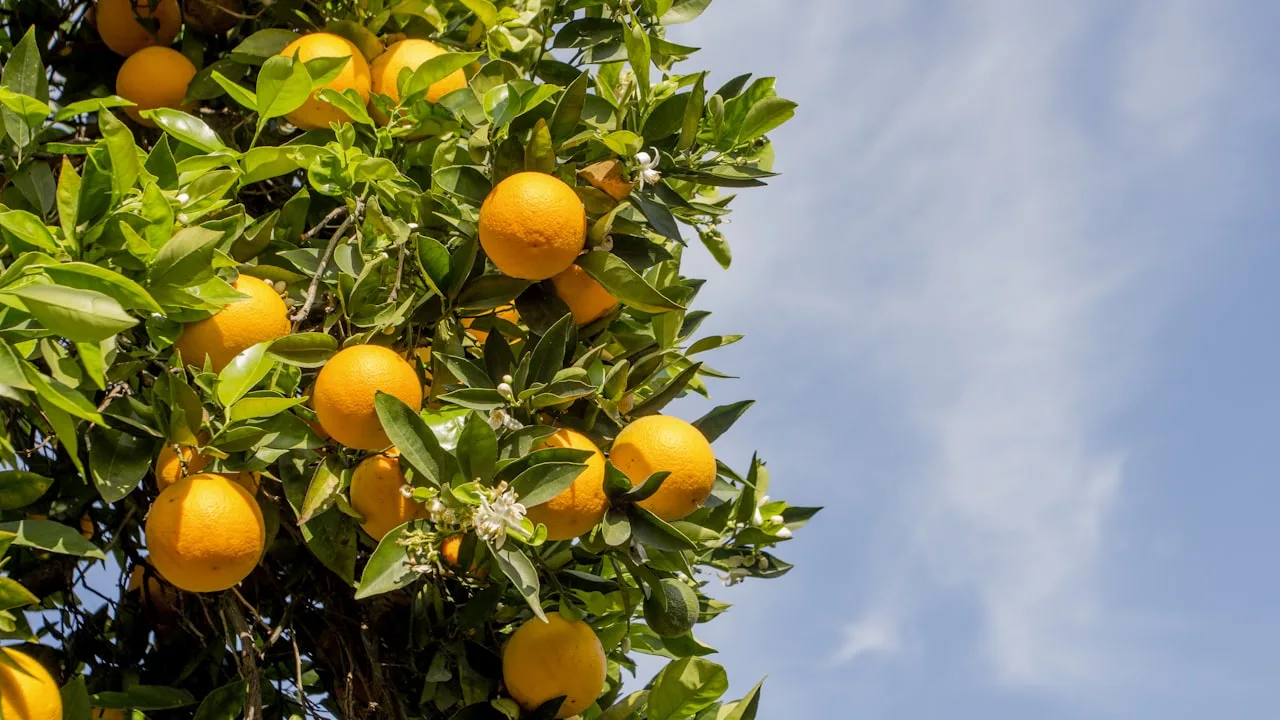
There are oranges, and then there are oranges.
One is the sort you buy because you know you ought to eat something sensible before lunch. The other is the sort that stops you halfway through peeling it. The oils hit the air; something sharp and floral rises out of the skin, and for a moment the room belongs entirely to that fruit.
Malta, when it is in the mood, still grows that second kind.
I should say this early, before anyone gets too excited by the title. The love letter was not written by a pope. Not at the time, anyway. In the 1630s Fabio Chigi was in Malta as inquisitor and apostolic delegate, years before he became Pope Alexander VII in 1655. Still, he was taken enough with Maltese oranges to plant them in the garden of the Inquisitor’s Palace in Birgu and to mention his fondness for an orange drink while writing about his diet and habits. For a man with the machinery of the Counter Reformation whirring all around him, that feels wonderfully human.
And he was not admiring some passing novelty. A good orange had clearly lodged itself in his memory, and perhaps in his affections too. Quite right.
By then Malta already knew what it was doing with citrus. The story generally leads back to the Arab period, when irrigation methods improved and the islands became far more capable of supporting orchards and gardens. In a place as dry, stubborn and sun bleached as Malta, that is no small thing. Nothing lush happens here by accident. If something delicious grows properly, it is because someone, somewhere, has understood the land and persuaded it into cooperation.
That alone tells you something. Malta has always had to work for its pleasures.
Talk long enough to anyone who cares about old gardens and old fruit, and sooner or later the conversation wanders towards Attard, Balzan and Lija. The Three Villages. Sheltered, cultivated, long admired, and for generations associated with the island’s finer oranges.
I am not going to pretend this is entirely down to some mystical patch of enchanted soil handed down by saints and horticultural philosophers. Still, certain places acquire a reputation for a reason, and these villages did not earn theirs by idling about.
The orange most often wrapped up in all this is the Maltese Sanguine, a semi-blood orange whose exact origin is a little hazy, though Malta is one of the likelier candidates. That seems fitting somehow. Malta is full of things that are obvious once felt but harder to pin down neatly on paper.
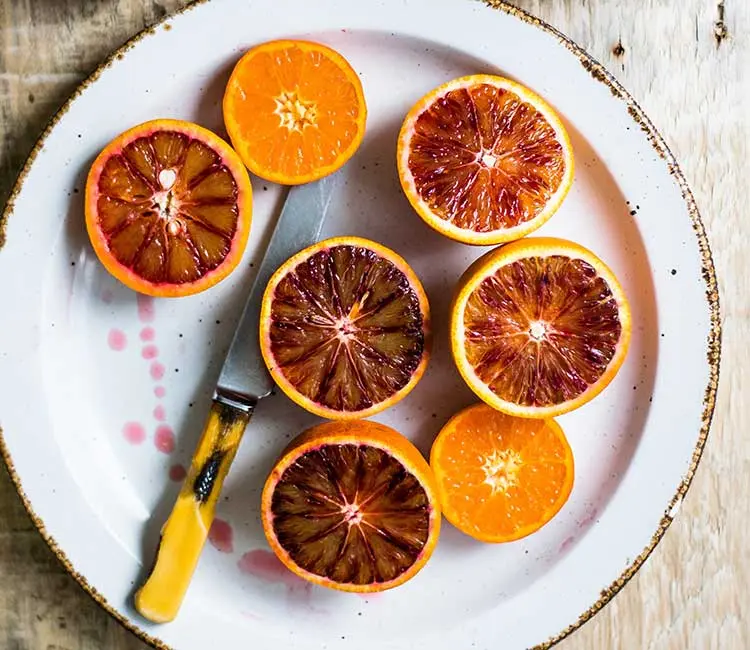
It is not an attention-seeking fruit, at least not externally. The rind is usually more orange than red, sometimes with only the faintest blush, as though it is trying to keep its secrets to itself. But slice it open and there it is. Deeper colour in the flesh, fine veins of pigment, and all the promise where it matters. Tender, almost without seeds, very juicy, and possessed of a flavour that manages to be rich and bright at the same time.
Serious citrus people have spoken of it with the sort of precision usually reserved for wine, and in France it acquired the glorious nickname ‘the Queen of Oranges’. A fruit with a title. Very Maltese, really.
By the eighteenth century Malta’s oranges had become objects of genuine prestige. Not just pleasant local produce, but fruit talked about, sought after, packed carefully and sent abroad. Patrick Brydone, writing of his travels, thought the Maltese orange the finest in the world. French royalty were keen enough on them to secure their own supply. Cooks began naming them in recipes. Sauce Maltaise carried the island’s citrus into the language of French cooking, which is not a bad legacy for a fruit grown on a small limestone rock in the middle of the Mediterranean.
Like most good things, Malta did not entirely keep it to itself. Varieties related to the Maltaise Sanguine turned up elsewhere around the Mediterranean and beyond, particularly in North Africa. Tunisia now grows it on a far more commercial scale than Malta does. Which is both understandable and faintly irritating. Malta seems to have given the world one of its finest oranges, watched everybody else appreciate it properly, and then wandered off to argue about something else.
Also quite Maltese, if we are being honest.
These days you are unlikely to find grand orange merchants speaking in hushed tones at the harbour or aristocrats fretting over their yearly citrus supply, but the fruit still turns up. In gardens. In markets. In the hands of people who know exactly what they have and do not need to make a song and dance about it.
Blood oranges generally have a decent run through the cooler months, but the Maltaise Sanguine itself is at its best in the narrower window of late January into February. It does not improve by hanging about once ripe. It wants picking up. It wants to eat. It wants very little ceremony, which is often the mark of the truly superior ingredient.
So this is not really a history lesson, not quite. It is more of a nudge.
Because somewhere in a village market, or behind a garden wall, or in the hands of someone who still knows what they are looking at, there is a fruit that once made a future pope write about it, sent French aristocrats into a mild state of longing, and carried Malta’s name far beyond the island.
You could call that a legacy.
Or, better still, you could peel one and see what all the fuss was about.

At Med.kitchen, our passion lies in crafting exceptional culinary experiences through our online platform. We specialise in sharing a wealth of knowledge via articles, recipes, courses, and online mentoring, aiming to inspire both novice and seasoned chefs alike. Our focus has shifted from private dining to being an online source of gastronomic inspiration, allowing you to explore and refine your culinary skills from the comfort of your home..