
There is a particular kind of cooking that does not require skill so much as patience. It asks nothing of you in the moment except the discipline to leave things alone. Mediterranean peasant cuisine, in all its regional variations, is built on exactly this principle. And yet we keep misreading it, treating it as simple food when it is actually strategic food, the product of centuries of people making intelligent decisions under serious constraint.
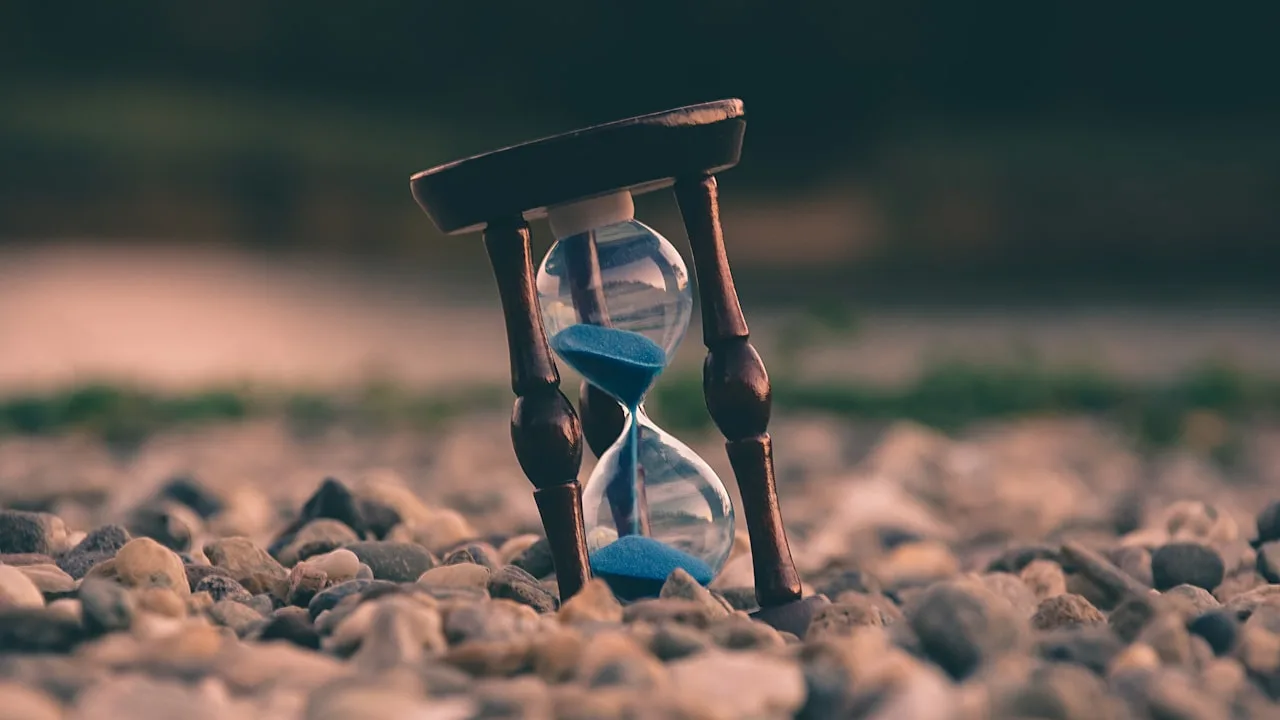
The secret ingredient was never olive oil, or garlic, or even the sun-warmed tomatoes we tend to romanticise. It was time. Specifically, long, unhurried, low-heat time applied to ingredients that nobody else wanted.
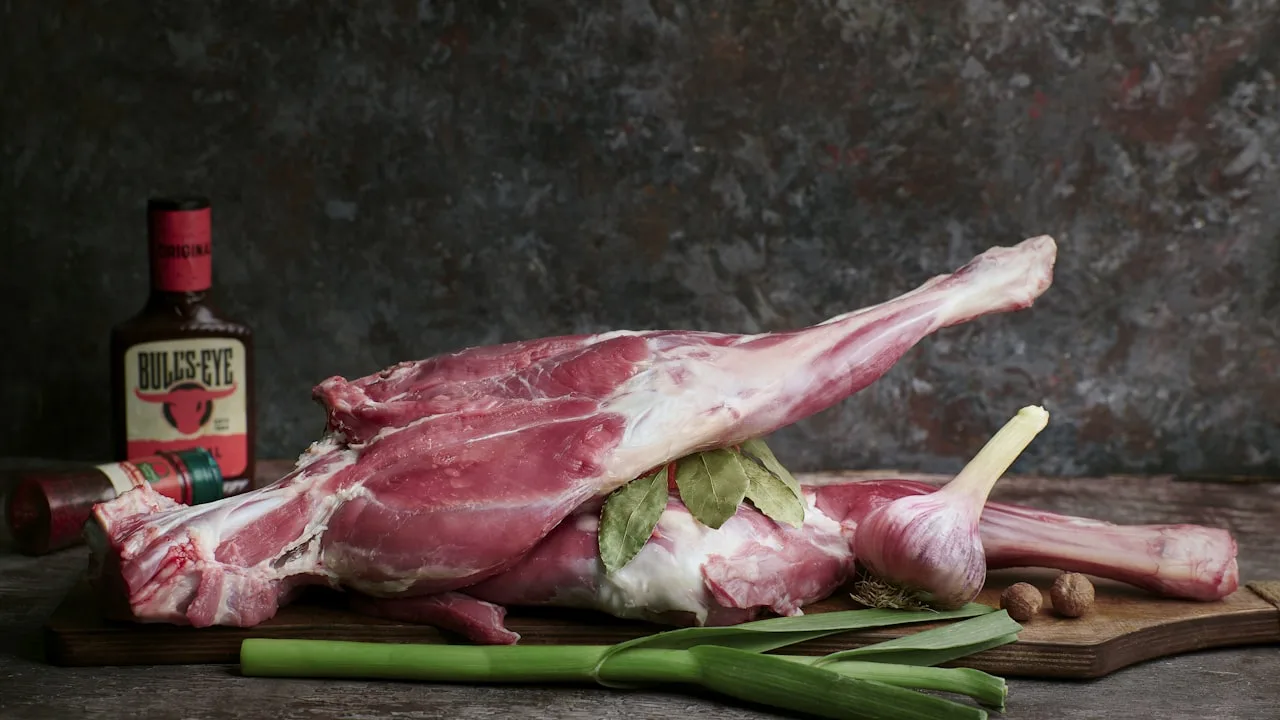
Let us be honest about what we are dealing with here. lamb shanks, oxtail, pork belly, dried pulses, offal, salt cod. These were not aspirational ingredients. They were what remained after the butcher, the merchant, and the landowner had taken their share. The peasant cook received what was left, and what was left was tough, bony, fatty, or in some cases technically not meat at all in any conventional sense.
Connective tissue does not soften with high heat. It seizes, toughens, and becomes unpleasant. But apply gentle, sustained warmth over several hours and something rather extraordinary happens. Collagen breaks down into gelatin, fat renders into something silky rather than greasy, and tough muscle fibres finally relent. The science is well-established. What is less often acknowledged is that this was not discovered in a culinary school. It was discovered by people who could not afford to waste food and had a fire burning anyway.
The braise, the slow simmer, the daube, the tagine. These are all expressions of the same fundamental insight: that time is a resource you can substitute for money. If you cannot afford the tenderloin, you can afford the hours.
Here is where the logic becomes even more interesting. Fuel was expensive and scarce in most pre-industrial Mediterranean households. Wood, charcoal, dried dung, whatever was available, it had to be managed carefully. So the myth of the peasant simply throwing a pot on a roaring fire and walking away is not quite right.
The real technique was more considered. You built your fire, brought the pot to temperature, and then reduced the heat to the lowest sustainable point. In some traditions, particularly in North Africa and the Levant, the pot was buried in embers or placed in a communal bread oven after the bread had been baked, using residual heat that would otherwise go to waste. This is the origin of dishes like hamin in Jewish Sephardic cooking, or the slow-cooked bean dishes of rural Andalusia. The oven was cooling anyway. Why not use it?
There is a quiet efficiency in this that I find genuinely admirable. Not a drop of heat was squandered. Every BTU was accounted for. These cooks were operating with a systems-level awareness of energy and time that most modern kitchens, with their instant-on gas rings and digital timers, have completely abandoned.
Beyond the structural transformation of proteins and fats, long cooking does something to flavour that fast cooking simply cannot replicate. As liquids reduce gradually, they concentrate. As aromatics steep slowly in fat and stock, they lose their sharpness and integrate. Garlic that would be pungent and aggressive after five minutes becomes mellow and almost sweet after two hours. Onions that start sharp end up as something closer to a condiment, dissolved into the background of the dish.
The Provençal daube is a useful example. Beef, olives, orange peel, red wine, herbs. None of these ingredients are particularly subtle on their own. But cooked together at a low temperature for three to four hours, they stop announcing themselves individually and start behaving as a single, coherent thing. The dish has a roundness that is almost impossible to achieve any other way. You cannot shortcut it with a pressure cooker without losing something, though I accept that is a minority opinion and am prepared to defend it at length.
There is also the matter of the fond, the layer of caramelised proteins and sugars that develop on the bottom of a properly made braise. This is not an accident or a mistake. It is a flavour deposit that dissolves back into the liquid over time, adding depth that has no precise equivalent in any spice rack.
What strikes me most about Mediterranean peasant cooking is that it required a cultural architecture to support it. Someone had to be home. Someone had to check the pot. The social structure of the traditional Mediterranean household, whatever its limitations in other respects, allowed for this kind of attentive, all-day cooking in a way that a twelve-hour shift in a factory simply does not.
This is not a romanticisation of pre-industrial life. It was hard, often desperately so. But the cooking that emerged from it was not accidental. It was the result of accumulated knowledge, passed down through practice rather than written recipes, refined across generations by people who understood their ingredients and their constraints intimately.
When we talk about “traditional” food now, we often mean something frozen at a particular historical moment, a snapshot. But these traditions were living systems, constantly adjusting to available fuel, available ingredients, available time. The specific technique mattered less than the underlying principle: use what you have, waste nothing, and let time do the work that money cannot.
The modern kitchen has largely optimised for speed. This is understandable. Time is genuinely scarce for most people in a way it was not, or not in the same way, for a household organised around domestic labour. But the trade-off has been significant, and I am not sure we have fully acknowledged it.
We buy expensive cuts because they cook quickly. We rely on sauces from jars because making them from scratch takes longer than we have. We end up spending more money to save time, which is precisely the inverse of the peasant logic. And the results, while often perfectly acceptable, rarely have the depth or the soul of something that has been cooking since mid-morning.
The slow cooker and the weekend braise are partial responses to this. They acknowledge that something has been lost and try to reclaim it within the constraints of contemporary life. They are imperfect solutions, but they are honest ones.
Mediterranean peasant cooking asks us to reconsider what “value” means in a kitchen context. We have been trained to associate value with quality of raw ingredients, with premium cuts, with expensive oils and imported spices. But the peasant tradition suggests a different equation: value is created through process, through the intelligent application of time and technique to whatever you happen to have.
A lamb shank that costs a fraction of a rack of lamb becomes, after four hours in wine and aromatics, something genuinely extraordinary. Dried chickpeas, soaked overnight and simmered slowly with a ham hock and some wilted greens, produce a dish with a complexity that no quick-assembly salad can match. The ingredient is not the point. The process is the point.
This is perhaps the most enduring lesson from a tradition that developed under genuine scarcity: the most generous thing you can add to a pot is your attention over time. Everything else follows from that. And the question worth sitting with is whether, given what we now know about the results, we have been undervaluing that particular resource all along.

At Med.kitchen, our passion lies in crafting exceptional culinary experiences through our online platform. We specialise in sharing a wealth of knowledge via articles, recipes, courses, and online mentoring, aiming to inspire both novice and seasoned chefs alike. Our focus has shifted from private dining to being an online source of gastronomic inspiration, allowing you to explore and refine your culinary skills from the comfort of your home..