
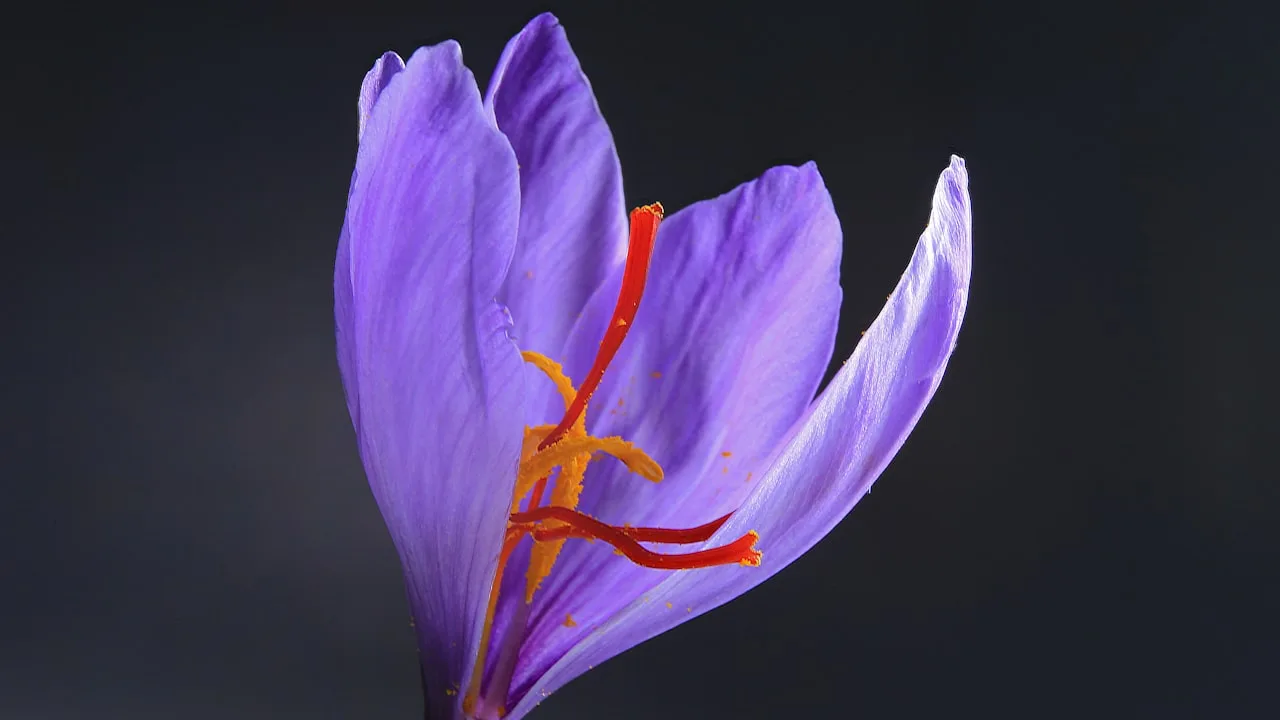
Saffron is the most expensive spice in the world by weight, and yet somehow it ends up being used carelessly in kitchens everywhere. A generous pinch here, a whole sachet there, stirred straight into a hot pan without a second thought. The result is usually a dish that tastes vaguely medicinal or overwhelmingly floral, and people assume they just don’t like saffron. Often, they haven’t actually tasted it properly yet.
There’s a lot of received wisdom around saffron that doesn’t hold up under scrutiny. Recipe writers inflate quantities. Supermarket sachets are sized for commercial convenience, not culinary accuracy. And the single most important step in using saffron well, blooming it, gets either skipped entirely or done wrong. If you’ve ever wondered why your paella lacked depth or your risotto tasted flat despite using the “correct” amount, this is worth a careful read.
Blooming is the process of steeping saffron threads in a warm liquid before adding them to a dish. It sounds simple, but the details matter enormously. The goal is to draw out crocin and safranal, the compounds responsible for saffron’s colour and aroma respectively. Heat accelerates this, but too much heat destroys the more delicate aromatic compounds before they’ve had a chance to leave the threads.
The ideal liquid temperature sits somewhere between 60 and 80 degrees Celsius. Think of water that’s just off the boil and has had a minute to cool slightly, or warm stock that would be comfortable to hold your finger in briefly but no longer. Boiling water scalds the threads and drives off the volatile aromatics you’re trying to capture. Cold water works eventually, but takes far too long and produces a weaker, less vivid result.
The threads themselves benefit from a light crush before blooming. You don’t need a mortar and pestle. Simply rub the threads gently between your fingertips for a few seconds before dropping them into the liquid. This breaks the cellular structure slightly and allows the liquid to penetrate more efficiently. The difference in colour and intensity compared to uncrushed threads steeped in boiling water is genuinely striking once you’ve seen it side by side.
Fifteen to twenty minutes is the practical minimum. Thirty minutes is better. Some cooks steep saffron in warm water for several hours, or even overnight in a cool spot, which produces an extraordinarily deep, complex extract. For most weeknight cooking, twenty minutes in warm water or warm stock will give you a result that far exceeds anything you’d get from adding threads directly to a pan.
Water is the safest and most neutral blooming medium. Stock works well if you’re cooking something savoury and want to layer the flavour early. A small amount of warm whole milk is excellent for rice pudding or anything creamy. What you want to avoid is blooming in alcohol or acidic liquids as a first step, since both can alter the extraction process and suppress the colour. Save the wine for later in the recipe; give the saffron its own moment in something gentler first.
The quantity of liquid matters less than you might think. Two tablespoons of warm water is enough for a portion of risotto. Four or five tablespoons for a large paella. The idea is concentration, not dilution. You add the entire bloomed mixture, liquid and all, to the dish, so you’re not losing anything.
This is where most recipes go wrong, and it’s worth being direct about it. A standard saffron sachet in the UK typically contains 0.4 to 0.5 grams. Many recipes call for an entire sachet for four servings. That is, in most cases, too much. It produces a harsh, slightly bitter dish with an almost chemical floral note that drowns out everything else.
A more considered quantity for four servings is somewhere between 15 and 20 threads, which is closer to 0.1 grams. For six to eight servings of paella or a large biryani, you might work up to 25 to 30 threads. The flavour should be present but not domineering. Saffron at the right level creates a background warmth and a deep golden colour; it should enhance the dish, not announce itself loudly over everything else on the plate.
The reason recipes overspecify is partly commercial and partly cautious. Spice brands benefit when customers use more. Recipe writers, aware that home cooks might use old or poor-quality saffron, specify higher quantities as a hedge against weak flavour. The problem is that it becomes self-reinforcing. People follow the inflated quantities, find the result unpleasant, and conclude that saffron is an overrated ingredient. It isn’t. The method is just wrong.
If you’re buying saffron from a large supermarket chain in a small glass jar, there’s a reasonable chance it’s been sitting in that jar for longer than it should have. Saffron loses potency fairly quickly once opened, and even sealed jars degrade over time if stored in warm or bright conditions. The deep red threads you see in a fresh, high-quality batch are very different from the pale orange threads in an old supermarket jar.
Spanish saffron and Persian saffron are the two most commonly available varieties in Britain. Persian saffron from the Khorasan region is generally considered superior in terms of colour and aroma intensity. Spanish saffron, particularly the La Mancha designation, is excellent but often slightly milder. If you can source directly from a reputable importer or a specialist grocer, you’ll use less and get more, which makes even premium saffron cost-effective in the long run.
Store saffron in a sealed glass container, away from light and heat. A kitchen cupboard away from the hob is fine. The fridge introduces moisture risk, so it’s generally not recommended unless you’re in an unusually warm climate. Used within six to twelve months of purchase, high-quality saffron should retain enough potency that you never need to exceed twenty threads for most home recipes.
The method, reduced to its essentials, is this: take 15 to 20 threads, crush them lightly between your fingers, steep them in a few tablespoons of warm (not boiling) water or stock for at least twenty minutes, then add the entire bloomed mixture to your dish at an appropriate point in the cooking process. That last detail matters too. Adding saffron very early in a long braise can diminish its aroma. For risotto or paella, adding the bloomed liquid about halfway through gives the colour time to develop without the aromatics cooking off entirely.
This is not a complicated technique. It takes about two minutes of active effort and twenty minutes of waiting. The improvement in both colour and flavour compared to the standard “add a sachet and stir” approach is significant enough that once you’ve done it this way, you won’t go back. The dish will be a noticeably richer gold rather than a muddy yellow, and the flavour will be aromatic and layered rather than flat or medicinal.
Saffron’s reputation as a difficult or unpredictable ingredient is largely the result of bad instructions compounding over time. The spice itself is forgiving once you understand what it actually needs: gentle heat for extraction, time to bloom properly, and restraint in quantity. Use less, treat it more carefully, and the results will make you wonder why the conventional approach persisted as long as it did.
There’s a broader lesson buried in this, too. When an ingredient with a centuries-long culinary history seems to disappoint repeatedly, the problem is rarely the ingredient. It’s worth asking whose interests the prevailing instructions actually serve before assuming the conventional method is correct.

At Med.kitchen, our passion lies in crafting exceptional culinary experiences through our online platform. We specialise in sharing a wealth of knowledge via articles, recipes, courses, and online mentoring, aiming to inspire both novice and seasoned chefs alike. Our focus has shifted from private dining to being an online source of gastronomic inspiration, allowing you to explore and refine your culinary skills from the comfort of your home..