
There is a version of history where pizza was invented in Naples, perfected by a patriotic baker in 1889, and named after a queen. It is a clean story. Satisfying, even. And like most clean stories about food, it is almost entirely wrong.
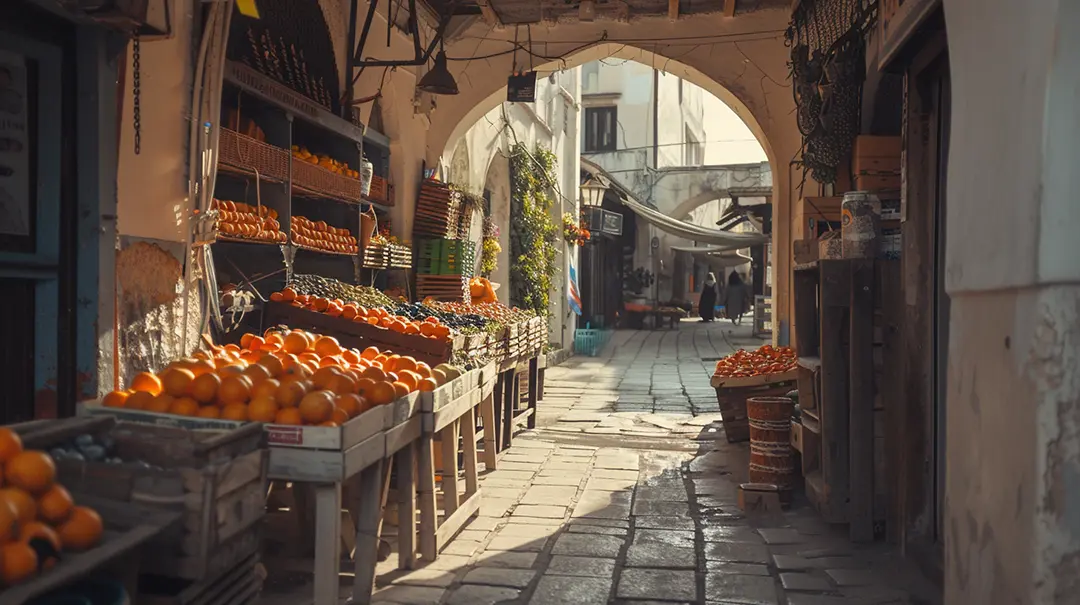
The real history of pizza is messier, older, and considerably more interesting. It stretches back through centuries of trade, conquest, and cultural collision, long before Italy existed as a nation-state, long before the tomato had even arrived in Europe. What ended up on a Neapolitan street corner in the eighteenth century was the final assembly of ingredients, techniques, and ideas that had been circulating around the Mediterranean for a thousand years. Naples gets the credit. The story belongs to a much wider world.
Start with the bread itself. Flatbreads baked directly on stone or in clay ovens were commonplace across the ancient Mediterranean. The Greeks had plakous, a flatbread topped with olive oil, cheese, and herbs. Roman soldiers ate panis focacius, a hearth bread whose name eventually gave us focaccia. None of this is pizza as we know it, but it is the structural logic from which pizza would eventually emerge: thin dough, high heat, simple toppings.
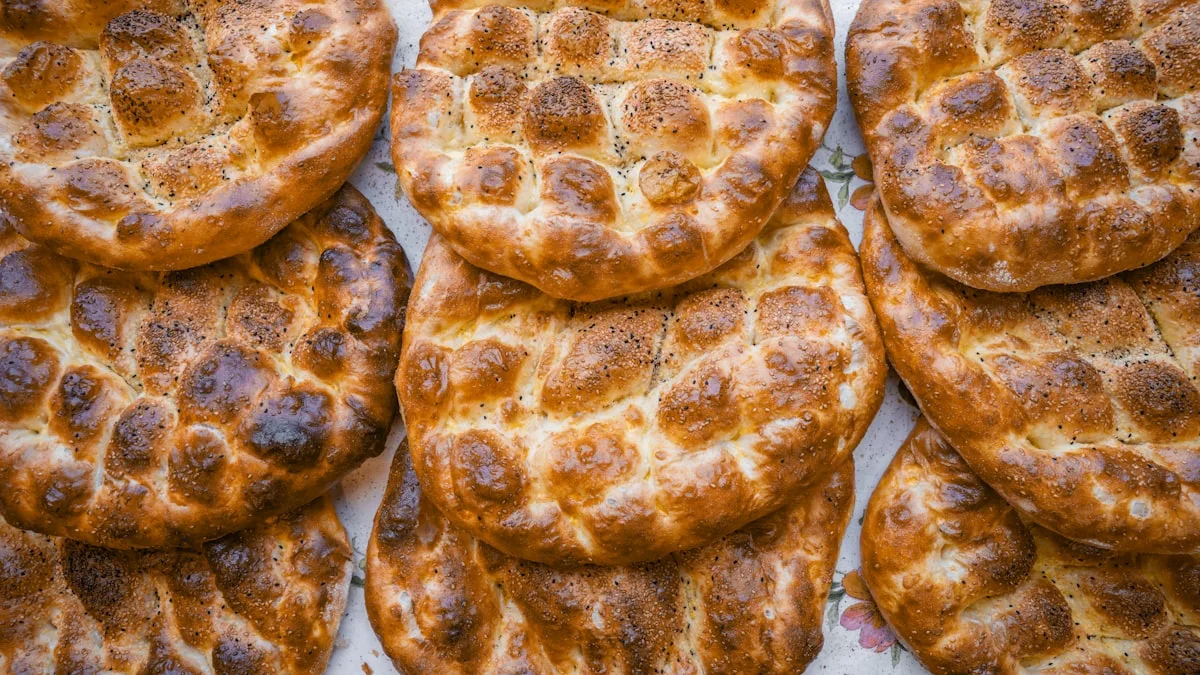
What the Byzantines contributed was more specific. The Eastern Roman Empire maintained a strong presence in southern Italy for centuries, and their baking traditions ran deep in the region. Byzantine flatbreads were enriched with oil, seasoned deliberately, and often topped with a mixture of soft cheese and aromatics. They were practical foods, made for feeding people efficiently, and they were baked at high temperatures in communal ovens. The technique was not ceremonial. It was everyday.
This matters because pizza, at its core, has always been food for people who do not have time to fuss. Understanding that context explains a great deal about why it evolved the way it did.
Arab traders and settlers brought something the Byzantine tradition largely lacked: a sophisticated culture of topping bread with complex flavour combinations. Dried fruits, spiced meats, nuts, honey, and herbs were all used together in ways that would have seemed exotic to a Roman baker. More practically, Arab culinary culture normalised the idea of using bread as a base rather than an accompaniment. The bread was the plate.
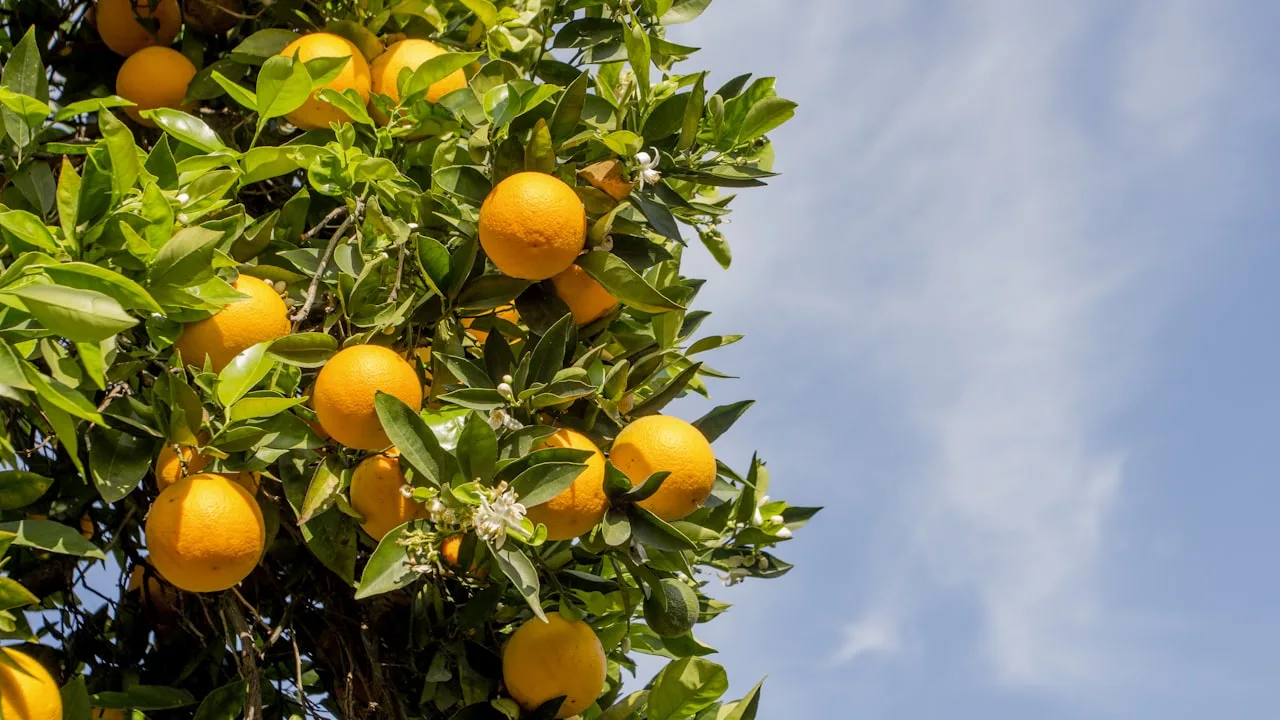
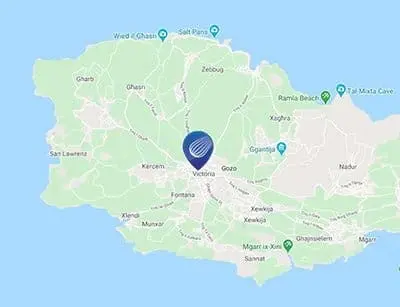
Arab influence in Sicily specifically was not marginal. Between the ninth and eleventh centuries, Arab rule over the island was substantial and transformative. They introduced new agricultural systems, new crops, and new flavour profiles that permanently altered Sicilian cooking. Pistachio, sugar cane, citrus, saffron, and durum wheat cultivation all have roots in this period. The concept of seasoning flatbread generously with savoury toppings, of treating bread as a canvas rather than a vehicle, gained real traction here.
There is a word worth pausing on: sfincione. This thick Sicilian flatbread, topped with tomato, onion, and anchovies, is often treated as a regional curiosity rather than a historical document. But its structure and flavour logic reflect Arab culinary influence more directly than anything you will find on a Neapolitan menu. It is older, broader, and arguably more honest about where this food actually comes from.
Here is where things get genuinely fascinating. When the Normans took Sicily in the eleventh century, they did not dismantle what the Arabs had built. They absorbed it. Norman Sicily became one of the most culturally sophisticated courts in medieval Europe, precisely because it was a synthesis. Arab administrators stayed on. Byzantine artisans continued their work. Norman rulers ate food that reflected all of it.
The kitchens of Norman Sicily were places where Byzantine baking technique, Arab spicing, and northern European appetite for meat and cheese converged. Flatbreads were topped with combinations that would look familiar today. Not pizza in the modern sense, but something functionally related. The architecture was there: thin base, high heat, layered toppings, eaten by hand.
What the Normans also did was create the conditions for this food culture to spread northward through southern Italy. As Norman political influence extended into the mainland, culinary habits followed. This is not a linear transmission, more a slow diffusion through trade routes, markets, and the movement of people. But it seeded the ground in Campania and the wider south for what would eventually emerge in Naples.
The tomato arrived in Europe from the Americas in the sixteenth century, and Europeans were suspicious of it for a surprisingly long time. It was widely believed to be poisonous, partly because it belongs to the nightshade family, and partly because wealthy diners used pewter plates that reacted badly with the tomato’s acidity, occasionally making people genuinely ill. The poor, who ate from wooden boards, noticed no such problem.
By the late seventeenth and early eighteenth centuries, Neapolitan street vendors had started using tomato sauce on their flatbreads. This was food for the lazzaroni, the urban poor of Naples, people who needed something cheap, filling, and fast. The tomato was ideal: affordable, flavourful, and plentiful. The combination of tomato, oil, and salt on a baked flatbread was not a culinary statement. It was a practical solution to hunger.
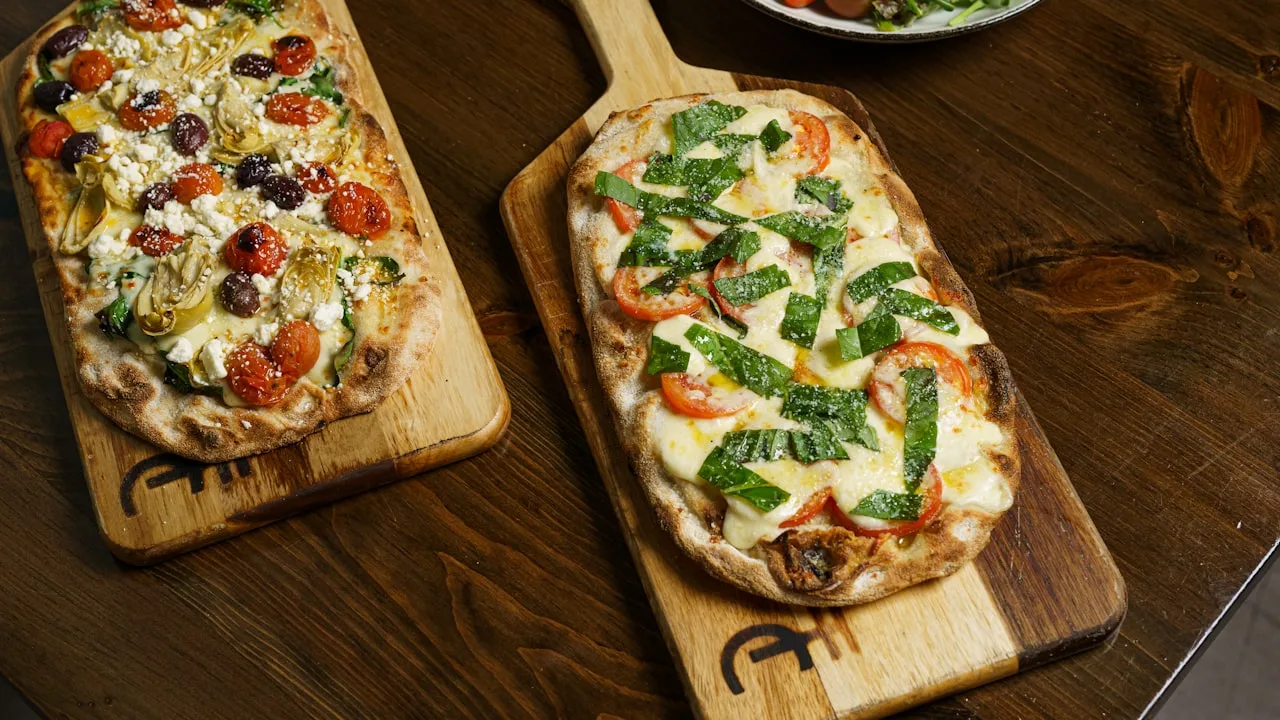
The famous story of Raffaele Esposito making a pizza for Queen Margherita in 1889, using tomato, mozzarella, and basil to represent the Italian flag, is almost certainly embellished. Letters purporting to confirm the royal approval are of dubious authenticity. More to the point, the dish he was working with already existed. He may have named a variation, but he did not invent anything. The food was already there, already loved, already centuries in the making.
Naples codified it. That is the honest answer. In the nineteenth and twentieth centuries, Neapolitan immigrants carried their version of this food to the United States, Argentina, and beyond. The specific combination of soft wheat dough, San Marzano tomatoes, and fior di latte became the template the world recognised. Italian unification also played a role, with Neapolitan food culture elevated as a marker of national identity in ways that Sicilian or Calabrian food were not.
The 2009 UNESCO recognition of Neapolitan pizza-making as an Intangible Cultural Heritage of Humanity is genuine and deserved. The craft is real, the tradition is deep, and the quality at its best is remarkable. But heritage recognition is not the same as origin certification. Naples refined and popularised a dish that had been assembled, over centuries, from Byzantine, Arab, and Norman components across a much wider Mediterranean history.
Food rarely belongs to one place. The dishes we treat as national emblems are almost always the result of sustained cultural exchange, trade, migration, and the slow accumulation of borrowed ideas. Pizza is an unusually clear example of this, but it is not unusual in kind. Pasta has Chinese and Arab antecedents. Fish and chips involved Belgian frying technique and Jewish immigrant cooking. Chicken tikka masala may have been invented in Glasgow.
What Naples gave pizza was consistency, passion, and a global diaspora willing to carry it everywhere. What the Byzantine empire, Arab Sicily, and Norman southern Italy gave it was everything else: the dough logic, the topping philosophy, the high-heat baking culture, and the idea that bread could be a meal in itself rather than a side note to one.
The next time you eat a margherita in a dimly lit pizzeria and someone tells you it is a purely Neapolitan invention, you might think about how much of the Mediterranean is quietly present in that single slice. History has a habit of folding itself into things we think we already understand. Pizza, it turns out, is no exception.

At Med.kitchen, our passion lies in crafting exceptional culinary experiences through our online platform. We specialise in sharing a wealth of knowledge via articles, recipes, courses, and online mentoring, aiming to inspire both novice and seasoned chefs alike. Our focus has shifted from private dining to being an online source of gastronomic inspiration, allowing you to explore and refine your culinary skills from the comfort of your home..