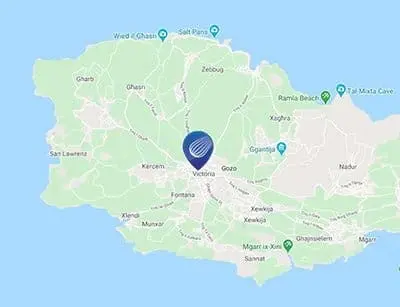

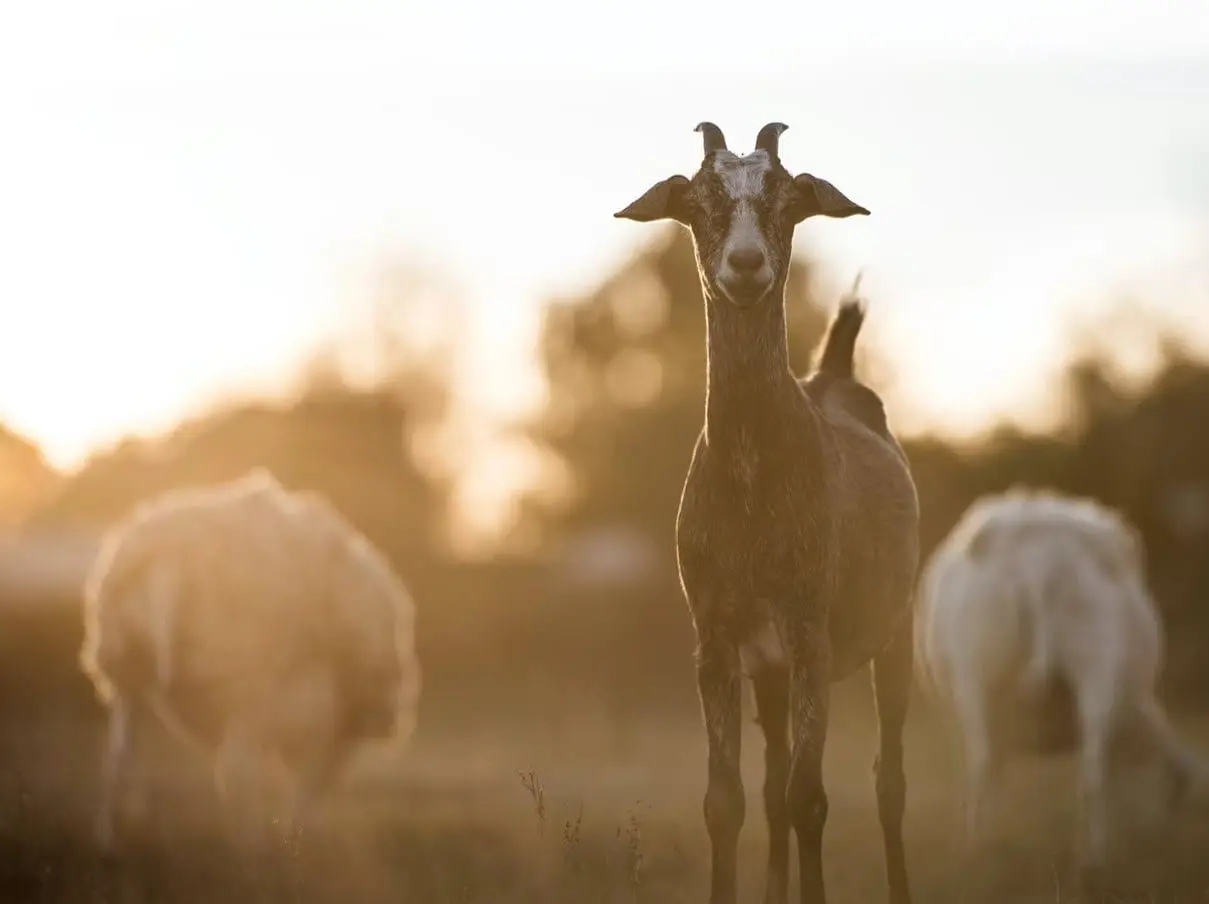
Somewhere in a small dairy in Gozo, someone is making cheese the way it has always been made here. Sheep’s milk, a little salt, a wooden mould, and time. The result is a ġbejna: small, white, and immediate in the way that only genuinely local food can be. It tastes of the animal, the pasture, and the particular quality of light that seems to exist only on this island. You cannot make it anywhere else and call it by that name. Not in Europe, anyway. The law says so.
That law is worth understanding, because it does considerably more than protect a name.
Three Letters and What They Mean
The European Union operates a system of geographical and traditional food protections that most people have encountered without ever quite registering. The small logos on the packaging of good olive oil, certain cheeses, and a tin of anchovies from the Cantabrian coast. They mean something specific, and the distinctions between them matter more than the labels suggest.
PDO, Protected Designation of Origin, is the strictest of the three designations. To carry it out, every stage of a product’s production must occur within a defined geographical area and must follow a specification that describes not just the ingredients but also the methods, the breeds, the soils, and, in some cases, the altitude. The link between place and product is total and legally enforceable. This is not a quality mark. It is a geographical argument made in law.
PGI, Protected Geographical Indication, is less absolute. At least one stage of production must occur in the defined area, but the raw materials may come from elsewhere. The protection is real, but the connection to place is partial, which is worth knowing when you are standing in a shop deciding how much the label is worth.
TSG, Traditional Speciality Guaranteed, operates differently again. It protects a method or recipe rather than a place. A product carrying TSG status can be made anywhere in the world, provided the maker follows the specification precisely. It is an argument about process rather than provenance, and it raises its own questions about what tradition actually means when it is detached from the soil that produced it.
Malta’s Protected Larder
Malta is a small country with a surprisingly rich register of protected products, and they are worth knowing about not simply as a point of national pride but also because the protections illuminate something genuine about Maltese food culture.
Ġbejna carries PDO status, which means the full weight of the strictest designation sits behind that small, unassuming cheese. The specification requires sheep’s milk from Malta and Gozo, produced and processed on the islands. There is a fresh version, eaten young and mild, and a cured version that has been salted and dried until it develops a firmer texture and a more concentrated flavour. There is also a peppered version, rolled in cracked black pepper during the drying process, which is the version most likely to appear on a Maltese cheeseboard alongside a glass of something cold. All three expressions are protected. The name belongs here.
Maltese olive oil carries PGI status, reflecting the genuine quality of oil pressed from the island’s ancient groves while acknowledging the realities of small-scale production. Maltese honey similarly holds PGI, which is more significant than it might appear given the distinctive character of honey produced by bees working the wild thyme, carob, and Mediterranean scrub that covers the islands. These are not generic products with a flag attached. They are the specific result of specific conditions that exist nowhere else in quite the same combination.
The Products Most People Know Without Knowing Why
Parmigiano Reggiano is probably the most recognisable PDO product in the world, and its story illustrates precisely why the system exists. Before legal protection was fully established, “parmesan” was being produced industrially across three continents, the name doing the selling while the product bore no meaningful relationship to the original. The PDO did not eliminate imitation cheese. It gave the real thing legal standing in European markets and, more importantly, it gave consumers a way to know what they were actually buying.
The cheese itself is the product of a defined area of the Po Valley, specific breeds of cow, specific feeding restrictions, a minimum ageing period, and a production process refined over seven centuries. Every wheel is examined and graded before the rind is branded. The ones that do not pass are sold without the designation. This is not bureaucracy for its own sake. It is a system designed to ensure that the name means something.
Feta offers another instructive case. Greece fought a long and eventually successful legal battle to have feta recognised as a PDO product, meaning that only cheese produced in specific regions of Greece from local sheep and goat milk can carry the name in European markets. The argument was not simply commercial. It was that feta made in Denmark from cow’s milk is a different product that happens to share a name and that allowing the name to float free of its origin does a disservice to both the original and the consumer. Several northern European countries disputed the designation vigorously. Greece won.
Roquefort, aged in the caves of Combalou near the village of the same name in southern France, carries PDO status that specifies not just the region but the particular limestone caves in which the cheese must mature. The mould that defines Roquefort, Penicillium roqueforti, occurs naturally in those caves and produces a result that cannot be fully replicated elsewhere. The PDO is in this case an acknowledgement of a geographical fact as much as a legal instrument.
The Method Without the Place
Neapolitan pizza sits in the TSG category, which places it in interesting company. The protection covers the method: the specific flour, the hand-stretching technique, the wood-fired oven at a defined temperature, and the particular way the crust should behave. A pizzeria in Tokyo or Stockholm can make a pizza napoletana, provided it follows the specification precisely. The place is irrelevant to the designation.
This raises a question that the TSG system does not quite answer. If the method can travel, what is actually being protected? The argument in favour is that the technique itself represents genuine cultural heritage worth preserving against industrial dilution. The argument against it is that separating a method from its place and its people produces something that is technically correct but somehow beside the point. A wood-fired pizza made to specification in a purpose-built restaurant chain is not quite the same thing as the same pizza made in a cramped kitchen in the Quartieri Spagnoli by someone who learned it from their mother.
The TSG cannot capture that difference. And that gap, between what the law can define and what the culture actually contains, is where the system begins to show its edges.
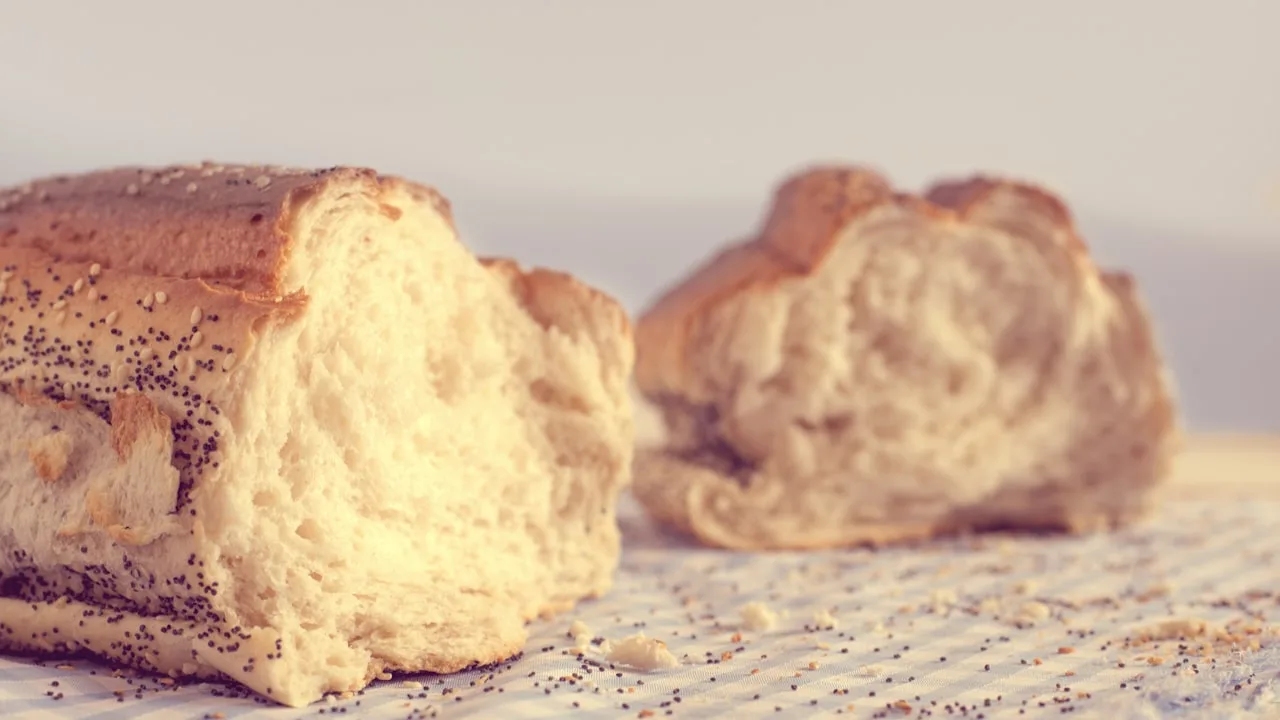
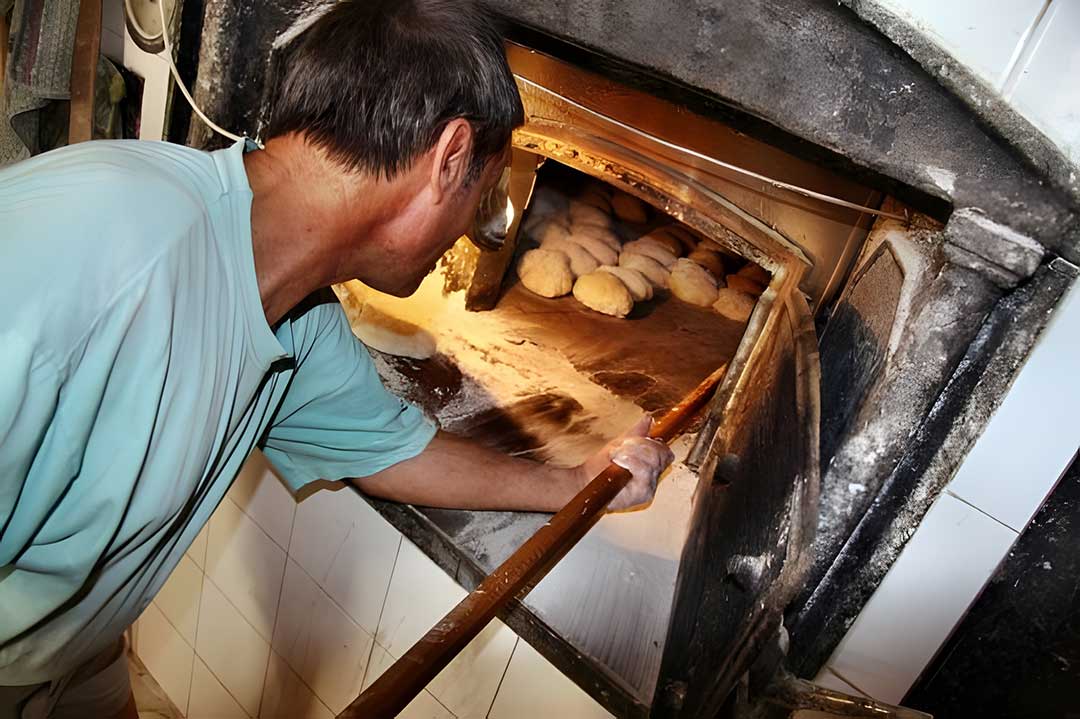
Consider the ftira. A bread that is simultaneously a roll, a sandwich, and something closer to a focaccia depending on which part of Malta you are standing in when you ask for one. A product with PGI status, a UNESCO inscription, and no consensus whatsoever on what it fundamentally is. The ftira does not sit neatly inside a specification. It never has. And that is precisely what makes it worth examining.
Because if the most rigorous food protection system in the world struggles with a small island’s most beloved bread, the question of what these labels can and cannot protect becomes considerably more interesting than the logos on the packaging suggest.

At Med.kitchen, our passion lies in crafting exceptional culinary experiences through our online platform. We specialise in sharing a wealth of knowledge via articles, recipes, courses, and online mentoring, aiming to inspire both novice and seasoned chefs alike. Our focus has shifted from private dining to being an online source of gastronomic inspiration, allowing you to explore and refine your culinary skills from the comfort of your home..