
There is a moment in every serious conversation about protected food products when the system, elegant and well-intentioned as it is, meets something it cannot quite hold. Not a loophole, not a flaw in the drafting. Something more fundamental. The point where the language of law and the reality of living food culture simply do not have enough vocabulary in common to finish the conversation.
To understand the EU’s PDO, PGI, and TSG designations and what they genuinely achieve, we looked at the system in detail in our previous piece. The protections are real, the distinctions matter, and the products they cover are worth knowing. But the system has edges. And the most honest way to find those edges is to stand in front of a Maltese bakery and ask for a ftira.
One Name, Three Different Answers
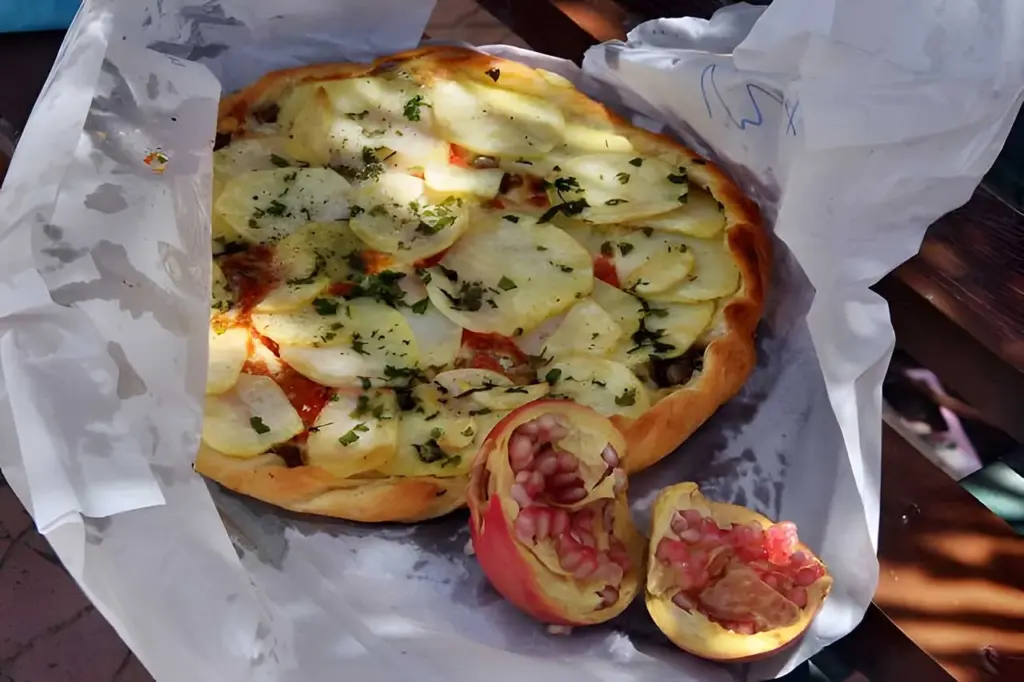
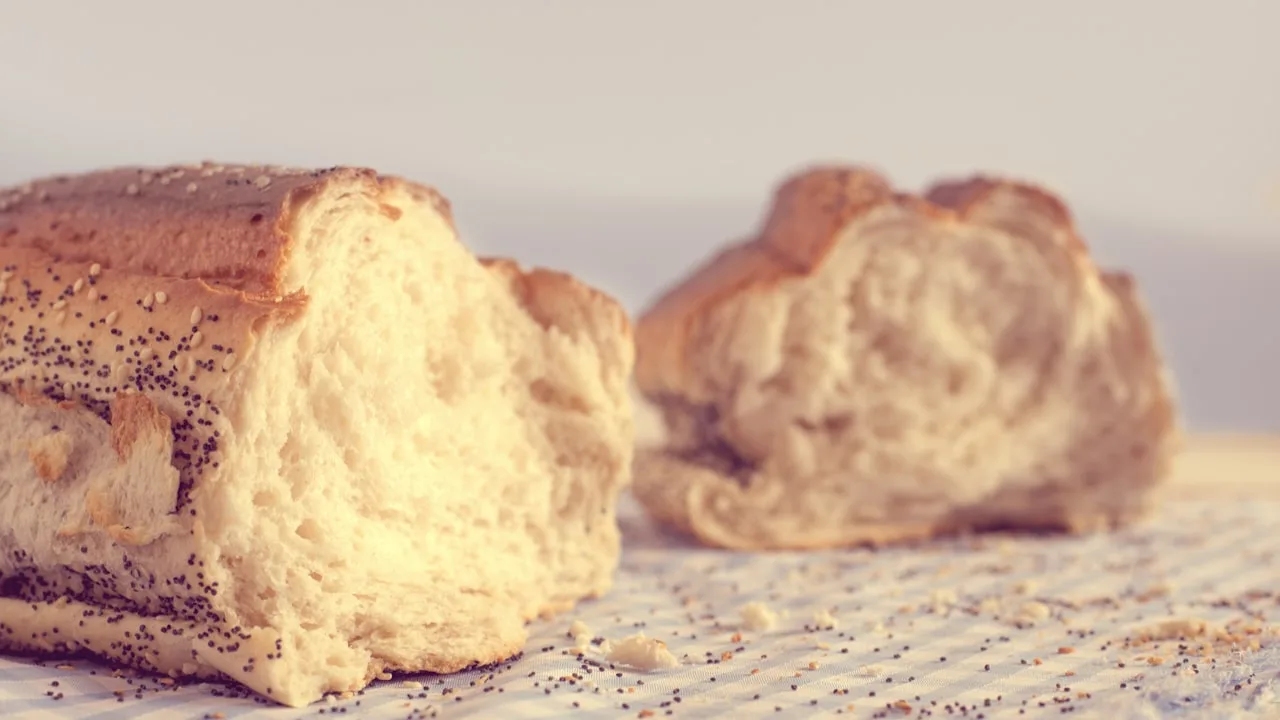
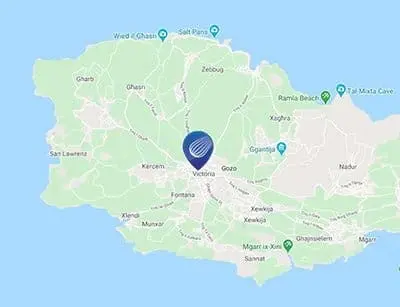
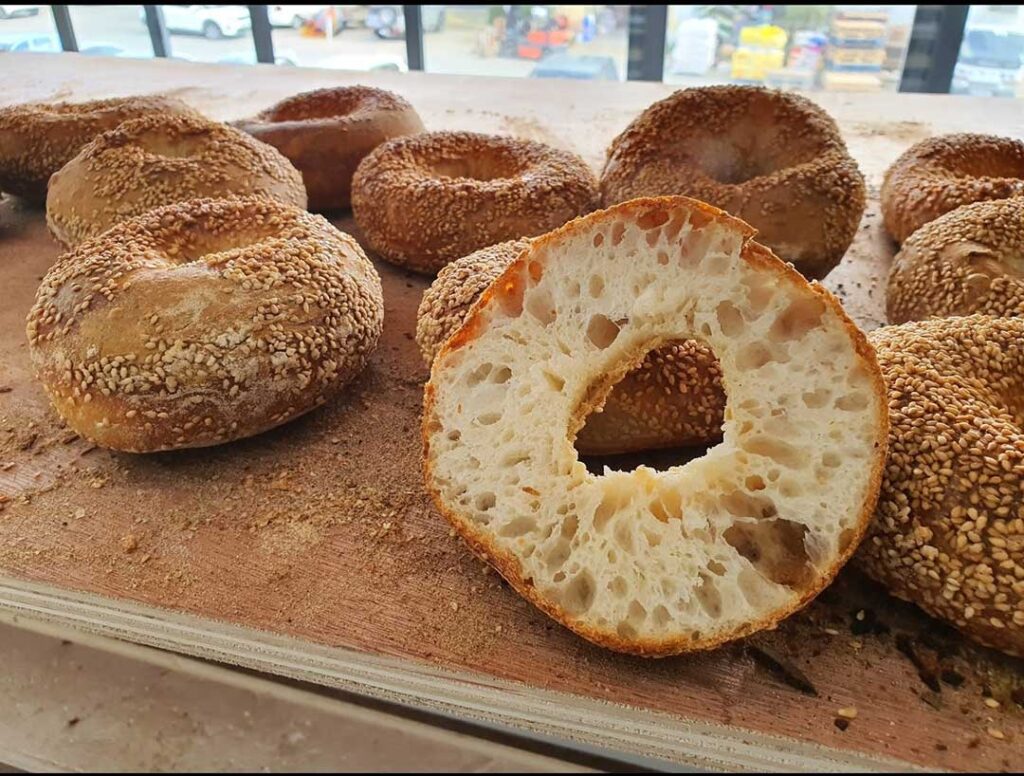
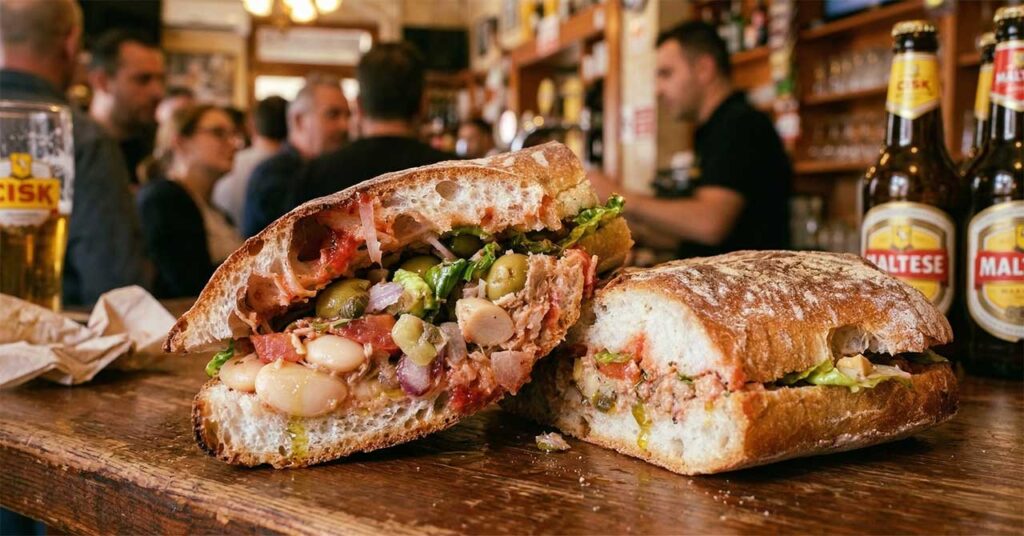
Depending on which part of Malta you are standing in, a ftira is one of three entirely different things. In some areas it is a bread roll, crusty and dense, the kind of thing you tear apart and eat with olive oil and nothing else. In others it is the vessel for a specific filled sandwich, the classic hobz biz-zejt configuration of tuna, capers, tomatoes, and olives that is as close to a national lunch as Malta has. In Gozo and parts of the south, it is something closer to a focaccia, topped with potatoes, tomatoes, and whatever the kitchen has to hand, baked until the edges char slightly and the base holds its shape just enough to be called bread rather than something else.
Ask a baker in Valletta and a baker in Victoria to describe a ftira, and you will receive two confident, entirely contradictory answers, each of them correct within their own geography. This is not confusion. It is culture. It is what happens when food evolves organically across a small, densely populated island over centuries, absorbing influences from Arab, Norman, Spanish, and British occupations while remaining stubbornly, specifically Maltese.
The EU protection system, which requires a written specification defining what a product is and how it must be made, has no natural mechanism for this kind of productive inconsistency.
What Happens When You Write the Specification
Any attempt to secure PGI-style protection for ftira would expose the same underlying tension. To register a product under the EU system, someone has to define what it is in a written specification. The specification describes a bread with a particular shape, a ring or disc form with a characteristically dense, moist crumb and a thin, crisp crust. It captures something genuine about the ftira as a bread object.
What it cannot capture is the argument. The regional variation. The Gozitan baker who has been making it differently for forty years and considers his version not a deviation but the original. The filled sandwich version that most Maltese people would point to first if you asked them what a ‘ftira’ is. The baked, topped version is what a visitor from northern Europe might encounter in a village feast and consider the most interesting of the three.
The specification freezes a moment in a tradition that has never been still. And the version that gets frozen is inevitably the version that was most legible to the process, which is not always the same as the version most alive in the culture.
This is not a criticism of the application or the outcome. It is an observation about what any specification-based system must do to function. It must choose. And choosing, in food culture, always means leaving something out.
The UNESCO Answer to the Same Problem
There is a parallel protection that approaches the ftira from an entirely different direction, and the contrast is instructive.
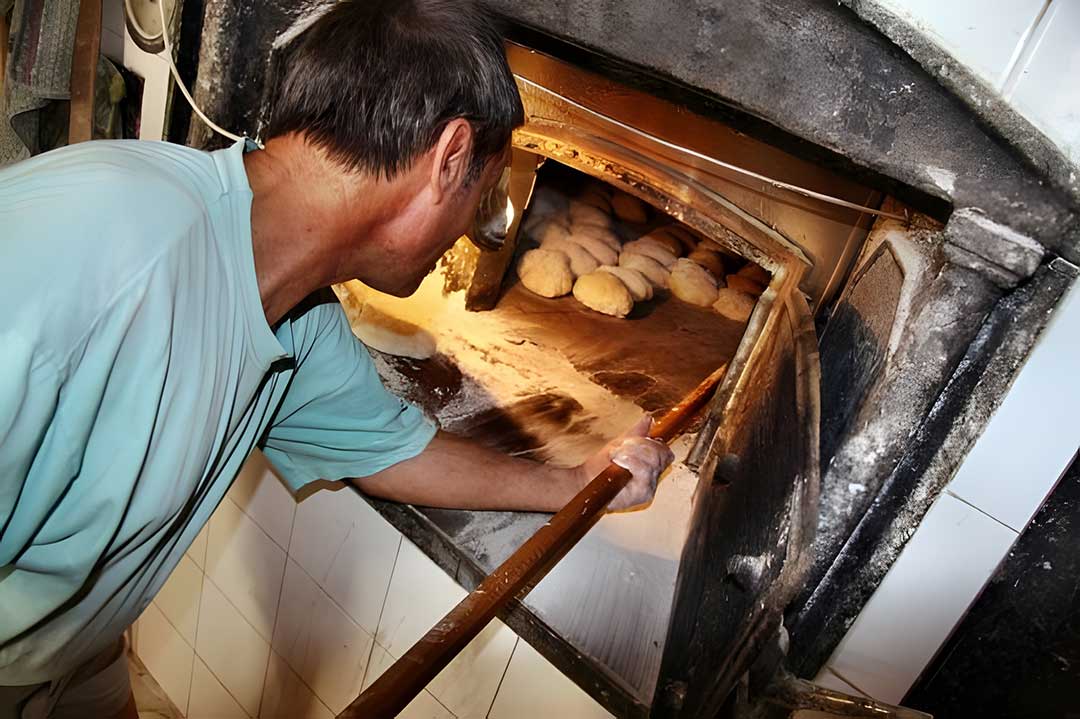
In 2020, the ftira was inscribed on UNESCO’s Representative List of the Intangible Cultural Heritage of Humanity. The inscription covers not a defined product but a living practice: the knowledge, skills, and social rituals bound up in the making and eating of ftira across Malta and Gozo. It explicitly acknowledges the regional variation. It recognises the transmission of knowledge between generations, the communal wood-fired ovens that once structured village life around the baking day, and the social function of the pastizzeria and the bakery as gathering points rather than simply retail outlets.
In the UNESCO framework, the inconsistency you cannot resolve in a PGI specification is not a problem to be managed. It is the point. The inscription is saying this tradition is worth protecting precisely because it is living, variable, and held collectively by a community rather than defined by a document.
The two protections therefore do not duplicate each other. They protect different things. An application for PGI status for the Ftira Tal-Malti has been pursued at the national level in Malta, which, if granted, would give the ftira legal standing against imitation and misuse of the name across EU member states. As of early 2025, however, the ġbejna tan-nagħaġ was confirmed as the first Maltese food product to receive formal EU geographical indication status, suggesting the ftira’s PGI registration has not yet been finalised. The UNESCO inscription protects the ftira as a practice, including everything about it that cannot be written into a specification without losing its essential character.
Together they are more complete than either is alone. But even together, there remains something they cannot reach.
The Knowledge That Lives in People
Every protected food product of any real distinction carries within it a body of knowledge that exists nowhere in writing. Not in the specification, not in the UNESCO nomination file, not in any recipe or technical document. It lives in the hands and judgement of the people who make the thing, transmitted through proximity and practice and the particular kind of attention that comes from doing something repeatedly over a long period of time.
A Roquefort affineur knows by touch and smell when a wheel is ready in a way that no temperature chart can fully describe. A ġbejna maker in Gozo knows how the curd behaves differently in summer and winter and adjusts accordingly, not because a specification tells them to but because they have been watching it long enough to understand what they are seeing. A Parmigiano Reggiano producer can tell from the sound a wheel makes when tapped whether the ageing is proceeding correctly. These are not mystical skills. They are the accumulated result of time and attention. But they cannot be protected by any legal instrument, because they cannot be written down without losing most of what makes them valuable.
When the people who carry that knowledge stop making the thing, the protection becomes a label on an empty jar. The name survives. The designation survives. The specification survives. The thing itself, in any meaningful sense, does not.
What the System Is Actually For
None of this is an argument against the EU protection framework. The PDO, PGI, and TSG designations do real work. They prevent industrial approximations from trading on names they have not earned. They give small producers in defined regions legal recourse against much larger competitors. They provide consumers with genuine information about provenance and method. In a food market that tends towards the homogenous and the convenient, they are a meaningful counterforce.
But they are a floor, not a ceiling. They preserve the conditions in which a tradition can survive. They do not preserve the tradition itself. That work belongs to the people making the food; the communities eating it; and the cultural institutions, schools, families, village feasts, and Sunday tables that keep the context alive around it.
The ftira will continue to mean different things in different parts of Malta. It will continue to be argued over, adapted, and made badly by some and extraordinarily well by others. Its PGI status will protect its name in the European marketplace. Its UNESCO inscription will acknowledge its cultural complexity. Neither will guarantee that the baker who knows how to make it properly will find someone willing to learn.
That problem has no designation. It has only the same solution it has always had: someone deciding that the knowledge is worth keeping and making the time to pass it on.

At Med.kitchen, our passion lies in crafting exceptional culinary experiences through our online platform. We specialise in sharing a wealth of knowledge via articles, recipes, courses, and online mentoring, aiming to inspire both novice and seasoned chefs alike. Our focus has shifted from private dining to being an online source of gastronomic inspiration, allowing you to explore and refine your culinary skills from the comfort of your home..