
Za’atar is one of those ingredients that gets misused in direct proportion to how fashionable it becomes. You see it sprinkled over hummus in photographs, tipped onto avocado toast in trendy cafés, occasionally dusted onto things it has no business being near. The spice blend itself is ancient, rooted in Levantine cooking, and genuinely brilliant. But brilliance requires understanding. Use it wrong and you get bitterness, dullness, or a muddy herbal note that confuses more than it contributes.
The good news is that using za’atar well is not complicated once you understand two things: when heat helps it and when heat hurts it, and why the olive oil you pair with it is not a supporting character but an equal partner. Get those two things right and everything else follows.
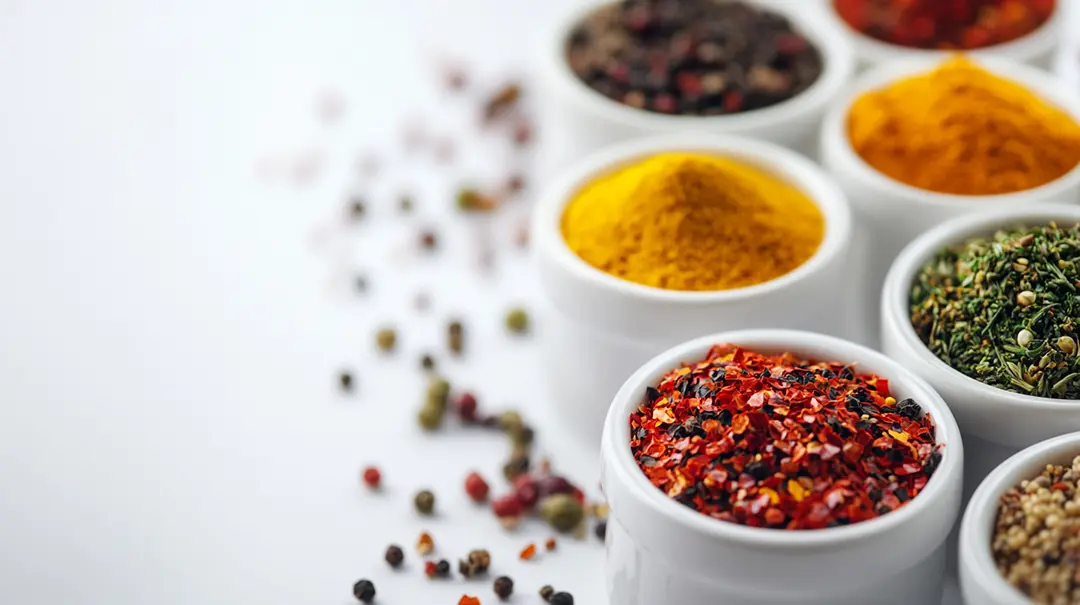
Before getting into technique, a quick clarification is useful. Za’atar refers both to a wild herb related to oregano and thyme, and to the spice blend made with it. The blend typically contains dried za’atar herb, sesame seeds, sumac, and salt. Some versions include cumin, coriander, or fennel seeds. The proportions shift depending on region, family, and producer, which means two jars labelled identically can taste quite different.
The sumac component brings tartness, the sesame brings fat and a toasty depth, and the dried herb brings the earthy, slightly medicinal backbone. When all three are balanced well, the result is complex without being aggressive. When the sumac dominates, it goes sour. When the herb is low quality or stale, the whole blend tastes flat. This variability matters because it affects how you cook with it.
Raw application is where za’atar genuinely shines. Mixed with good olive oil and used as a dipping sauce for warm flatbread, the blend is at its most expressive. The sesame seeds retain their crunch, the sumac stays bright and acidic, and the herbal notes come through cleanly without being muted by heat. Nothing competes with those flavours. They simply present themselves.
Finishing dishes with za’atar works on the same principle. Scatter it over labneh, roasted vegetables, or grilled fish just before serving and you get contrast: the warm, soft food against the dry, textured spice blend. That contrast is doing real work. It adds dimension to dishes that might otherwise read as one-note.
Salad dressings benefit from it too, though restraint is advisable. Za’atar in a vinaigrette can quickly tip from interesting to overwhelming. A small amount, well-emulsified with lemon juice and oil, adds herbaceous complexity without announcing itself loudly. Think of it as a background note rather than a lead instrument in this context.
Heat changes za’atar in ways that are sometimes desirable and sometimes destructive. The sesame seeds toast further and deepen in flavour. The dried herbs can become more aromatic briefly before turning acrid if the heat is too high or the cooking time too long. The sumac, being acidic, mellows considerably when cooked, which can be either a benefit or a loss depending on what you want from the dish.
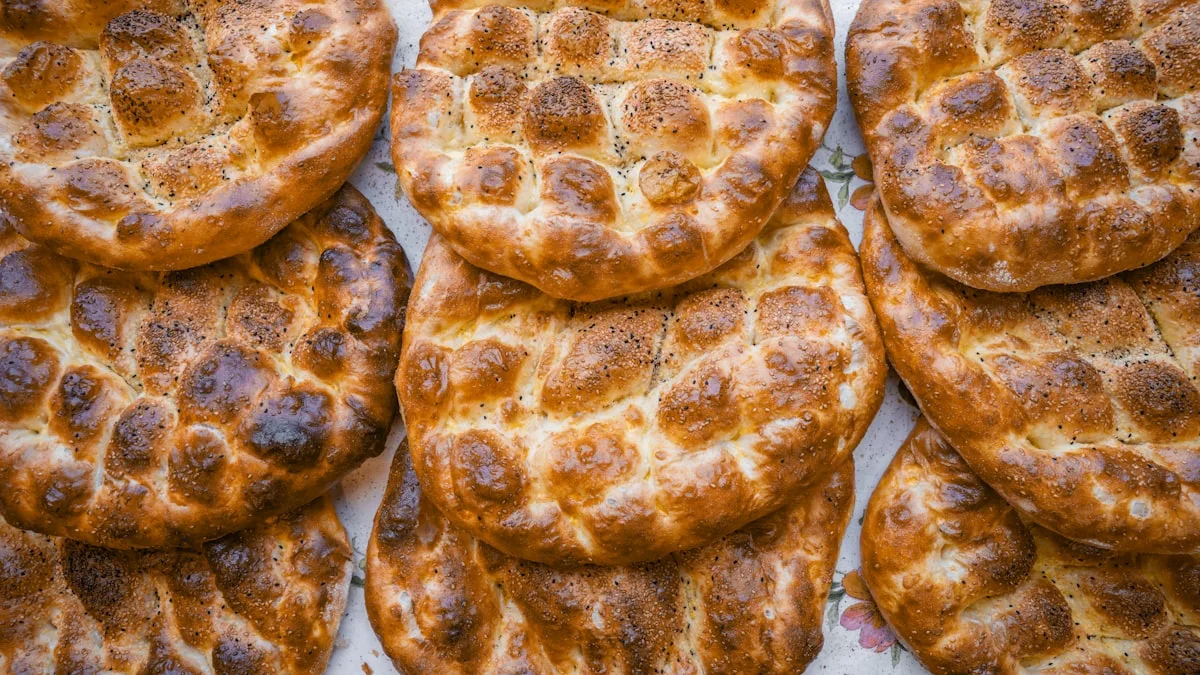
Manaqeesh, the Levantine flatbread baked with a za’atar and olive oil paste, is the classic case study. The paste goes into a hot oven and emerges with the sesame seeds golden, the herbs fragrant, and the whole thing slightly caramelised at the edges. This works because the olive oil acts as a buffer, distributing heat gently and preventing the dried herbs from scorching. The fat essentially protects the spice blend as it cooks.
That buffering principle is worth holding onto. If you want to cook with za’atar, do it in fat, at moderate heat, and for a short time. Stirring it into the last minute of a vegetable sauté is reasonable. Blooming it in oil before adding it to a sauce can work if the oil is warm rather than smoking. Adding it early into a long braise is a mistake; the volatile compounds that give it character simply evaporate, leaving behind a dull, slightly bitter residue.
Marinades sit in an interesting middle ground. Za’atar works well in a marinade for chicken or lamb because the acids and oils in the marinade partly hydrate the blend, and the cooking time is usually short enough that the flavours survive. A yoghurt-based marinade is particularly effective; the fat in the yoghurt does the same protective work as olive oil during cooking.
Here is where a lot of people get it wrong. They source a decent za’atar blend, mix it with whatever olive oil is sitting on the counter, and then wonder why the result tastes thin or slightly off. The oil is not a neutral carrier. It has its own flavour profile, its own bitterness, its own fruitiness, and those characteristics interact directly with the spice blend.
A grassy, peppery extra virgin olive oil from a younger harvest will amplify the herbal notes in za’atar and add a pleasing bite at the finish. A buttery, mild oil will soften the blend and make it feel rounder, less assertive. Neither is wrong, but neither is interchangeable either. The choice should be intentional depending on what you are making and who you are serving it to.
The quality threshold matters significantly here. Oxidised or old oil, the kind that smells faintly of crayons or nothing at all, actively damages the blend. The sumac has nothing to play against. The sesame has no complementary fat to resonate with. You end up with a bowl of paste that is technically correct but essentially joyless. This is not hyperbole; it is just chemistry and palate working together.
For a za’atar and oil dip, a ratio of roughly one part za’atar to two or three parts oil by volume is a reasonable starting point. Some people go heavier on the za’atar, particularly if the blend is well-balanced and the oil is mild. The important thing is to mix it fresh and let it sit for ten minutes before serving. That brief resting time allows the sesame seeds to absorb a little oil and the sumac to soften slightly, bringing the whole mixture into better coherence.
Eggs respond extremely well to za’atar, particularly fried or soft-scrambled eggs finished with a generous sprinkle just before serving. The runny yolk acts as a fat medium in its own right, and the contrast between the rich egg and the bright, slightly sharp za’atar is one of those combinations that feels like it was designed. Shakshuka with za’atar stirred through the sauce at the end is similarly effective.
Roasted cauliflower benefits enormously from a za’atar coating applied halfway through cooking rather than at the start. This gives the vegetables time to caramelise before the spice blend is introduced, which prevents the herbs from over-cooking while still allowing the sesame seeds to toast in the residual heat.
Cheese pairings are underexplored. A block of feta pressed into za’atar and then drizzled with oil and left to marinate overnight develops a complexity that plain feta simply cannot match. The salt in the cheese and the salt in the blend balance each other, and the oil bridges the two. Served with olives and good bread, it requires very little else.
Using za’atar as a seasoning substitute for other herb blends is a category error. It is not Italian seasoning, not herbes de Provence, not a generic dried herb mix. Its identity is specific and its flavour profile does not translate well to French or Italian preparations. Use it within its context or in thoughtful cross-cultural applications, but do not reach for it simply because the thyme jar is empty.
Buying stale za’atar is the single biggest mistake most people make. The sesame seeds go rancid, the sumac loses its acidity, and the dried herbs lose their essential oils. Smell the blend before you buy it if you can. It should be bright, herbal, and slightly nutty. If it smells of very little, that is a reliable sign the blend is past its best, regardless of the expiry date on the packet.
There is a broader principle lurking here that applies beyond za’atar. The quality of your base ingredients sets a ceiling on what any dish can achieve, and that ceiling cannot be raised with technique alone. With a spice blend that works in such direct partnership with oil, the ceiling is set by both components simultaneously. The spice and the oil need to be selected together, tasted together, and treated as a single unit rather than two separate ingredients that happen to occupy the same bowl.
If you have only ever experienced za’atar as a sprinkle on restaurant hummus, trying it properly mixed with a genuinely good olive oil and served with warm bread is something of a recalibration. It suggests the question: how many other ingredients have you been using adequately rather than well?

At Med.kitchen, our passion lies in crafting exceptional culinary experiences through our online platform. We specialise in sharing a wealth of knowledge via articles, recipes, courses, and online mentoring, aiming to inspire both novice and seasoned chefs alike. Our focus has shifted from private dining to being an online source of gastronomic inspiration, allowing you to explore and refine your culinary skills from the comfort of your home..