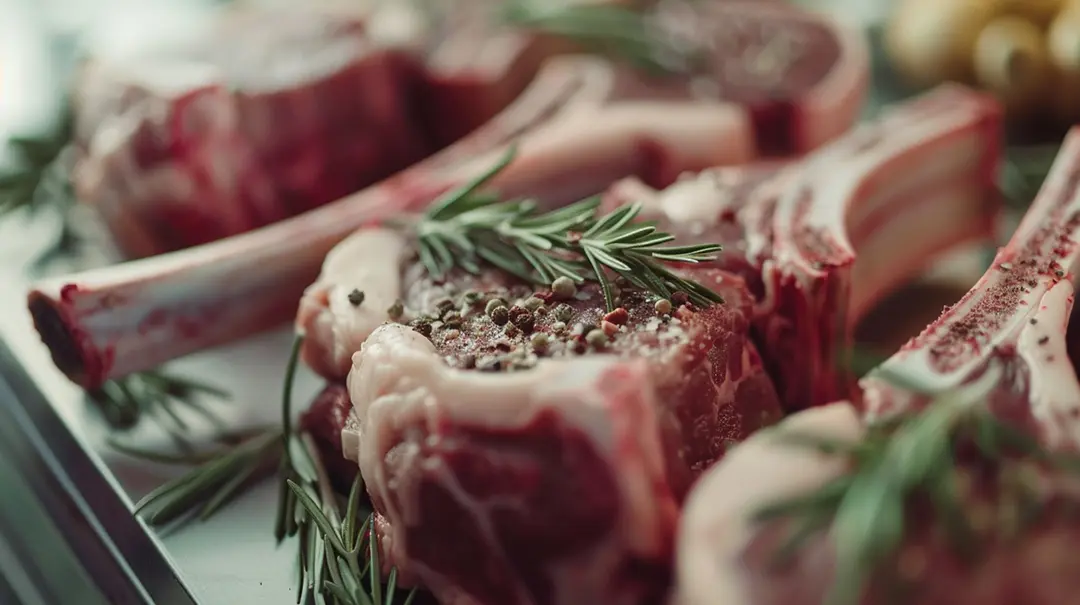

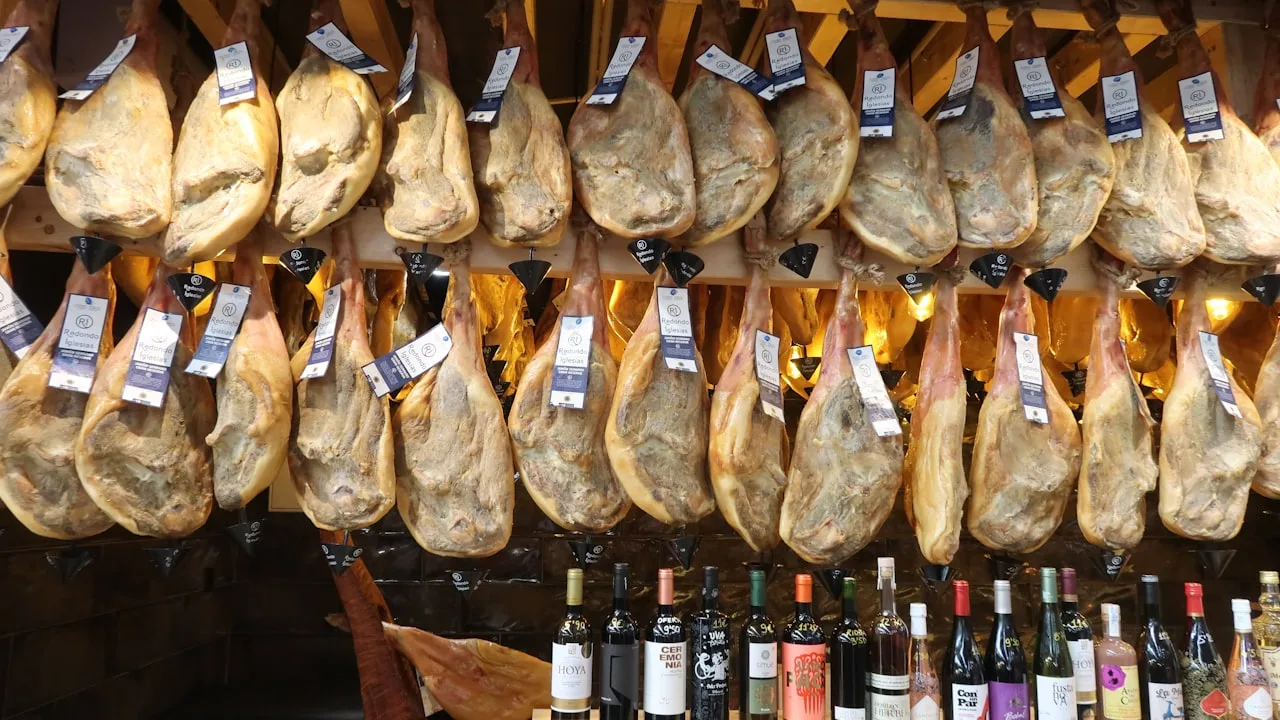
Three slices of cured meat sit on a board in front of you. One is pale pink and silky, almost translucent at the edges. Another is a deeper rose, firmer to the touch, with a faint white bloom on the surface. The third is a rich, dark burgundy, dense and lean, smelling faintly of red wine and dried herbs. Same basic concept, radically different results. The preservation of meat through salt, time, and controlled environment is one of the oldest food technologies humans ever developed, and yet three Mediterranean traditions arrived at remarkably different destinations using variations of essentially the same toolkit.
Understanding why requires a short walk through the chemistry. Not the intimidating kind with equations and molar concentrations, but the practical kind that explains why one slice melts on your tongue and another demands a bit of chewing, or why the colour of bresaola looks nothing like prosciutto despite both being pork-adjacent products cured in broadly similar ways. The differences are real; they are rooted in biology and physics, and they are worth understanding if you care about what you eat.
Before separating the three, it helps to understand what curing actually does. Salt draws moisture from muscle tissue through osmosis, lowering water activity and denying spoilage bacteria the wet environment they need to thrive. Simultaneously, salt penetrates the meat itself, denaturing certain proteins and altering the structure of muscle fibres in ways that change both texture and flavour over time. The process is not instant preservation; it is a slow transformation.
Enzymes naturally present in the meat, particularly proteases and lipases, continue working throughout the curing period. They break down proteins into shorter peptide chains and free amino acids, and they cleave fat molecules into fatty acids that contribute directly to flavour. This is why a long-aged cured meat tastes fundamentally different from the fresh product. Time is not merely a waiting period; it is an active ingredient.
Prosciutto di Parma and Prosciutto di San Daniele are the benchmarks most people reach for, and their defining characteristic is the relationship between lean muscle and fat. The hind legs of large, mature pigs, fed on whey from Parmigiano-Reggiano production in the case of Parma, are salted with relatively modest quantities of sea salt and left to cure for a minimum of twelve months, often longer for premium examples. The fat cap remains intact, and this is not incidental.
During extended ageing, lipid oxidation produces aldehydes, ketones, and esters that account for prosciutto’s characteristic sweet, nutty, slightly floral notes. The fat also moderates moisture loss; legs with a thicker fat cover dry more slowly, giving enzymes more time to work before the meat becomes too desiccated. The result is that silky, yielding texture. When you slice prosciutto correctly, against the grain and thin enough to be almost see-through, fat and lean melt together at body temperature. That is the goal the entire production process is engineered toward.
The pink-to-rose colour comes from residual myoglobin, the protein responsible for oxygen transport in muscle tissue. Myoglobin reacts with nitric oxide, either from naturally occurring nitrates in sea salt or the surrounding environment, to form nitrosomyoglobin, which stabilises the colour and gives cured pork its characteristic hue. The pale, almost translucent appearance of prosciutto reflects both the thinness of the slice and the moderate fat-to-lean ratio across the cut.
Jamón serrano, literally “mountain ham”, introduces a different set of environmental variables. Traditionally produced in the elevated inland regions of Spain, where winters are cold and dry and summers warm, serrano relies on natural mountain air rather than controlled climate chambers to achieve much of its drying. The altitude matters because lower humidity and steady airflow accelerate surface drying in a particular way, forming a protective rind that slows further moisture loss from the interior.
Serrano typically uses white pig breeds, which produce leaner legs than the Ibérico pigs used in the more celebrated jamón ibérico. The result is a firmer, denser texture than prosciutto, with more chew and a saltier profile. Enzymatic activity still occurs, but with less intramuscular fat available for lipid breakdown, the flavour complexity is lower, more straightforwardly savoury and less nuanced. That is not a criticism; it is a different objective.
The deeper rose and sometimes reddish colour in Serrano reflects both the longer salting periods often used and the breed characteristics of the pig. Myoglobin concentrations vary by breed, age, and muscle group, and more active, leaner animals tend to have higher myoglobin levels. This gives the meat a more vivid, saturated colour than the paler prosciutto, even before curing begins.
Bresaola is the outlier here, and deliberately so. Originating in the Valtellina valley of Lombardy, bresaola is cured beef, specifically topside or similar lean cuts from the hindquarter. Switching from pork to beef is not a minor adjustment; it alters almost every aspect of the chemistry. Beef muscle has significantly higher myoglobin concentrations than pork, which is why bresaola is that deep, jewel-like burgundy rather than pink or rose. Myoglobin in beef is structurally different too and reacts with curing salts to produce metmyoglobin derivatives that hold a darker, richer colour throughout the curing period.
Bresaola’s curing mixture typically includes red wine, juniper, bay, black pepper, and sometimes cloves alongside the salt. These additions do more than flavour the surface; alcohol in the wine denatures surface proteins slightly, and aromatic compounds from the spices migrate into the outer layers of the meat during the initial cure. The result is a product that carries botanical complexity that neither prosciutto nor serrano can quite replicate.
Because bresaola is lean beef with no fat cap to regulate drying, it cures relatively quickly, typically between four and eight weeks. The texture is firm, slightly springy, and entirely different from the fatty yielding quality of prosciutto. You are essentially eating concentrated, flavoured muscle protein. Some find it almost medicinal in its leanness; others appreciate precisely that quality alongside a drizzle of olive oil and a squeeze of lemon.
These three products represent three genuinely distinct approaches to the same underlying problem: how do you preserve meat and make it worth eating? Prosciutto answers that question by protecting fat, extending time, and letting enzymatic complexity do the heavy lifting. Serrano answers it by using climate and simple salting to produce something lean, honest, and reliable. Bresaola answers it by switching the protein entirely and leaning into botanical flavour to compensate for the absence of fat.
The chemistry is not incidental to the outcome; it is the outcome. Texture, colour, and flavour in each case are direct expressions of decisions made about salt quantity, curing duration, temperature, humidity, fat content, and species. When you understand that, you stop thinking about these products as interchangeable options on a charcuterie board and start seeing them as the results of entirely different philosophies.
What interests me is how much of this knowledge was arrived at empirically, over centuries, before anyone understood the biochemistry involved. The Lombard farmers curing bresaola with juniper and wine did not know about aromatic compound migration or protein denaturation; they knew it tasted better that way. Which raises a fair question: how many other time-tested food traditions are we still benefiting from without fully understanding why they work, and what might we lose if we reduce them to just their chemistry?

At Med.kitchen, our passion lies in crafting exceptional culinary experiences through our online platform. We specialise in sharing a wealth of knowledge via articles, recipes, courses, and online mentoring, aiming to inspire both novice and seasoned chefs alike. Our focus has shifted from private dining to being an online source of gastronomic inspiration, allowing you to explore and refine your culinary skills from the comfort of your home..