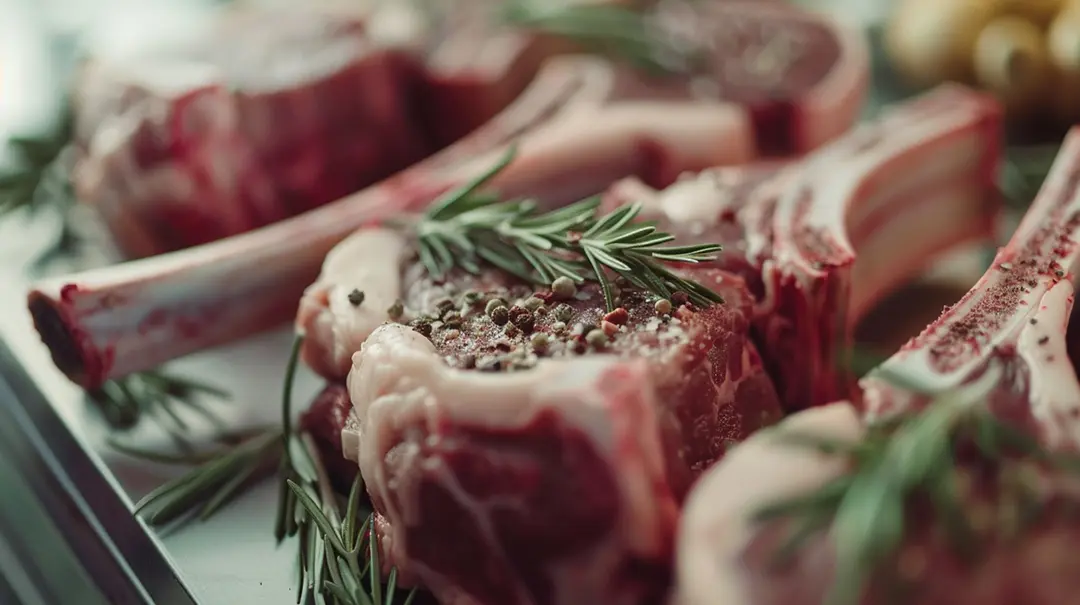

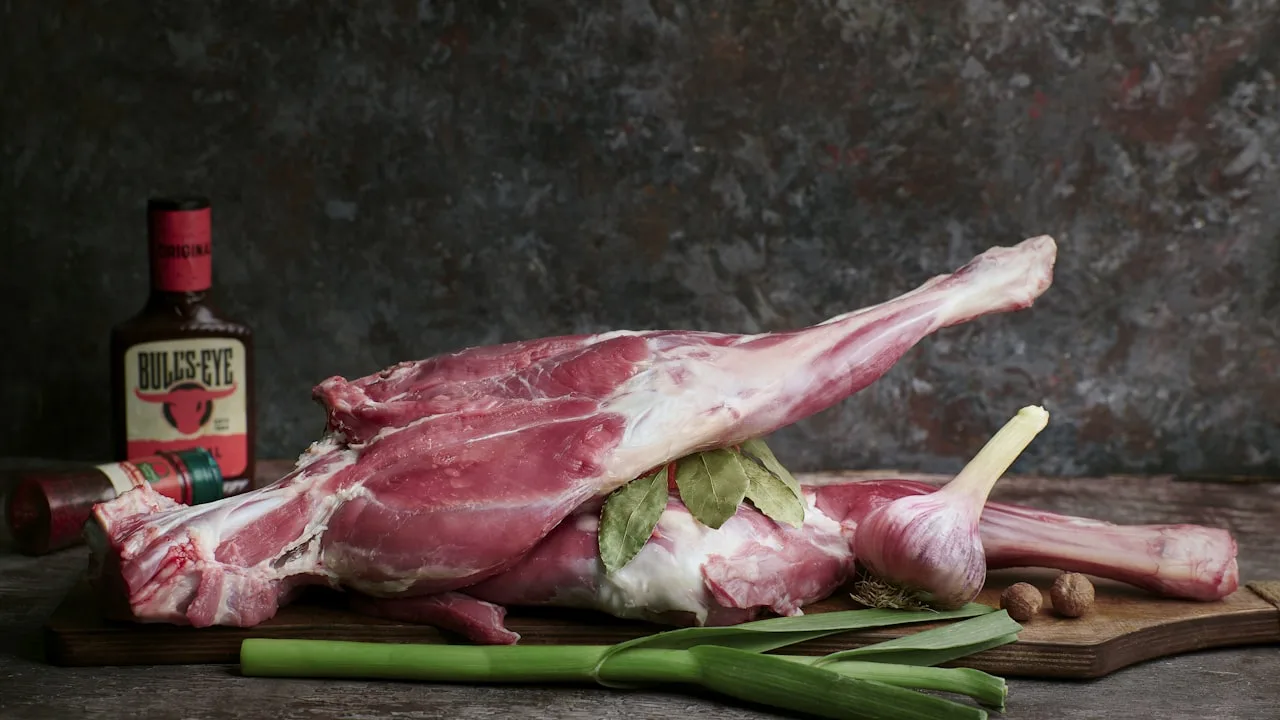
There is a particular kind of quiet satisfaction that comes from pulling a lamb shoulder out of the oven after four hours and watching it yield to a spoon. No knife needed. No drama. Just meat that has surrendered completely, carrying with it the concentrated scent of herbs, wine, and something vaguely coastal. That is the promise of slow braising done properly. The trouble is, most people get part of the way there and stop, wondering why the result is decent but not memorable.
The Mediterranean approach to braising lamb is not really a recipe. It is a philosophy built around patience, restraint, and a genuine understanding of what heat and time do to connective tissue. Get those variables right, and the aromatics almost do their own work. Get them wrong, and no amount of rosemary or garlic will rescue the situation.
Shoulder is the correct choice for slow braising, full stop. It contains the right ratio of fat to muscle to collagen, and that combination is what makes the difference between meat that is merely soft and meat that is silky. Leg of lamb has its place, roasted hot and fast, but it will punish you for braising it low and slow. The muscle fibres are different, the collagen content is lower, and you end up with something dry and slightly stringy despite the best of intentions.
Bone-in shoulder is preferable to boneless, not for sentimental reasons but because bone contributes gelatin to the braising liquid, which thickens the sauce naturally and gives it a quality that no cornflour slurry can replicate. Ask your butcher to score it or to leave it whole depending on how you want to serve it. Both approaches work. What matters is keeping the bone in.
This is where a lot of home cooks make assumptions that undermine the whole project. The assumption is that lower is always better, and that a longer time at a lower temperature is inevitably superior to a shorter braise at a slightly higher one. That is not quite right. There is a floor below which collagen conversion slows to a crawl, and there is a ceiling above which you are essentially boiling the meat in a covered pot, which produces a different and less appealing texture.
The sweet spot for a Mediterranean slow braise sits between 150 and 160 degrees Celsius in a conventional oven, with the dish tightly covered. At this temperature, collagen converts to gelatin steadily over three to four hours, the fat renders gradually rather than explosively, and the braising liquid never quite reaches a full simmer. That last point matters. A rolling boil, even a gentle one, toughens meat. You want the liquid to tremble, not bubble.
If you have a fan-assisted oven, drop that by ten degrees. Fan ovens run hotter than the dial suggests, and the circulating air will push you past where you want to be without you realising it until it is too late.
A lamb shoulder needs at minimum three and a half hours at the temperatures described above. Four is better. Some cooks go to five, particularly for a very large shoulder, and the result is not overcooked but rather more completely rendered. The collagen has had longer to dissolve, the fat has had more time to meld with the liquid, and the meat pulls apart with almost no resistance.
The mistake is checking too early and concluding it is done when it is merely cooked. There is a difference. Cooked lamb is safe to eat and will be reasonably tender. Properly braised lamb has a quality that is harder to describe but immediately obvious on the plate. It has a certain looseness to it, a kind of generous texture that holds its shape when spooned but does not resist the fork. You get there only by giving it enough time.
The Mediterranean aromatic profile for lamb is well-established and works because it has been refined over centuries of actual cooking rather than theoretical flavour pairing. Garlic, rosemary, thyme, bay, and dried oregano form the core. Around that, you build with onion, carrot, celery, and a tin of good-quality chopped tomatoes. Add a generous pour of dry white wine, or red if you prefer a deeper, slightly earthier result, and enough lamb or chicken stock to come roughly halfway up the meat.
A few things are worth being deliberate about. Whole garlic cloves, left unpeeled and scattered around the meat, will soften to a sweet, mild paste over the cooking time and can be squeezed directly into the sauce at the end. This is a different contribution to the dish than minced garlic stirred in early, which tends to become harsh and slightly bitter at low temperatures over long periods.
Anchovies deserve a mention here, even if they sound counterintuitive. Three or four fillets dissolved into the base before the lamb goes in add a savoury depth that registers as richness rather than fishiness. Nobody will identify them. They will simply notice that the sauce has a quality they cannot quite place. That is the effect you are after.
Brown the lamb before it goes into the braising vessel. This is not optional, and the Maillard reaction it produces contributes flavour compounds that slow cooking simply cannot generate on its own. Use a heavy-based pan, get it properly hot, and sear the shoulder in batches if necessary rather than crowding the pan and ending up with steam rather than colour.
That said, do not overthink this step. A deep golden-brown on the major surfaces is sufficient. You do not need to sear every edge and crevice. The braising environment will take care of the rest. Spend five minutes on the sear, not twenty.
When the lamb is done, rest it uncovered for fifteen minutes before serving. Use that time to reduce the braising liquid if it needs concentrating, taste it carefully, and adjust the seasoning. A squeeze of lemon at the end lifts everything without being detectable as lemon. A handful of roughly chopped flat-leaf parsley stirred in just before serving adds freshness and a slight bitterness that balances the richness of the braise.
Serve with something that can absorb the sauce properly. Soft polenta works beautifully. So does a rough mash or a pile of simply dressed white beans. The accompaniment should be restrained enough that the lamb remains the primary point of the plate.
If your braise has been good but not exceptional, the most likely culprits are temperature too high, time too short, or a braising liquid that was under-seasoned from the start. Stock from a cube is fine if that is what you have, but reduce your added salt accordingly and taste as you go. The liquid should taste well-seasoned before the meat goes in, not after.
Also, resist the urge to open the oven repeatedly. Every time you lift the lid, you interrupt the steady low environment you have worked to create. Check it once at the halfway point if you must, then leave it alone. Trust the process you have set up and resist the anxiety of not being able to see what is happening inside the pot. The best braising is largely an act of faith in physics.
Slow braising lamb the Mediterranean way comes down to using the right cut, keeping your temperature controlled and your time generous, building a layered aromatic base, and finishing with enough care to honour the hours that preceded it. None of these steps are difficult individually. The difficulty, if there is one, is in holding your nerve and not rushing any of them. Which raises a reasonable question for any cook: how often do we undermine genuinely patient cooking by losing confidence in the final hour?

At Med.kitchen, our passion lies in crafting exceptional culinary experiences through our online platform. We specialise in sharing a wealth of knowledge via articles, recipes, courses, and online mentoring, aiming to inspire both novice and seasoned chefs alike. Our focus has shifted from private dining to being an online source of gastronomic inspiration, allowing you to explore and refine your culinary skills from the comfort of your home..