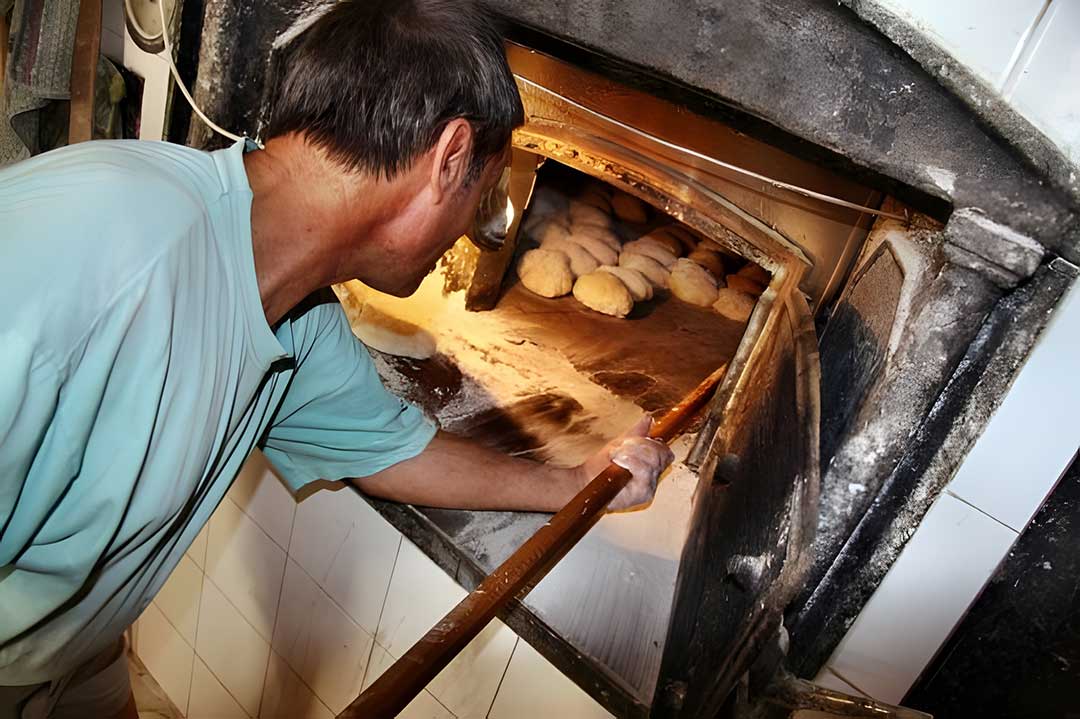

There is something quietly radical about a culture that refuses to waste bread. Not because of ideology or trend, but because the people who built these traditions understood, at a very practical level, that bread represents labour, grain, water and time. Throwing it away was not an option they entertained. Across the Mediterranean, from the sun-bleached villages of Malta to the coastal kitchens of Lebanon and the dusty markets of Andalusia, stale bread has always had a second life. Often a better one.
What’s striking is how independently similar solutions emerged across cultures that had limited contact with one another. The logic is the same everywhere: dry bread does not spoil easily, it absorbs liquid beautifully, and it adds texture and body to dishes that fresh bread simply cannot. These weren’t workarounds. They were culinary strategies, refined over centuries.
Italy’s relationship with leftover bread is almost philosophical. Panzanella, the Tuscan bread salad, is perhaps the most well-known example. Stale bread, soaked in water and wrung out, then torn into chunks and dressed with tomatoes, basil, red onion, olive oil and vinegar. The result is something that tastes deliberately constructed rather than improvised, which is the point. The bread doesn’t just absorb the dressing; it becomes the dish’s structural foundation.
Ribollita is another case worth considering. The name translates roughly as “reboiled”, which tells you everything about its origins. Leftover vegetable soup, thickened with stale bread, cooked again the next day. The bread dissolves into the broth, thickening it into something closer to a porridge than a soup. Ribollita on day two is genuinely better than on day one. That’s not romanticisation; it’s a fairly well-documented culinary fact among anyone who has made it properly.
Then there is acquacotta, literally “cooked water”, a peasant soup from the Maremma region. Water, foraged vegetables, an egg cracked in at the end, and stale bread at the bottom of the bowl to catch everything. Minimal ingredients, considerable skill in coaxing flavour from almost nothing. These dishes weren’t born in restaurants. They were born in kitchens where nothing could be discarded.
The Iberian Peninsula offers a different but equally disciplined relationship with stale bread. In Spain, gazpacho’s origins are not the smooth, chilled tomato soup most people recognise today. The original gazpacho was a simple, bread-thickened mixture of water, garlic, olive oil and vinegar, eaten by agricultural labourers in Andalusia. Tomatoes arrived later. The bread came first, doing the work of making a thin dressing into something sustaining.
Migas is perhaps even more instructive. Stale bread, crumbled and fried slowly in olive oil with garlic, chorizo, peppers and whatever else is available. The bread transforms completely, becoming crispy and savoury, almost like a loose stuffing. It is eaten for breakfast, lunch or dinner depending on the region, and it is one of those dishes that demonstrates how a constraint, in this case the need to use up old bread, can produce something genuinely delicious rather than merely functional.
Portugal has its own version, also called migas, though the approach varies considerably by region. In the Alentejo, it tends to involve olive oil, garlic and coriander and is served alongside pork. The bread becomes almost a soft, pillowy accompaniment rather than a crispy one. Two countries, the same name, quite different textures. Both are excellent; both are born from the same reluctance to throw anything away.
In Lebanon, Syria and across the Levant, stale or toasted flatbread is a recurring ingredient rather than an afterthought. Fattoush is the salad most people know: crispy pieces of toasted or fried flatbread tossed with vegetables, sumac, lemon and olive oil. The bread is deliberately crunchy, providing contrast to the soft vegetables. Leave it too long and the bread softens into the dressing, which some people prefer. Both versions are defensible.
Fatteh is less well-known outside the region but arguably more sophisticated. Layers of toasted flatbread are soaked in broth or water until softened, then topped with chickpeas, yoghurt, tahini, lemon juice and sometimes chicken or aubergine. The bread layer disappears structurally but remains present as texture and absorbency. It is a dish built around transformation rather than preservation of the original ingredient.
Egypt has foul medames, often served with bread, but more relevant here is the tradition of eish shamsi, sun-dried sourdough bread, which, when stale, is crumbled into soups or used as a base for various toppings. The logic of using dried, stable bread as a reliable pantry ingredient rather than a perishable one runs through the entire region’s culinary history. Bread was currency, essentially. You didn’t waste currency.
In Greece, dakos is a Cretan dish built entirely around dried barley rusks, paximadi. Soaked briefly in water, then topped with crushed tomatoes, feta, olives and oregano. The rusk softens slightly at the edges while remaining firm at the centre, creating a layered texture that fresh bread could never replicate. It is one of those dishes where the “inferior” ingredient, the dried, hardened rusk, is actually the non-negotiable one.
Turkey has a long tradition of using stale bread in soups, particularly the simple bread-and-egg soups that appear in various regional forms. Tarhana, a fermented dried mixture of flour, yoghurt and vegetables, is not stale bread exactly, but it represents the same principle: preserve what you have in a form that extends its life and usefulness. The Mediterranean obsession with fermentation and drying is closely tied to the same logic that produced all these bread-rescue dishes.
Looking across these traditions, a few things become clear. First, stale bread is almost always improved by one of two processes: soaking in liquid or frying in fat. Both transform the original texture into something new rather than trying to recover what was lost. That’s a useful distinction. The cooks who developed these dishes weren’t trying to pretend the bread was fresh. They were working with what the bread had become.
Second, stale bread consistently functions as a thickener, a base or a textural contrast. It earns its place in a dish by doing structural work that fresh bread cannot do. A slice of fresh bread dropped into ribollita would fall apart immediately and turn gluey. Stale bread holds its shape long enough to absorb and then yields gradually. That’s a precise culinary function, not a consolation prize.
Third, and perhaps most interestingly, several of these dishes are now considered premium or artisanal in contemporary food culture. Panzanella appears on restaurant menus at considerable expense. Fattoush has found its way into health-conscious cafes across London and beyond. Peasant ingenuity has been reframed as sophistication, which says something about how the modern food world often arrives, belatedly, at conclusions that working kitchens reached centuries ago.
The real question these traditions raise is not historical but practical. How many of us have a loaf going stale on the counter right now, and what are we planning to do with it? The Mediterranean kitchen’s answer has always been the same: something better than you might expect.

At Med.kitchen, our passion lies in crafting exceptional culinary experiences through our online platform. We specialise in sharing a wealth of knowledge via articles, recipes, courses, and online mentoring, aiming to inspire both novice and seasoned chefs alike. Our focus has shifted from private dining to being an online source of gastronomic inspiration, allowing you to explore and refine your culinary skills from the comfort of your home..