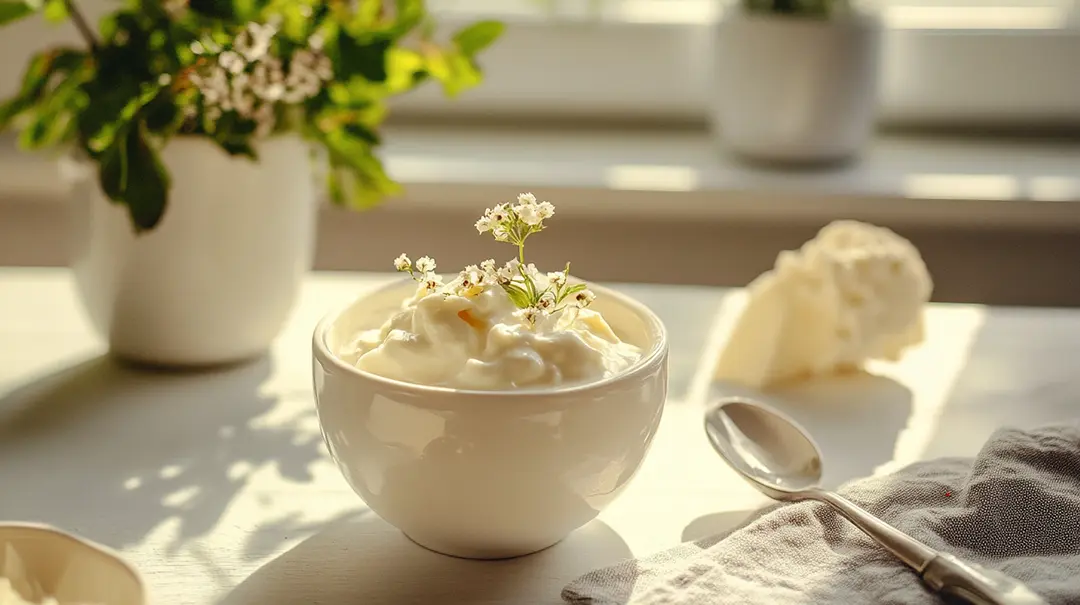


There is a particular kind of satisfaction in making something that feels luxurious from almost nothing. Labneh is exactly that. Two ingredients, a piece of muslin or a clean tea towel, and a bit of patience are all that stand between you and a soft, tangy, spreadable cheese that would cost you three or four times the price if you bought it ready-made from a deli. The preparation takes about five minutes. The waiting is what does the real work.
Labneh is a strained yoghurt cheese with roots across the Levant, from Lebanon to Syria to Jordan and beyond. It has been made in domestic kitchens for centuries. And yet somehow it still feels like a discovery when you make it yourself for the first time, which tells you something useful: the best preserved foods are often the ones that require the least interference.
The concept is straightforward. Yoghurt contains whey, which is the liquid portion. When you remove enough of that whey through slow drainage, the solids that remain become denser, creamier, and more concentrated in flavour. The result sits somewhere between thick Greek yoghurt and a mild fresh cheese, depending on how long you leave it to drain.
At 24 hours, you get something spoonable and rich, good for dipping or spreading thickly onto flatbread. At 48 to 72 hours, the texture firms up enough to roll into balls. Leave it even longer, pack it into olive oil with dried herbs and a pinch of chilli, and it will keep in the fridge for a couple of weeks, improving steadily as it sits.
That progression is part of what makes labneh interesting to work with. It is not a fixed product. It is a process, and you can stop it wherever it suits you.
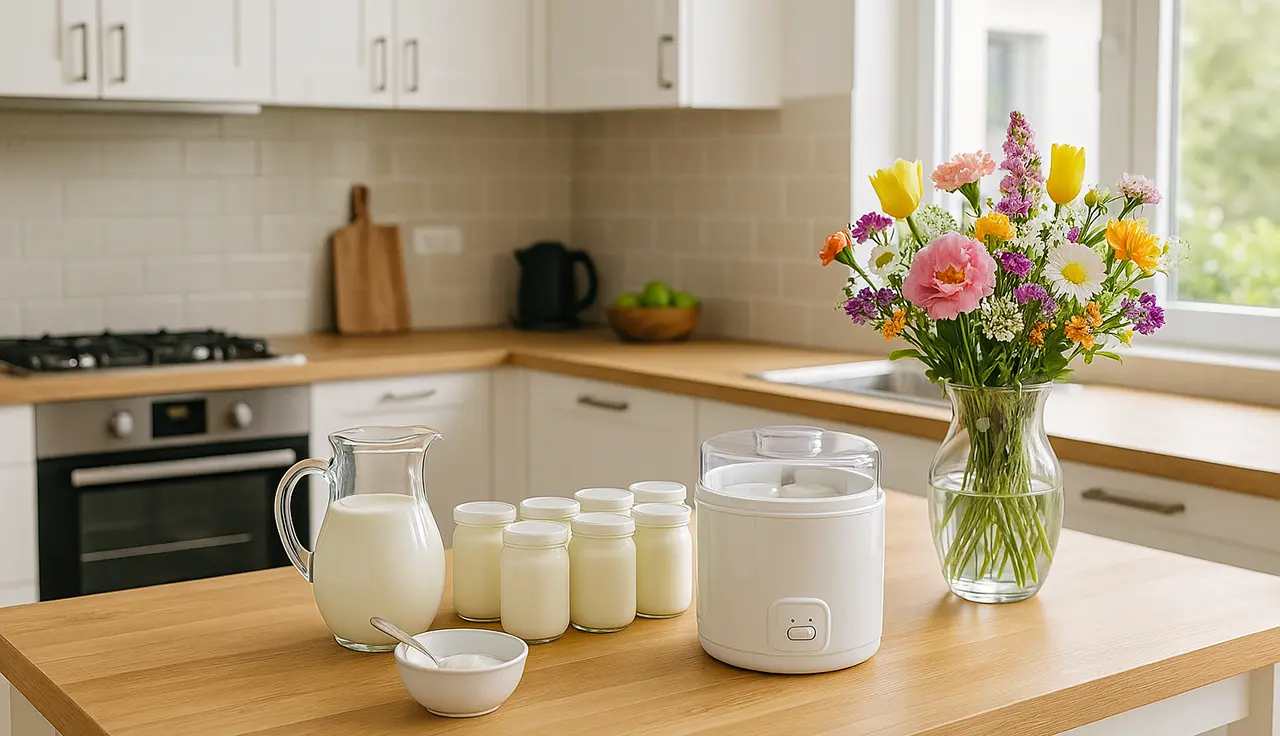
You need full-fat yoghurt and salt. That is genuinely it. The salt is not optional, despite what some minimalist recipes suggest. It draws out more whey, seasons the cheese evenly from the inside, and acts as a mild preservative once the labneh is finished. A rough guide is about half a teaspoon of fine sea salt per 500 grams of yoghurt, though you can adjust this to taste.
The yoghurt matters more than most people assume. Full-fat is non-negotiable if you want a result worth eating. Low-fat or fat-free yoghurt will drain down to something grainy and rather sad. Greek-style yoghurt will also work, though it starts thicker and will drain faster, which can be useful if you are short on time. Plain live yoghurt from a good brand is the classic choice and gives you the most control over the final texture.
Sheep’s milk yoghurt, if you can find it, produces something noticeably richer and more complex. Goat’s milk yoghurt gives you a sharper, more mineral finish. Both are worth trying once you have the basic method down.
Line a colander or sieve with a double layer of muslin, cheesecloth, or a clean, well-rinsed tea towel. Place it over a bowl deep enough to catch the whey without the base of the colander sitting in the liquid. Stir the salt through your yoghurt thoroughly, then pour it into the lined colander.
Bring the edges of the cloth together and tie them loosely, or just fold them over the top. Place the whole thing in the fridge. If you want a more rustic, hands-off approach, you can suspend the cloth bundle from a shelf in your fridge over the bowl. This allows air circulation and slightly faster draining, though either method works perfectly well.
Check it after 24 hours. You will find a surprising amount of pale yellowish whey in the bowl below. Do not throw this away. It is mildly tangy, protein-rich, and useful in bread dough, pancake batter, soups, or simply mixed into a smoothie. What remains in the cloth should already look considerably thicker than when you started.
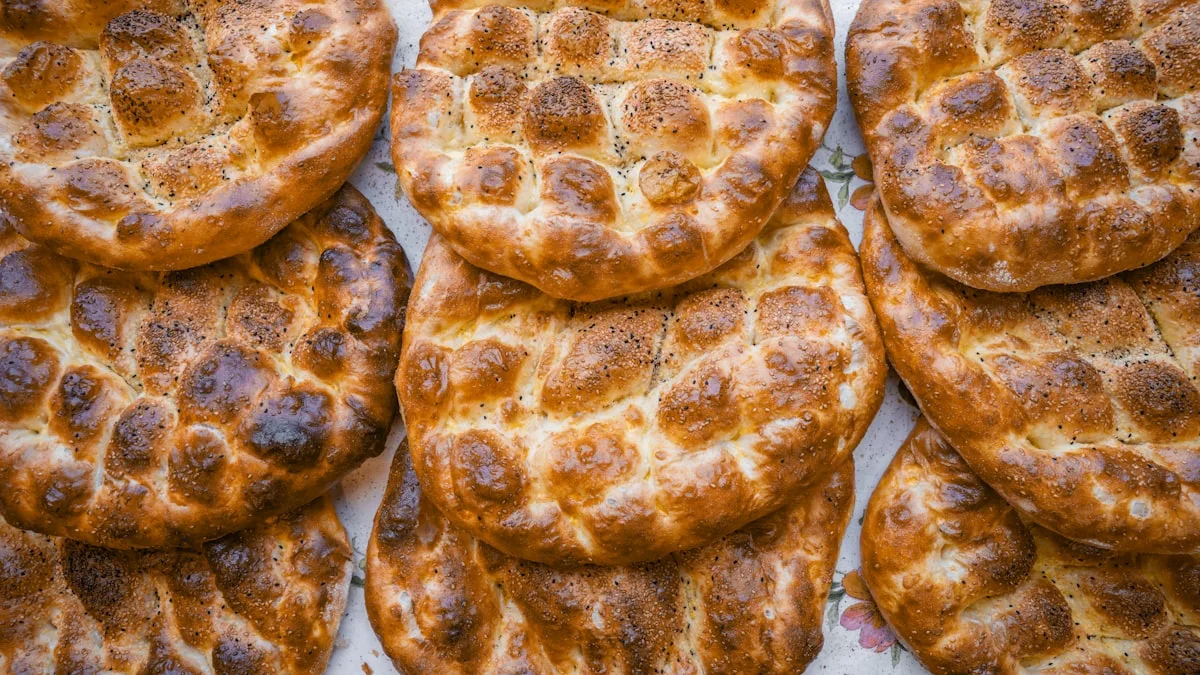
At this stage, decide where you want to take it. For a soft, spreadable labneh, you are done. Scoop it into a bowl, drizzle with good olive oil, scatter over some dried mint or za’atar, and serve with warm flatbread. For firm labneh balls, keep draining for another 24 to 48 hours until the cheese holds its shape when you press it gently.
Once the labneh is firm enough to roll, wet your hands lightly, take roughly a tablespoon at a time, and shape each portion into a smooth ball. You can roll them in dried herbs, crushed chilli flakes, sesame seeds, or ground sumac before packing them into a sterilised jar. Cover completely with olive oil. A good-quality, mildly flavoured olive oil works better than something intensely peppery, which can dominate the cheese.
Kept fully submerged in oil and refrigerated, the balls will last two to three weeks without any quality loss. In fact, they tend to be more interesting after the first few days, when the oil has picked up some of the herb flavour and the cheese itself has had time to mellow slightly. The oil left behind at the end is exceptional for dressing salads or drizzling over roasted vegetables.
Labneh is more versatile than its reputation suggests. The obvious use is as a spread or dip, and this should not be dismissed as ordinary. Good bread, a generous pour of olive oil, and a bowl of well-made labneh is a genuinely satisfying thing. But it also works well swirled under roasted vegetables, used in place of cream cheese in a savoury tart, or served alongside spiced lamb or grilled chicken.
A spoonful stirred into a warm lentil soup adds creaminess without heaviness. Thinned slightly with a little of the reserved whey or some lemon juice, it becomes a dressing. It pairs well with honey and walnuts if you want something that straddles the savoury-sweet line for a light breakfast or mezze board.
The common thread is that labneh handles acid and fat well. It benefits from a squeeze of lemon, from good olive oil, from anything pickled or sharp served alongside it. It has enough flavour to hold its own without being aggressive, which is a quality that is harder to find than you might expect.
The thing most people find counterintuitive about labneh is that the best version is not the fastest one. This is not a recipe that rewards rushing. The 24-hour version is good. The 48-hour version is better. The preserved balls that have been sitting in herb-scented olive oil for four or five days are something else entirely.
There is a broader principle at work here that applies well beyond cheese-making. Some things need to be started days before you need them, not because the active effort is substantial, but because time itself is doing something that no technique can replicate. Flavour development, texture change, the quiet concentration of something simple into something genuinely good: these require time as an ingredient.
Making labneh for the first time tends to shift how people think about fermented and preserved foods generally. Once you realise that one pot of full-fat yoghurt and a pinch of salt, left in your fridge for three days, can produce something you would genuinely be proud to serve to guests, you start to look at other slow processes with considerably more curiosity. That, perhaps, is the real return on investment here.

At Med.kitchen, our passion lies in crafting exceptional culinary experiences through our online platform. We specialise in sharing a wealth of knowledge via articles, recipes, courses, and online mentoring, aiming to inspire both novice and seasoned chefs alike. Our focus has shifted from private dining to being an online source of gastronomic inspiration, allowing you to explore and refine your culinary skills from the comfort of your home..