
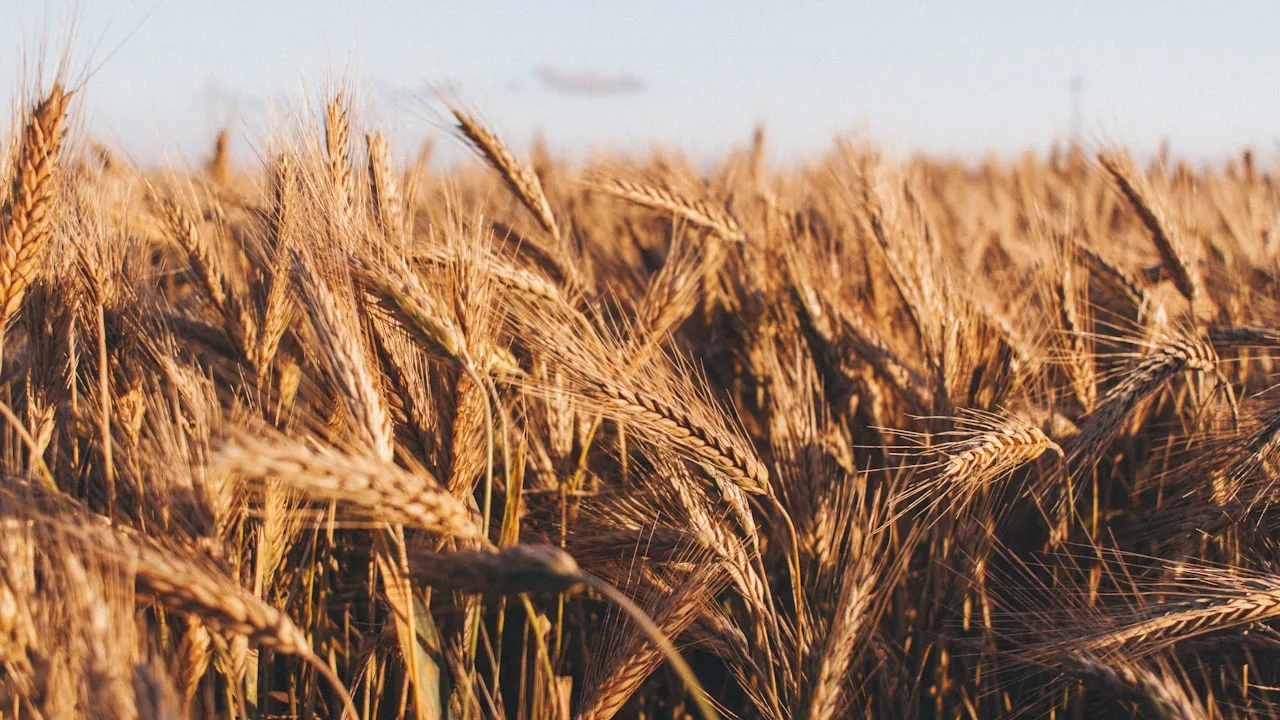
TL;DR: Ancient grains Mediterranean baking uses emmer, einkorn, and Khorasan wheats that differ genetically from modern flour. Each grain has distinct gluten behaviour and hydration needs. Treating them as interchangeable is the most common baking mistake.
Emmer, einkorn, and Khorasan wheat were feeding civilisations long before modern bread flour existed, and they are still doing something that refined wheat simply cannot. Ancient grains Mediterranean baking is not a trend built on nostalgia; it is a return to ingredients with genuine structural and nutritional differences from the commodity wheat that took over in the twentieth century.
I should be honest about something: the first time I baked an einkorn loaf, I expected it to behave like spelt and got something closer to a very expensive brick. The dough absorbed water differently, the gluten developed at a slower pace, and I had misjudged both the hydration and the timing. That failure taught me more about what these grains actually are than any reading had managed to.
Modern bread wheat, Triticum aestivum, is a hexaploid grain. It carries six sets of chromosomes and was selected over decades for high yields, consistent gluten networks, and the ability to perform reliably in industrial conditions. Emmer and einkorn are diploid and tetraploid respectively, carrying fewer chromosomes, and Khorasan (sold commercially as Kamut) is a tetraploid close to durum. These are not interchangeable with one another, and treating them as equivalent is where most bakers go wrong.
The practical implication is that each grain produces gluten that behaves differently under hydration and fermentation. Einkorn gluten is extensible but weak; it stretches without much resistance, which means it spreads rather than rises if you push the fermentation too far. Emmer sits somewhere between einkorn and modern wheat, offering more structure but still requiring a measured hand. Khorasan has a stronger gluten network and a higher protein content, often around 14 to 17 per cent, making it the most forgiving of the three for a baker used to conventional techniques.
The Mediterranean basin is where emmer wheat bread was first baked. Archaeological evidence from sites in the Fertile Crescent and later from Egypt and Anatolia shows emmer as a dietary staple for thousands of years. The Romans grew it extensively; the word farina derives from far, the Latin name for emmer. It was only during the Roman imperial period that emmer began to be displaced by free-threshing wheat varieties that were easier to mill at scale.
Khorasan wheat likely originated in the region that now covers parts of Iran, Afghanistan, and surrounding areas, though it was grown across North Africa and the eastern Mediterranean. Einkorn is among the oldest cultivated grains, with evidence of its use in the Karacadag Mountains of modern Turkey dating to approximately 10,000 BCE. These are not obscure rarities; they are the grains that built the agricultural foundations of the region.
What makes heritage grain baking in Mediterranean traditions distinct is that the techniques evolved alongside the grain. Long, slow fermentation was standard before commercial yeast existed; sourdough was not a choice but a necessity. That extended fermentation happens to break down phytic acid in the bran, which improves mineral absorption, and it softens the gluten structure in ways that some people with non-coeliac wheat sensitivity find easier to tolerate. The method and the grain worked together, and separating them tends to produce inferior results.
Working with einkorn flour recipes requires a shift in how you read dough. The usual signs of gluten development, the smooth surface, the windowpane test, the clean pull, behave differently. Einkorn dough is sticky and slack even when properly developed. Trying to develop it further to reach the feel of a standard bread dough will only break it down.
The practical adjustments: reduce hydration by roughly ten to fifteen per cent compared to your usual recipe, shorten fermentation time or reduce the quantity of starter or levain, and handle the dough less rather than more. Fold gently rather than stretch aggressively. Bake at a slightly lower temperature than you would for a high-extraction modern wheat loaf, as einkorn browns quickly due to its higher sugar content.
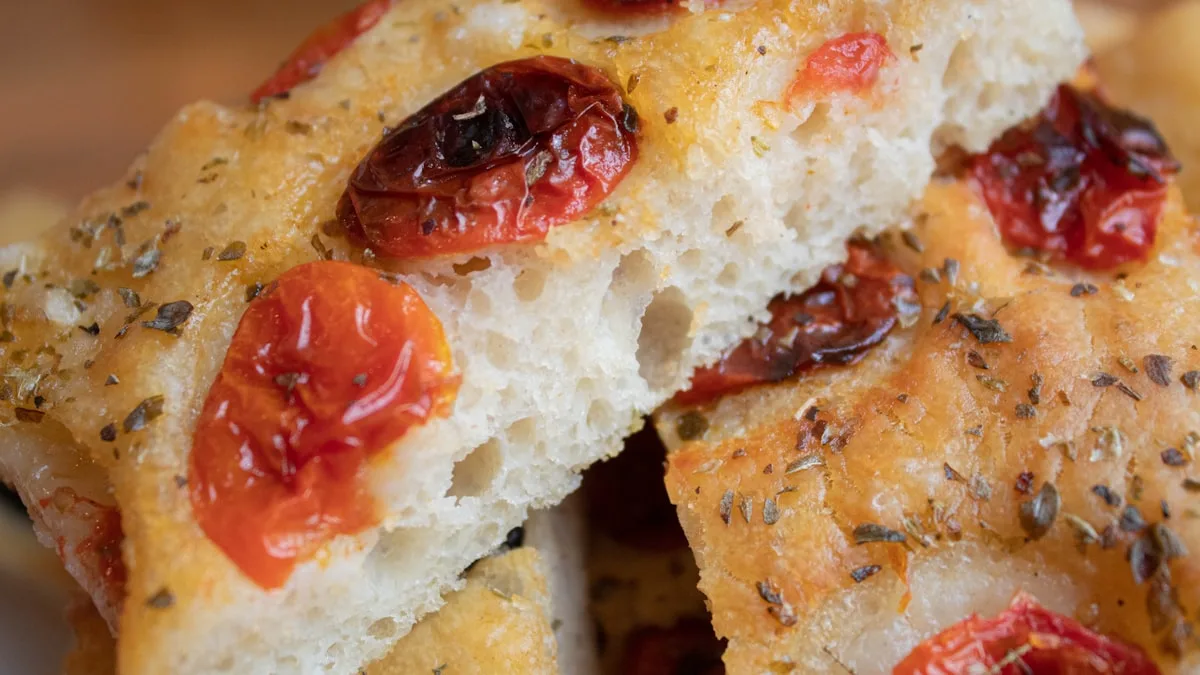
Flatbreads suit einkorn particularly well, which is consistent with its historical use. A simple einkorn flatbread, hydrated to roughly 70 per cent, fermented briefly with a small amount of sourdough starter, cooked on a hot cast iron surface, will produce something with a nutty, almost sweet flavour that a standard white flour flatbread cannot replicate.
Emmer wheat bread occupies the most useful middle ground of the three grains. Its gluten is strong enough to hold a crumb structure, its flavour is more complex than modern wheat without being as assertive as rye, and it responds well to longer cold fermentation. A dough made with whole emmer, hydrated to around 75 to 80 per cent and fermented overnight in the refrigerator, will develop a depth of flavour that is genuinely surprising on first encounter.
Emmer is a hulled grain, which means it requires extra milling to remove the outer husk. Most commercial emmer flour has already been dehulled, but stoneground whole emmer will retain more of the bran and germ. Stoneground varieties tend to absorb water more slowly, so autolyse periods of 45 minutes to an hour are sensible before adding salt and starter.
Khorasan wheat uses extend well beyond bread. Because its protein content is high and its gluten relatively strong, Khorasan performs well in pasta, where the high protein supports the structure during cooking and the flavour is notably richer than standard durum semolina. In the Sicilian and Maghrebi traditions, similar wheats have historically been used for couscous and pasta-like preparations, so using Khorasan here has a certain logic to it.
For bread, Khorasan produces a close crumb with a golden colour from its high carotenoid content. It is often blended with modern wheat in commercial products, which does reduce costs but also reduces the point of using it in the first place. Baking with 100 per cent Khorasan flour, or close to it, gives a loaf with a distinctly sweet, buttery quality that is unlike anything made from standard wheat.
Ancient wheat health benefits are cited regularly and often exaggerated. The honest position is this: these grains are not gluten-free and are not suitable for people with coeliac disease. The evidence that they are better tolerated by people with non-coeliac gluten sensitivity is preliminary, not conclusive. What is clearer is that they tend to contain higher levels of certain minerals, including zinc, magnesium, and iron, and that their phytic acid content is more effectively reduced by long fermentation than that of modern wheat, potentially improving mineral bioavailability.
Einkorn contains a different gluten protein profile from modern wheat, with a higher ratio of gliadin to glutenin and a different composition of the alpha-gliadin proteins implicated in coeliac disease. Research by groups including the Leibniz Institute in Gatersleben has examined this, but the conclusions are cautious. For most people without specific wheat sensitivities, the relevant benefit of these grains is flavour and diversity in the diet, not a medical outcome.
Sourcing quality heritage grain flour in the UK has improved considerably. Shipton Mill, Gilchesters Organics, and Marriage’s all stock at least one of these grains, and several smaller mills are milling direct to order. Stoneground whole grain flour will behave differently from sifted heritage flour sold as a white equivalent; the bran particles in stoneground flour interfere with gluten formation, which is not a flaw but a characteristic to work with.
Expect to pay significantly more per kilogram than for commodity bread flour. A 1.5kg bag of stoneground einkorn from a small mill can cost three to four times the equivalent weight of standard strong white. Whether that is worth it depends entirely on what you want from the bread. If you want consistent sandwich loaves, it probably is not. If you want to bake something with a flavour profile you genuinely cannot find elsewhere, it is.
The question worth sitting with is whether these grains are being used thoughtfully or simply marketed. When a bakery labels something ‘ancient grain’ and then blends ten per cent Khorasan into commodity flour to hit a price point, the heritage is present in name only. Baking with these grains properly means understanding them as distinct raw materials with their own logic. That takes longer, costs more, and produces something noticeably different. Whether that is enough of a reason is a decision each baker has to make for themselves.

At Med.kitchen, our passion lies in crafting exceptional culinary experiences through our online platform. We specialise in sharing a wealth of knowledge via articles, recipes, courses, and online mentoring, aiming to inspire both novice and seasoned chefs alike. Our focus has shifted from private dining to being an online source of gastronomic inspiration, allowing you to explore and refine your culinary skills from the comfort of your home..