
Before supermarkets made every ingredient available on every day of the year, Mediterranean cooks had no choice but to eat what the land was actually doing at that moment. That constraint, it turns out, produced one of the most coherent and nourishing food cultures the world has ever seen.
The old Mediterranean food calendar was not a romantic concept or a wellness trend. It was logistics. A Sicilian smallholder in October had figs, almonds, late tomatoes, and the first pressing of olive oil. A Greek island household in February had dried pulses, salt fish, and whatever the sea offered on a given morning. The menu wrote itself because there was no alternative menu to consider.
This is worth sitting with for a moment, because we have almost entirely lost that relationship with time and food. The modern assumption is that a recipe calls for an ingredient and you go and find it. The older logic ran the other way entirely: the ingredient arrived, and you built the meal around it.
That inversion changes everything about how you cook, what you taste, and arguably what you value. When something is temporary, you pay attention to it differently.
Spring in the Mediterranean was historically experienced as genuine relief. The lean months of winter, when preserved foods dominated and fresh produce was scarce, gave way to an explosion of green things: wild asparagus, artichokes, broad beans, peas, sorrel, nettles. These were not delicacies. They were simply what was there, emerging from the ground whether anyone planned for them or not.
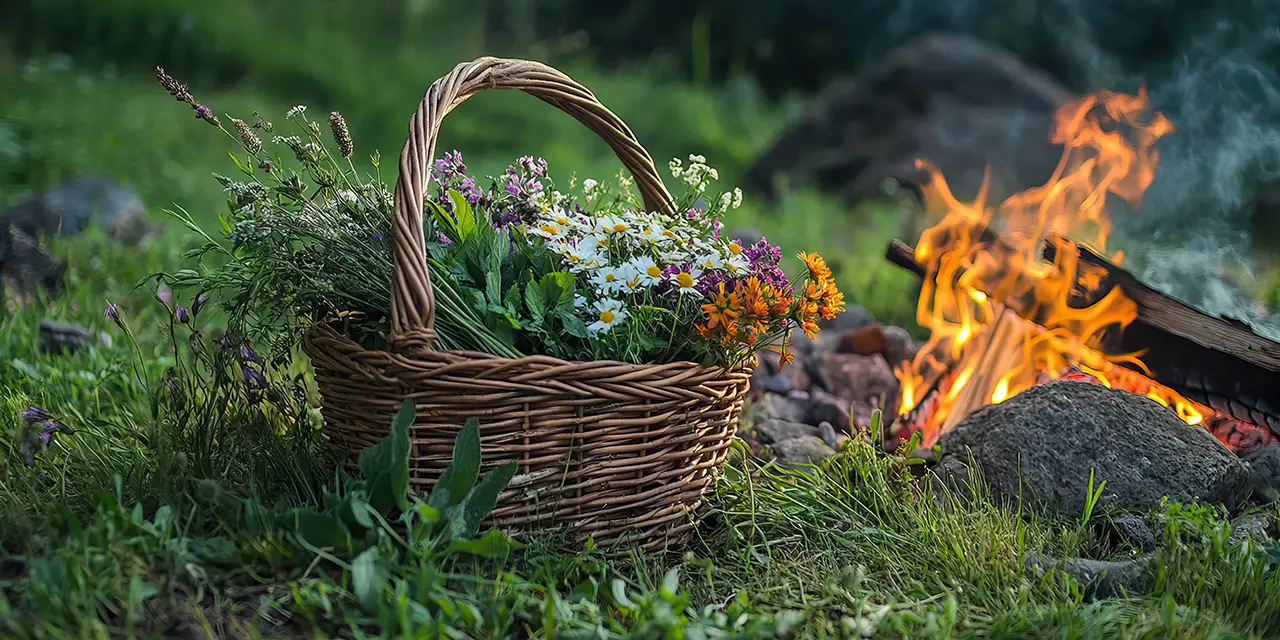
In southern Italy and Greece, the spring gathering of wild greens, known broadly as “horta” in Greek tradition, was a practical weekly task rather than a leisure activity. Women would walk hillsides and field margins with baskets, identifying edible species by sight. The knowledge was intergenerational and deeply specific to place. A plant that grew near one village might not grow near another ten kilometres away.
The food that came from this effort was intensely seasonal and almost completely local in a way that no label or certification scheme could ever replicate. You ate what your specific patch of earth was producing. That was the whole system.
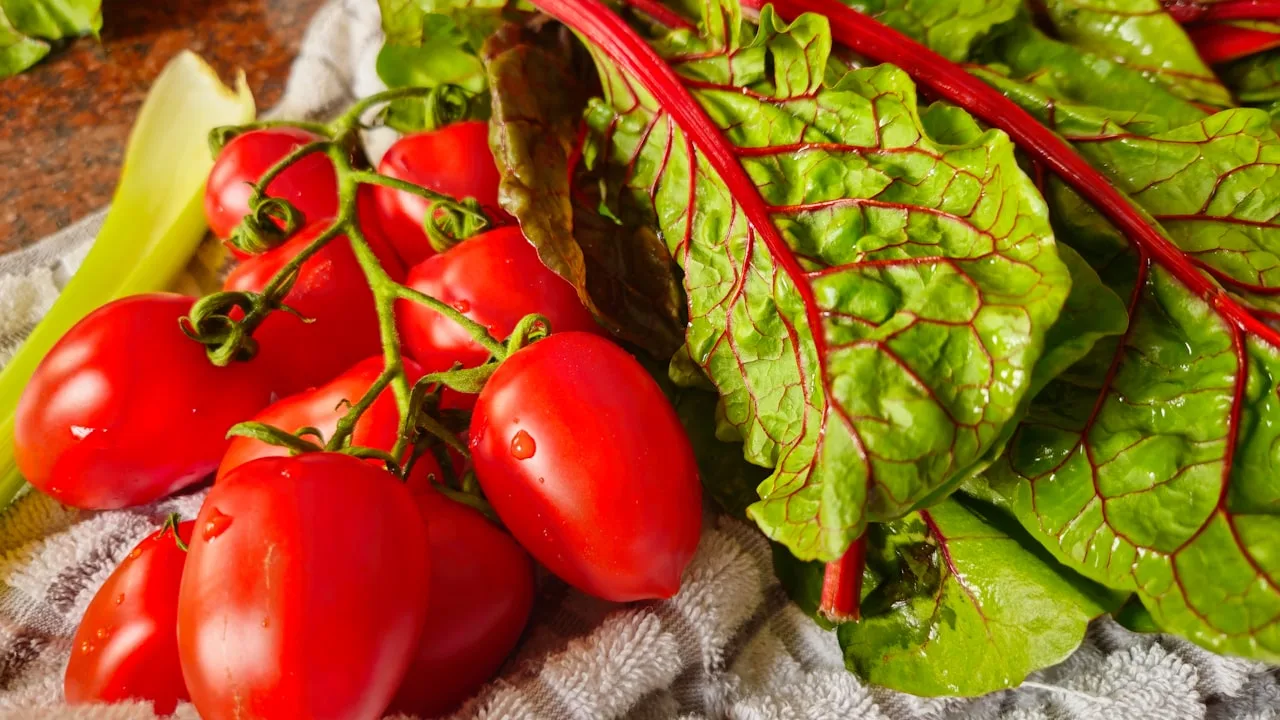
Summer was the productive season, but it was never relaxed. The abundance of tomatoes, courgettes, aubergines, peppers, cucumbers and stone fruits arrived fast and left fast, and the practical priority was always twofold: eat well now, and preserve enough for later. Every household ran a quiet parallel economy of drying, salting, pickling, and bottling.
The concept of “conserva” in Italian tradition, or the various equivalents across Spain, Turkey, and the Levant, was not a hobby project. It was winter insurance. Tomato passata made in August in enormous quantities was the sauce base for February pasta dishes. Dried figs and apricots bridged the hunger gaps that fresh fruit could not fill once the warmth left.
There is a certain clarity in this approach that our current system obscures. When you know that something has a narrow window, you treat it accordingly. A sun-warmed tomato eaten in August in Campania tastes the way it does partly because of soil and climate, but also because you are eating it at the precise moment it exists. That experience simply cannot be replicated with a Dutch greenhouse tomato in January, whatever the packaging says.
Autumn was the hinge point. The olive harvest, grape harvest, chestnut gathering, mushroom season, and the slaughter of animals kept over summer all converged into a few intense weeks. The workload was substantial. The payoff was the foundation of the year’s eating.
Olive oil pressed in November was the fat that cooked everything else for the next twelve months. Wine made in September was on tables by spring. Chestnuts dried and milled became chestnut flour, which in parts of corsica and Tuscany was a staple carbohydrate that substituted for wheat in leaner times. The autumn was not simply harvest; it was the annual act of setting the table for winter.
What is striking about this, viewed from a distance, is how little waste the system generated. Not because of any philosophical commitment to sustainability, but because waste simply was not a viable option. You used everything because you needed everything.
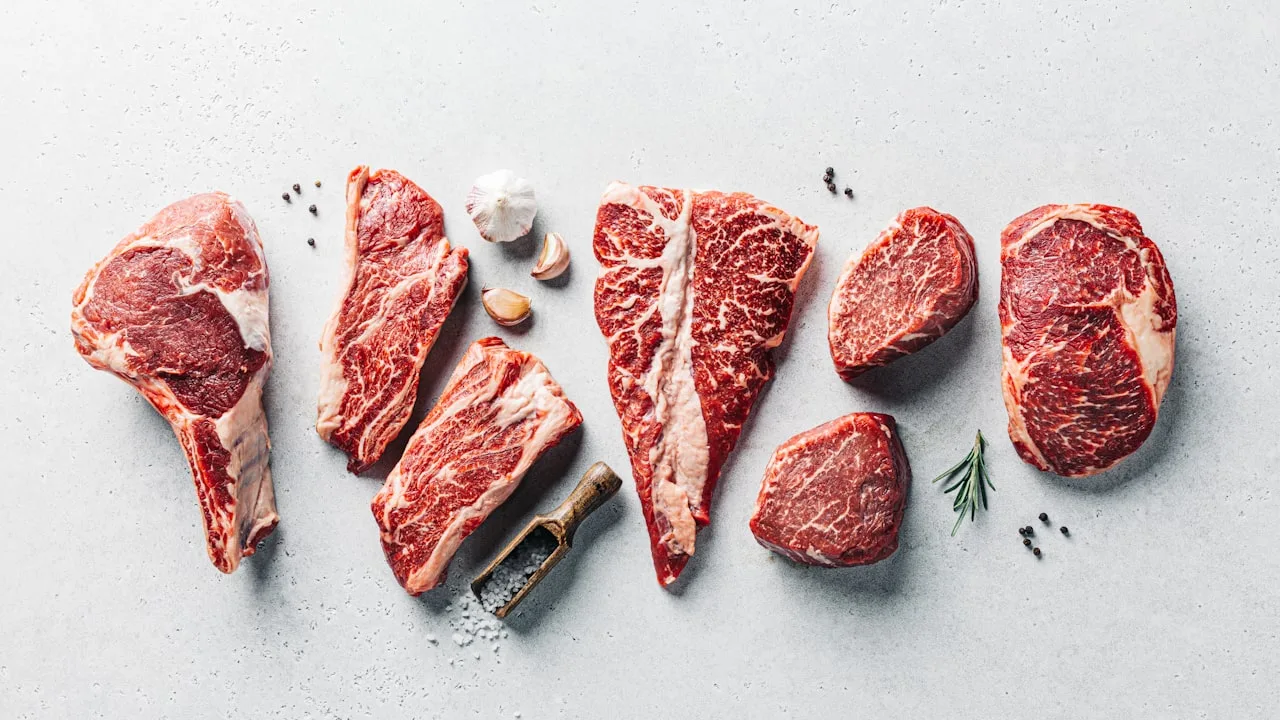
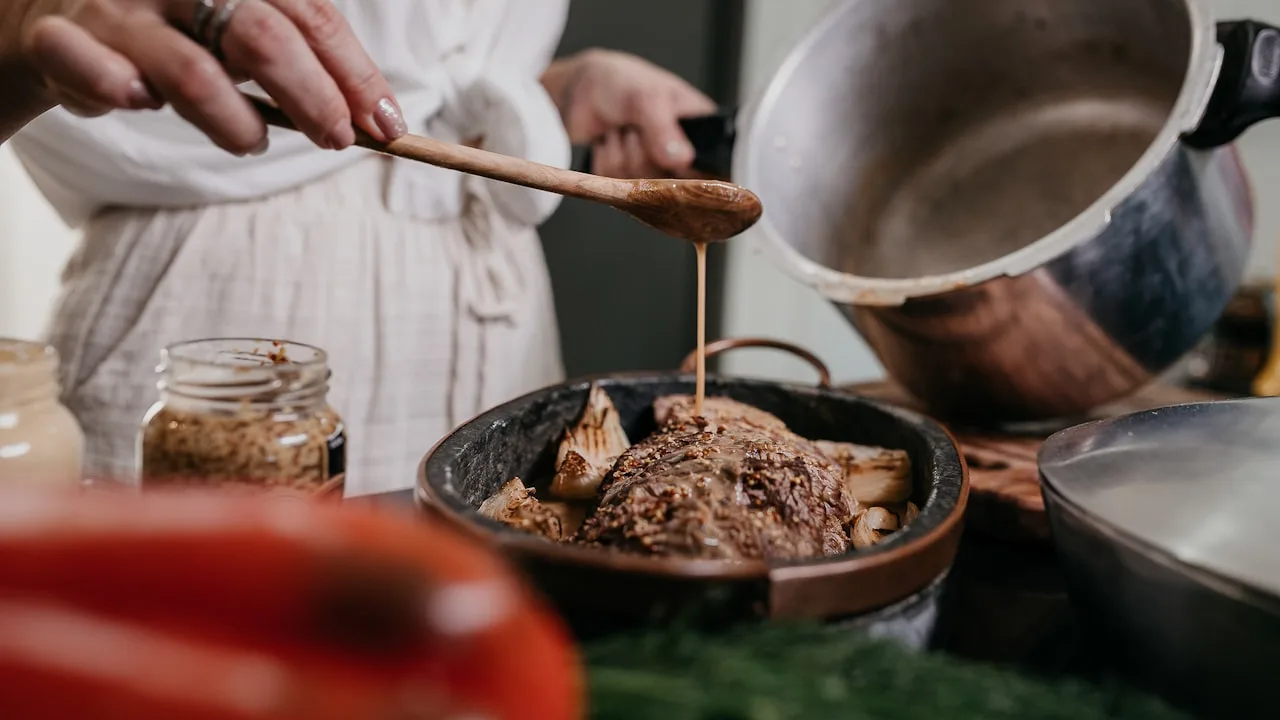
Winter Mediterranean cooking tends to surprise people who associate the region only with salads and grilled fish. The winter kitchen was dominated by slow-cooked legumes, salt-preserved fish, root vegetables, cured meats, and dried herbs. Dishes took hours because there was time and because the ingredients required it. A pot of chickpeas simmered with rosemary and preserved lemon is not a poor meal. It is a very good one, once you stop expecting it to be something else.
The religious calendar reinforced the seasonal one in interesting ways. Orthodox and Catholic fasting traditions, observed seriously across much of the Mediterranean until the mid-twentieth century, effectively codified a plant-heavy diet for significant portions of the year. Whether this was cause or effect is genuinely debatable; the dietary wisdom and the religious practice probably shaped each other over centuries rather than one simply dictating the other.
Either way, the result was a population that ate lightly for extended periods not because of health advice, but because the system, cultural and agricultural combined, pushed naturally in that direction.
The arrival of year-round supply chains did something quietly damaging to how we experience food. It removed the punctuation from eating. When strawberries are available in December and butternut squash appears in April, nothing feels like an arrival. Ingredients become backdrop rather than event.
There is also a nutritional argument here, though it often gets buried in broader debates. Produce picked at peak ripeness and eaten within a short distance of where it grew tends to carry more nutritional density than produce engineered for long shelf life and shipped across continents. The Mediterranean calendar diet was nutritionally coherent partly because it was fresh, varied by necessity, and not designed around what would survive a three-week supply chain.
None of this is a call to abandon modern food infrastructure. Refrigeration and global supply chains have eliminated famines and food insecurity that killed people for centuries. That is not a trivial achievement. But there is a meaningful space between “I have access to everything always” and “I am intentional about what I eat and when.” The old Mediterranean calendar points usefully towards that space.
The practical question is whether any of this transfers to a contemporary kitchen. The honest answer is: partially, and that partial transfer is still worthwhile.
Orienting your cooking around what is genuinely in season in your region, even loosely, reintroduces a form of attention that year-round abundance tends to dull. Buying a glut of summer courgettes and making a batch of pickled courgettes teaches you something about the ingredient, about patience, and about flavour development that no recipe instruction conveys on its own.
More practically, seasonal produce at peak is almost always cheaper, better tasting, and less energy-intensive than its out-of-season equivalent. The old Mediterranean calendar was not built on aesthetics; it was built on efficiency and necessity. Those same efficiencies remain available to anyone willing to pay attention to the rhythm of the year rather than the layout of a supermarket aisle.
The deeper question the Mediterranean food calendar raises is whether eating well was ever really about having more. The evidence suggests it was mostly about timing, attention, and an honest relationship with where you live. That is not nostalgia for hardship. It is a fairly practical observation about what produces flavour, health, and a coherent relationship with food. The supermarket did not replace that wisdom. It just made it easier to ignore.

At Med.kitchen, our passion lies in crafting exceptional culinary experiences through our online platform. We specialise in sharing a wealth of knowledge via articles, recipes, courses, and online mentoring, aiming to inspire both novice and seasoned chefs alike. Our focus has shifted from private dining to being an online source of gastronomic inspiration, allowing you to explore and refine your culinary skills from the comfort of your home..