
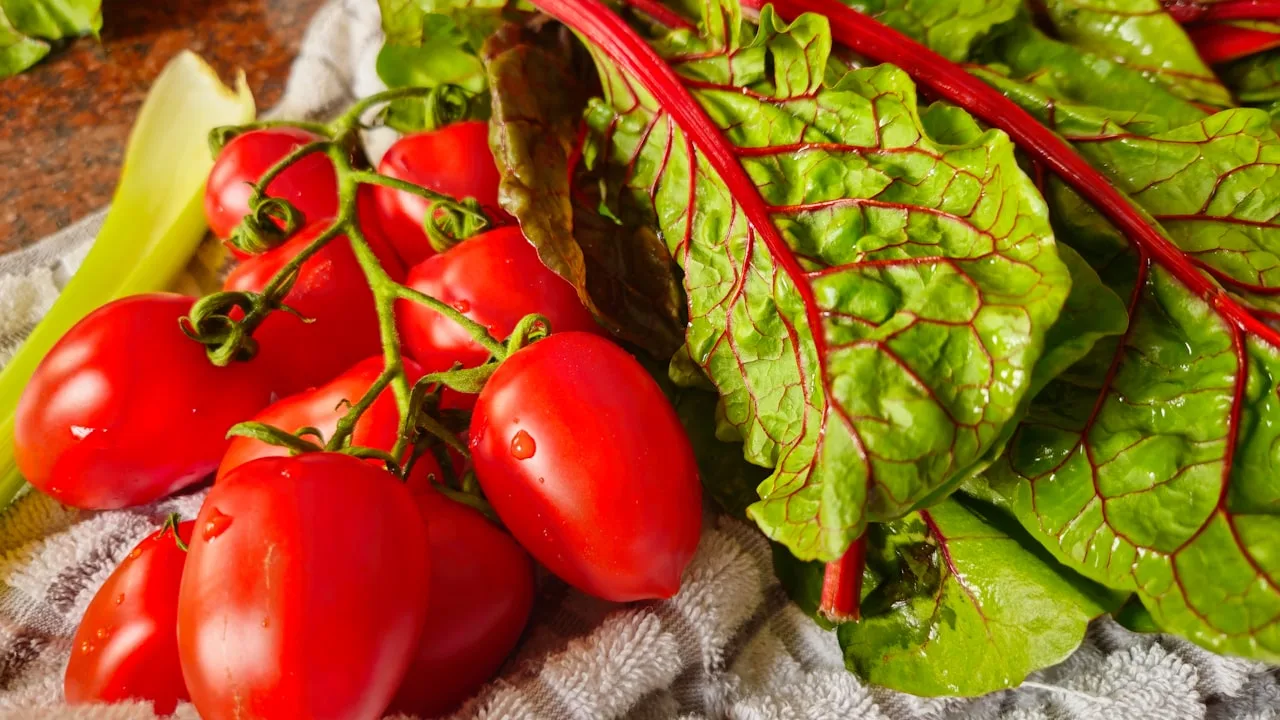
There is something quietly radical about eating a tomato in August and refusing to eat one in February. Not because of ideology, but because of taste. A February tomato, pulled from some distant greenhouse or shipped across continents, is an object lesson in disappointment. It looks like a tomato. It behaves like a tomato. It is emphatically not a tomato in any meaningful sense. The Mediterranean world understood this instinctively, not as a philosophy, but as a lived reality passed down through generations who had no other option.
The seasonal calendar was not a lifestyle choice in traditional Mediterranean culture. It was the structure around which everything else was built. What you cooked, what you preserved, what you celebrated, and even what you feared depended entirely on what the land was doing at any given moment. That relationship has been largely severed in the contemporary kitchen, replaced by the fiction that all foods are available at all times. Which they are, technically. The question is whether that availability constitutes progress or simply a very expensive form of forgetting.
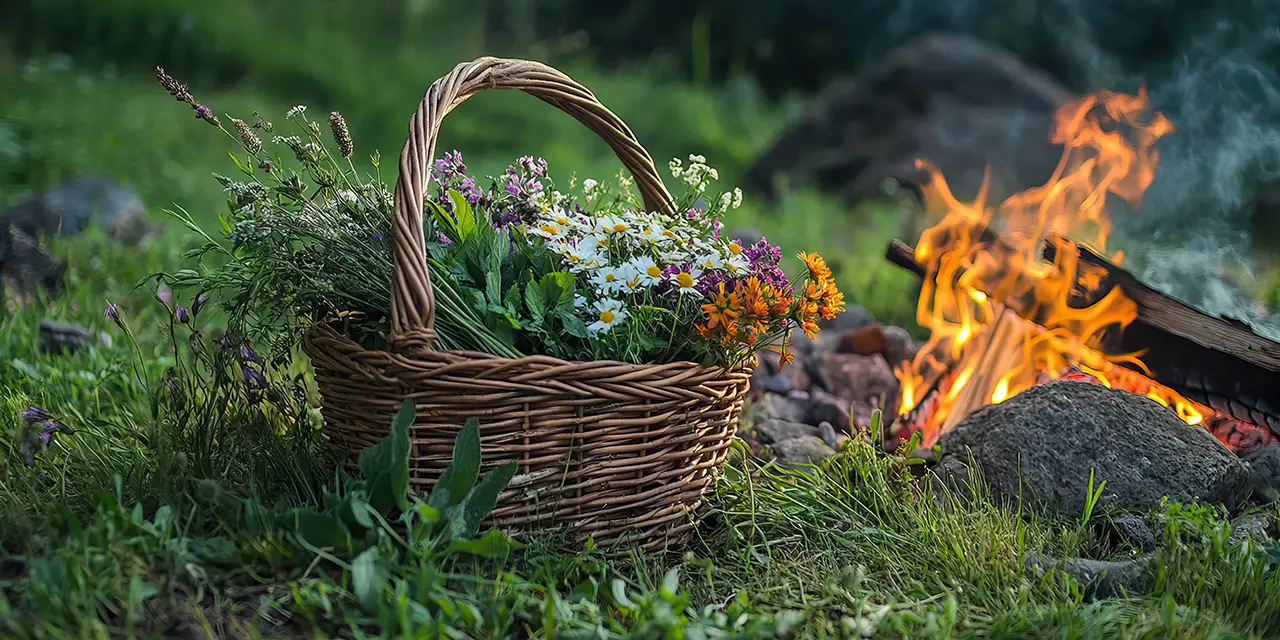
Across the Mediterranean basin, from the coastal villages of Liguria to the sun-cracked plains of Andalusia to the hillside towns of the Peloponnese, the agricultural year followed a rhythm so consistent it became embedded in language, religion, and memory. Spring brought wild greens: chicory, nettles, dandelion, the young shoots that pushed through the thin soil before anything cultivated had a chance. These were gathered, not grown, and they appeared in soups and pies and egg dishes with the reliability of a calendar entry.
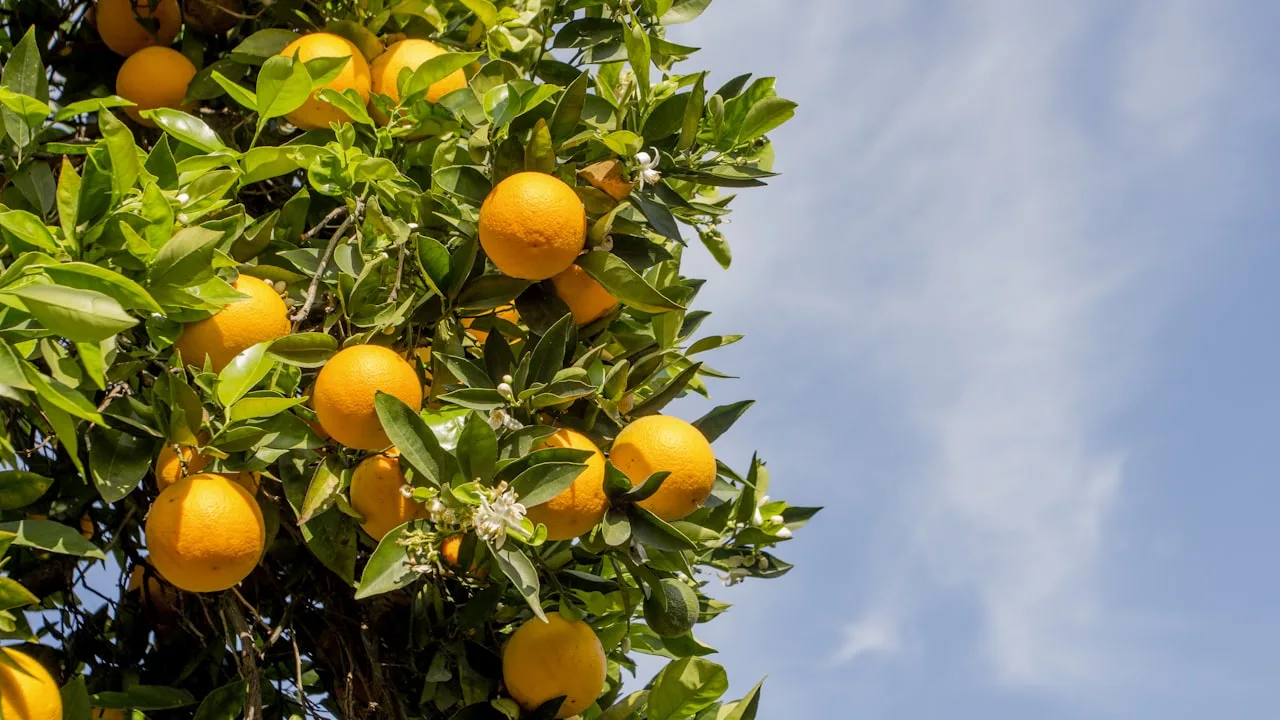
Summer was abundance, but abundance with a deadline. Aubergines, courgettes, peppers, tomatoes, figs, and peaches arrived in rapid succession, each with a narrow window before the heat turned them to mush or the season moved on. The pressure to use them was real. Preservation was not a hobby; it was a necessity. Tomatoes were dried or bottled. Peppers were roasted and stored in oil. Figs were dried on wooden racks in the afternoon sun. Nothing was wasted because waste was unaffordable, both economically and morally.
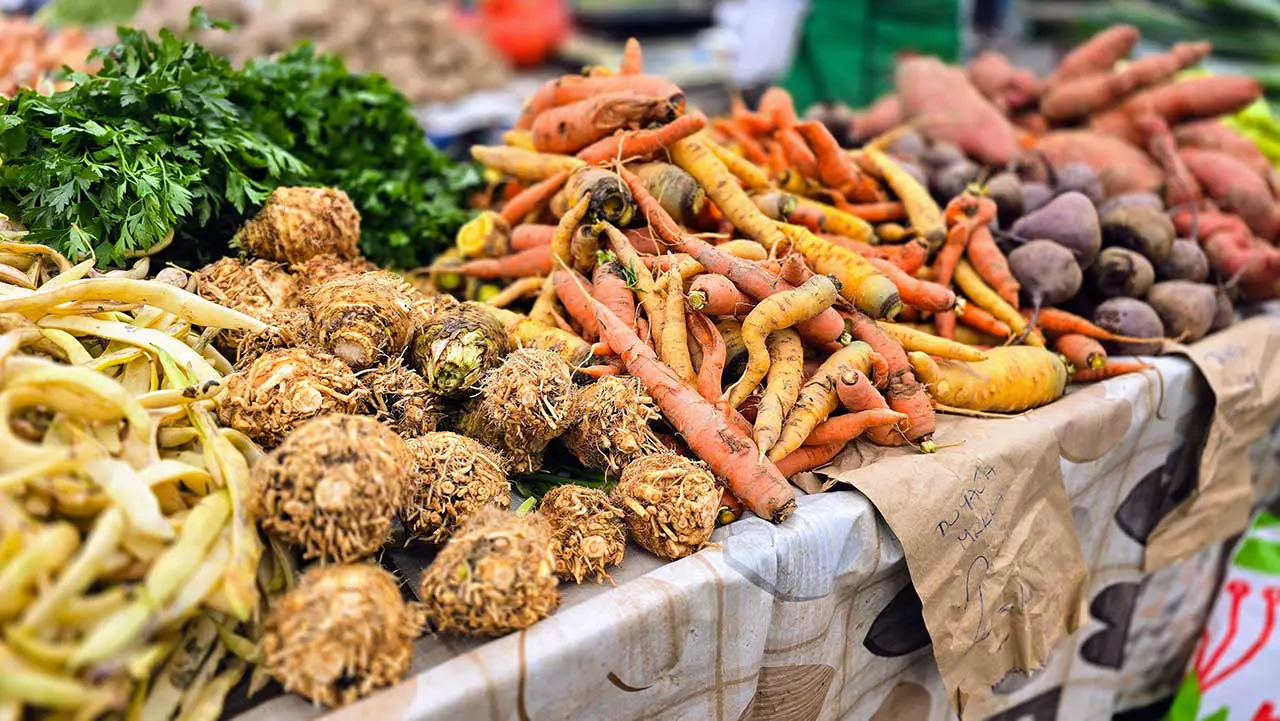
Autumn shifted the register entirely. Olives came down from the trees in October and November, a task that required every available pair of hands and produced oil that would carry the household through until the following harvest. Grapes were pressed. Chestnuts were gathered in mountainous regions where they had fed populations through lean winters for centuries. The pace slowed, but the work deepened. Winter, by contrast, was the season of legumes, preserved meats, dried herbs, and whatever root vegetables had been stored against the cold.
There is a temptation to romanticise this calendar, to picture it as some golden pastoral idyll in which wise peasants lived in perfect harmony with the earth. The reality was considerably harder. Food insecurity was endemic. Bad harvests were not inconvenient; they were catastrophic. The reason Mediterranean peasant cooking is so ingenious, so full of clever techniques for extracting flavour from almost nothing, is precisely because nothing was ever guaranteed.
Yet scarcity, paradoxically, produced a kind of culinary intelligence that abundance tends to erode. When you have only dried beans, yesterday’s bread, a little olive oil, and some wilting greens, you learn very quickly how to coax maximum flavour from each one. You learn which flavours support each other, how heat changes texture, and why patience, long slow cooking, matters more than technique. The Mediterranean pantry was built on this intelligence, accumulated over centuries of making do and discovering, often by accident, that making do could produce something genuinely beautiful.
The ribollita of Tuscany, literally “reboiled,” is a dish built from leftovers of leftovers. Greek fasolada, a simple white bean soup, was considered the national dish not despite its simplicity but because of it. Spanish cocido, a slow-cooked chickpea stew, carried entire communities through winter on very little. These are not poverty foods dressed up for modern restaurant menus. They are the logical outputs of a system in which ingredients were finite, seasonal, and precious.
Cooking by the season meant cooking with a sense of time. Not just the time on a clock, but the larger time of the year, the arc from planting to harvest, from abundance to scarcity and back again. This produced a kind of patience that is difficult to cultivate when everything is always available. If you know you will only taste fresh figs for three weeks a year, you pay attention to them differently. You eat them slowly. You remember them. You look forward to them in a way that has no equivalent when figs appear, slightly waxy and vaguely scented, in supermarkets every month of the year.
The calendar also created a structure for flavour development across the year. Spring dishes were lighter, more astringent, built on the bitter greens that cleanse the palate after winter’s heavier fare. Summer cooking was fast, bright, and high in acid, because the ingredients demanded it and because the heat made long cooking unbearable. Autumn was rich and earthy, the season for mushrooms, game, and the first pressing of olive oil. Winter asked for depth, for slow braises, for the smoky warmth of dried legumes cooked with aromatics over several hours.
This was not accidental. It was a form of nutritional intelligence encoded in cultural habit. The bitter spring greens provided vitamins after months of preserved food. The fermented and pickled foods of autumn and winter supported gut health. The olive oil, consumed in quantities that would alarm a modern cardiologist schooled only in saturated fat, provided the fats and fat-soluble nutrients the diet required. The pattern worked because it had been refined over a very long time by people who could not afford for it not to work.
The twentieth century dismantled this calendar with remarkable efficiency. Refrigeration, global logistics, industrial agriculture, and the rise of the supermarket created a food environment in which seasonality became optional rather than structural. This was, in many respects, a genuine improvement. Food security increased. The risk of genuine winter hunger in developed nations effectively disappeared. Choice expanded beyond anything previous generations could have imagined.
But something was lost in the transaction, and it was not merely nostalgia. The loss was structural. When you remove the seasonal constraint, you remove the forcing function that made cooks creative, that made ingredients precious, that made meals meaningful within a larger temporal context. You also, incidentally, tend to remove flavour. Produce grown for year-round availability and long-distance transport is bred for durability, not taste. It survives the journey. Whether it deserves to arrive is another question.
The Mediterranean diet, as it tends to be discussed in nutritional science, is often reduced to a list of ingredients: olive oil, fish, legumes, vegetables, moderate wine. What gets less attention is the temporal architecture that originally surrounded those ingredients. The seasonality, the preservation techniques, the patterns of feast and fast, the relationship between the kitchen and the agricultural cycle. Strip those out and you have a shopping list, not a food culture.
Nobody is seriously suggesting we return to a pre-refrigeration existence. The point is not to recreate historical hardship but to borrow its intelligence. Cooking with the season, even loosely, even imperfectly, reintroduces a rhythm that tends to improve both what you cook and how you think about it. It gives the year a flavour structure. It makes you a more attentive cook because attention is required when the window is short.
Practically, this means learning what actually grows near you and when. It means making the January braised chickpeas as enthusiastically as the August tomato salad. It means accepting that some things taste better at certain times and worse at others, and organising your cooking around that reality rather than against it. It means, occasionally, eating something imperfect and local instead of something perfect and shipped from elsewhere.
The Mediterranean calendar was not a rigid prescription. It was a living system, adapted by each family and each village to local conditions, local soils, local microclimates. Its intelligence lay not in its rules but in its responsiveness. The deeper question, perhaps, is whether a generation raised on permanent abundance can develop that kind of responsiveness without the pressure of scarcity to sharpen its instincts.

At Med.kitchen, our passion lies in crafting exceptional culinary experiences through our online platform. We specialise in sharing a wealth of knowledge via articles, recipes, courses, and online mentoring, aiming to inspire both novice and seasoned chefs alike. Our focus has shifted from private dining to being an online source of gastronomic inspiration, allowing you to explore and refine your culinary skills from the comfort of your home..