
TL;DR: Bottarga is cured fish roe, celebrated from sardinia to Tokyo. Mojama is salt-dried Tuna loin from southern Spain — equally extraordinary but far less known. Both are Mediterranean masterclasses in curing, separated more by geography and marketing than by quality.
Bottarga and mojama are two of the Mediterranean’s finest salt-cured fish products, yet one sits comfortably on restaurant menus from London to Tokyo while the other remains a quiet secret, largely unknown beyond the coastal towns of southern Spain where it has been made for centuries.
That asymmetry is worth examining. Not because one is better than the other, but because what separates a celebrated delicacy from an overlooked one often has very little to do with quality and rather more to do with geography, marketing, and the particular food cultures that managed to export their tastes outward. Both products are extraordinary. Both deserve a proper introduction.
Bottarga is cured fish roe, typically from grey mullet or bluefin Tuna. The roe sac is removed intact, salted, pressed, and dried until it becomes a dense, amber-coloured block with an intense, briny, umami-forward flavour. It is most commonly grated over pasta or thinly sliced and eaten with olive oil and bread. Italy is its spiritual home, particularly sardinia and sicily, though similar versions exist across the Mediterranean.
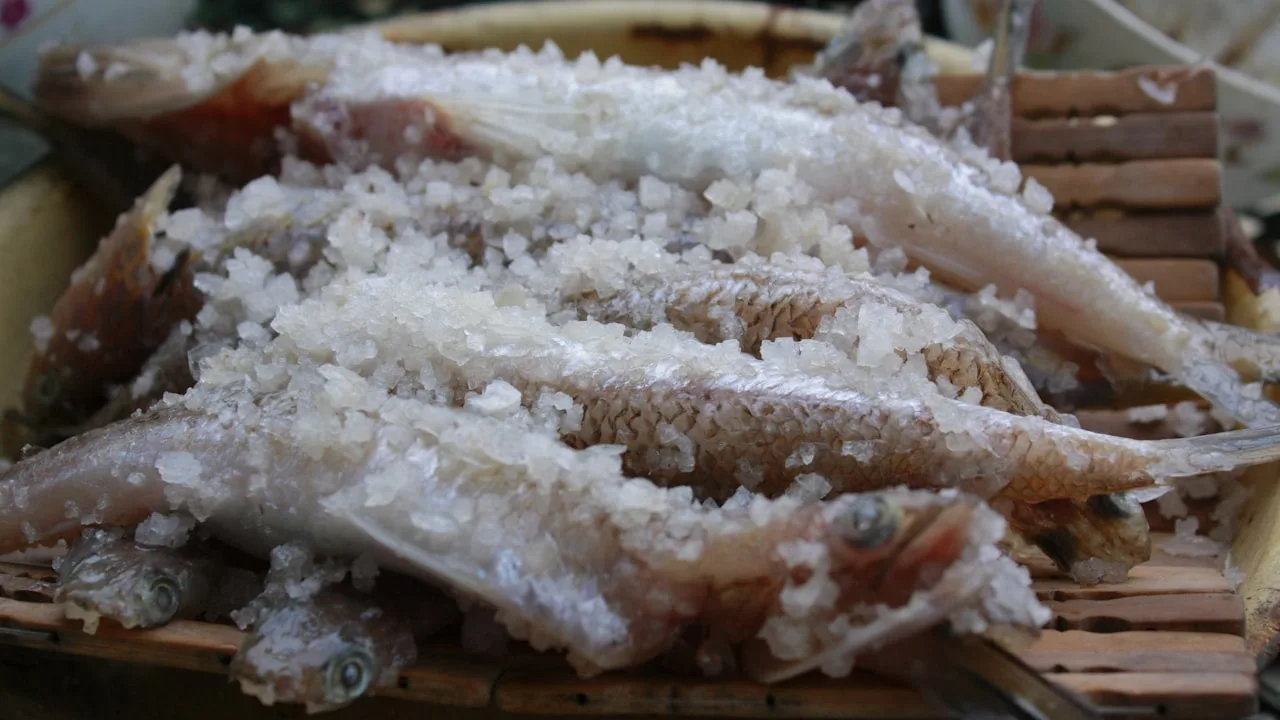
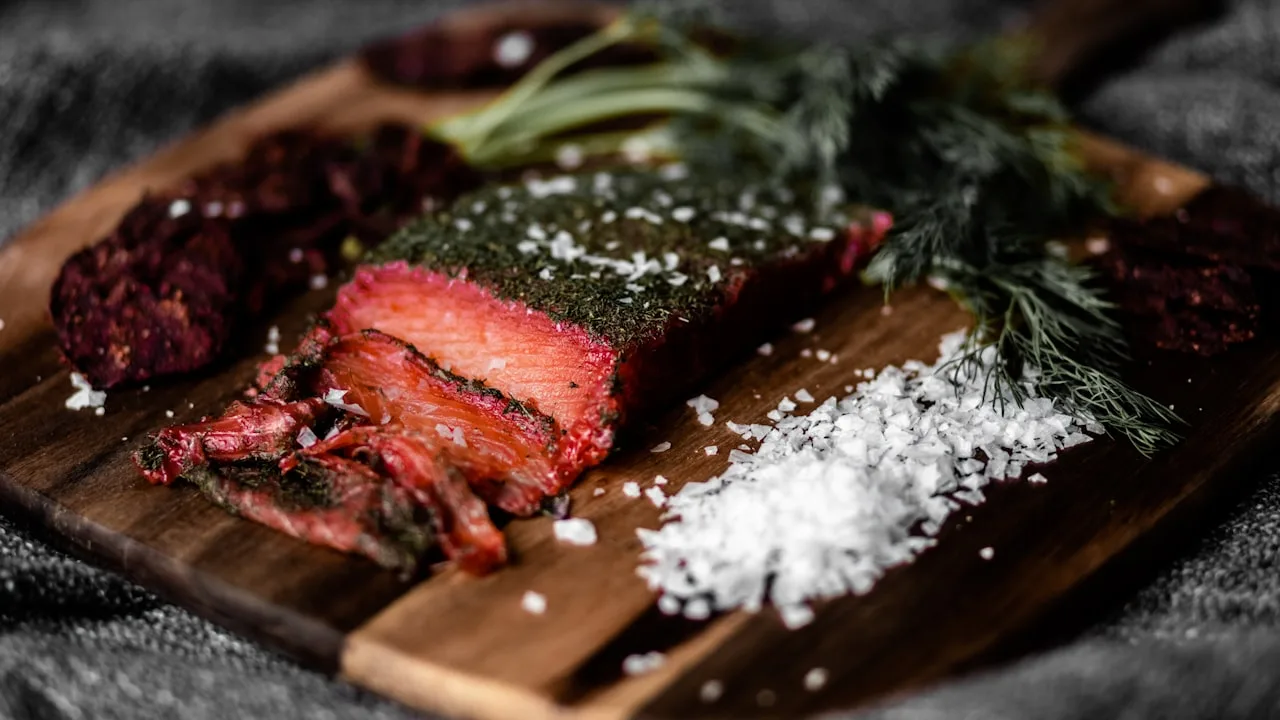
Mojama, by contrast, is cured tuna loin. Not roe. Not offal. The actual muscle of the fish, most traditionally bluefin or yellowfin tuna, is salted, rinsed, and left to air-dry for weeks until it firms into something resembling a deep burgundy-coloured slab, dense and chewy with a flavour that is simultaneously oceanic, savoury, and faintly sweet. Traditional Spanish cured tuna of this kind originates in Andalusia, particularly around the towns of Barbate and Isla Cristina on the Atlantic coast.
So the comparison is not simply one product against another. It is fish roe versus fish muscle, Sardinia versus Andalusia, international profile versus local devotion.
The process behind this Italian bottarga guide begins in the fishing season, when roe sacs are carefully extracted from the fish without puncturing the membrane. Any tear would compromise the entire batch. The sacs are then coated generously in sea salt and left to cure for a period ranging from a few weeks to several months, depending on the producer and the desired intensity of flavour.
After salting, the sacs are pressed under weighted boards. This step is important. Pressing expels moisture and encourages the dense, uniform texture that makes bottarga sliceable rather than crumbly. The pressed roe is then hung or laid flat to dry in cool, well-ventilated conditions. The finished product has a waxy coating on the exterior, either from the natural casing or an added beeswax seal, which protects it during storage.
Grey mullet bottarga tends to be more delicate and golden in colour, while tuna bottarga is darker, firmer, and more assertively flavoured. Both are intensely savoury in a way that is hard to describe without resorting to the somewhat overused word “umami,” but there it is. Grated over spaghetti with a little butter or olive oil, either version transforms a simple dish into something that tastes considerably more considered than it has any right to.
The name mojama likely derives from the Arabic word “musama,” meaning dried. This is not a coincidence. The Moors brought the technique to Iberia during their centuries of presence in southern Spain, and the practice has remained largely unchanged since. That lineage alone ought to command more respect than mojama typically receives outside the region.
To make mojama, the loins of large tuna are trimmed and buried in sea salt for around two days, sometimes slightly longer depending on the thickness of the cut. They are then rinsed thoroughly to remove the salt, patted dry, and hung in the open air to cure over several weeks. The drying happens slowly, in the coastal breeze, and the result is a product with a deeply concentrated flavour and a texture somewhere between prosciutto and smoked salmon, though drier and more mineral than either.
The best mojama is typically sliced paper-thin and served simply: a drizzle of good olive oil, a handful of almonds, perhaps some tomato. It does not need embellishment. In fact, over-dressing it is something of an insult to the craft that went into making it.
What strikes you when you look at salt-cured fish Mediterranean traditions broadly is how consistent the underlying logic is. Salt draws moisture out. Drying concentrates flavour. Time does the rest. Whether you are in Cagliari, Tunis, or Barbate, the fundamental technique has not changed much since the Phoenicians were trading salted fish across the same sea thousands of years ago.
What has changed is the trajectory of each product’s reputation. Bottarga benefited from Italy’s outsized cultural influence on global food trends. Italian restaurants proliferated across the world, and with them came the ingredients and vocabulary of Italian cooking. Bottarga arrived in London and New York kitchens on the back of that momentum.
Mojama did not have the same vehicle. Spanish cuisine has had a significant global moment, largely thanks to the fine dining revolution of the early 2000s, but that wave was driven by technique and innovation rather than pantry staples. Mojama, a product that asks you to slow down, eat simply, and pay attention, did not fit neatly into that narrative. So it stayed home.
Bottarga is sharper on the palate, particularly the tuna variety. It has a salinity that hits quickly and a lingering depth that sits at the back of the throat. Grey mullet bottarga is softer, more approachable, with a slightly sweeter finish. Both grate well and melt into warm pasta with remarkable ease.
Mojama is slower. You chew it, and the flavour develops in stages. There is salt first, then a rich meatiness, then something almost nutty at the end. It has more in common texturally with aged charcuterie than with most fish products, which is perhaps why people who are generally cautious about cured fish often find it more approachable.
Used together, they would be a considerable statement of intent on any cheeseboard or antipasto plate. They share enough DNA to make sense alongside each other, but the contrast in texture and application keeps things interesting.
The honest answer to why mojama remains relatively unknown outside Spain is not that it is inferior. Anyone who has eaten good mojama from Barbate knows that it is the equal of almost anything you can put on a plate. The reason is distribution, storytelling, and the particular food cultures that got there first.
There are signs of change. Spanish delis and specialist food importers in the UK have begun stocking it with more consistency over the past few years. Chefs who spent time in Andalusia have brought it into their menus, occasionally. It appears at food markets alongside jamón and Manchego, which is at least a start.
But mojama still lacks the casual familiarity that bottarga enjoys. Most people picking up a block of bottarga at a good Italian deli have at least a rough idea of what to do with it. Mojama tends to require an explanation, and that extra step, however small, is enough to put some buyers off. The product itself is not the barrier. The story around it simply has not been told loudly enough yet.
Mojama is a traditional Spanish cured tuna product made by salting and air-drying the loins of large tuna, typically bluefin or yellowfin, over several weeks. It originates in Andalusia and has roots in Moorish food preservation traditions dating back many centuries. The result is a firm, intensely flavoured cured fish that is most commonly served thinly sliced with olive oil and almonds.
The key difference is what part of the fish is used. Bottarga is made from the roe sac, cured and pressed into a dense block, whereas mojama uses the muscle loin of the tuna. Bottarga is typically grated or shaved over food; mojama is sliced like charcuterie. Both are salt-cured fish Mediterranean products, but they have very different textures, flavours, and culinary applications.
Not easily. They behave quite differently. Bottarga grates well and dissolves into warm fats, which makes it ideal for pasta. Mojama is too firm and muscular for that purpose. Where you might use mojama is anywhere you would serve cured meat, thin-sliced as part of a cold plate. They are complementary rather than interchangeable.
Specialist Spanish food importers and delis are the most reliable source. Some online retailers now stock it, particularly those focused on Iberian pantry goods. It is less widely available than bottarga, but the situation has improved noticeably in recent years. If you find a good supplier, buy more than you think you need. It keeps well and you will use it.
The deeper question here is how many other products like mojama exist, quietly extraordinary, technically impeccable, carrying centuries of craft and regional identity, but simply lacking the storytelling infrastructure to reach a wider audience. The Mediterranean is full of them. Perhaps the more interesting project is not choosing between bottarga and mojama, but asking what else we have been missing.

At Med.kitchen, our passion lies in crafting exceptional culinary experiences through our online platform. We specialise in sharing a wealth of knowledge via articles, recipes, courses, and online mentoring, aiming to inspire both novice and seasoned chefs alike. Our focus has shifted from private dining to being an online source of gastronomic inspiration, allowing you to explore and refine your culinary skills from the comfort of your home..