
TL;DR: A USDA grade measures one thing, how marbled the meat is. It says nothing about breed, diet, how the animal was raised, or whether the kitchen chose the right cut and cooked it well. On a Maltese menu it is used as shorthand for “premium”, but it is a narrow, voluntary, American classification, not a quality guarantee. Ask where the beef came from and how it was raised. Judge the food, not the sticker.
You will have seen it. A steak listed with four letters after it, USDA, printed as though they settle the question of quality before you have even ordered. In Malta, that label turns up on menus as a kind of shorthand for “this is the good stuff”. It is worth understanding what those letters actually certify, because it is a good deal less than most diners assume, and knowing the difference will make you a better judge of what lands on your plate.
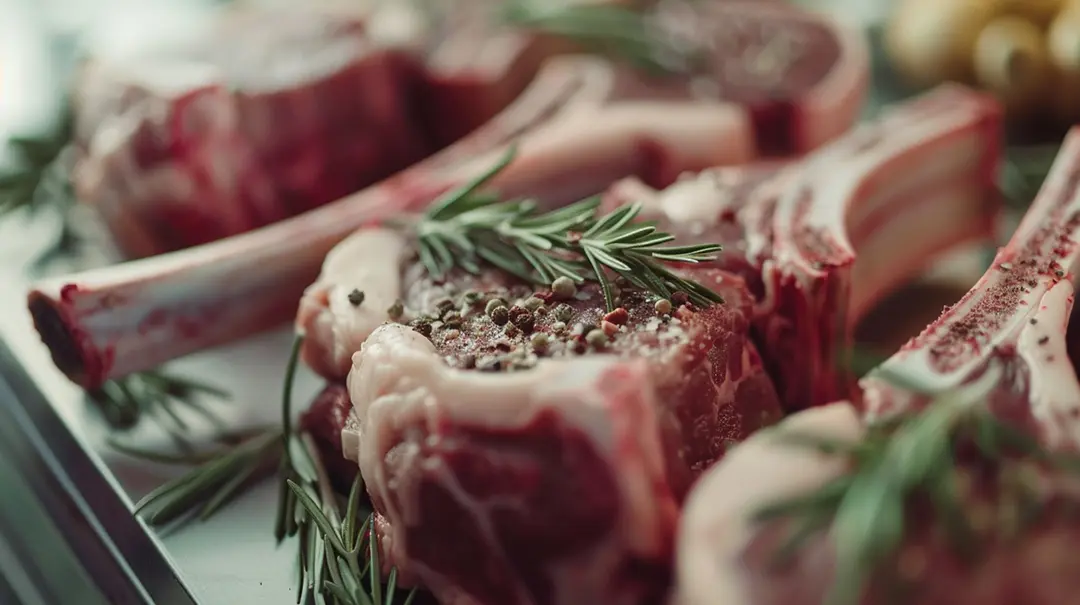
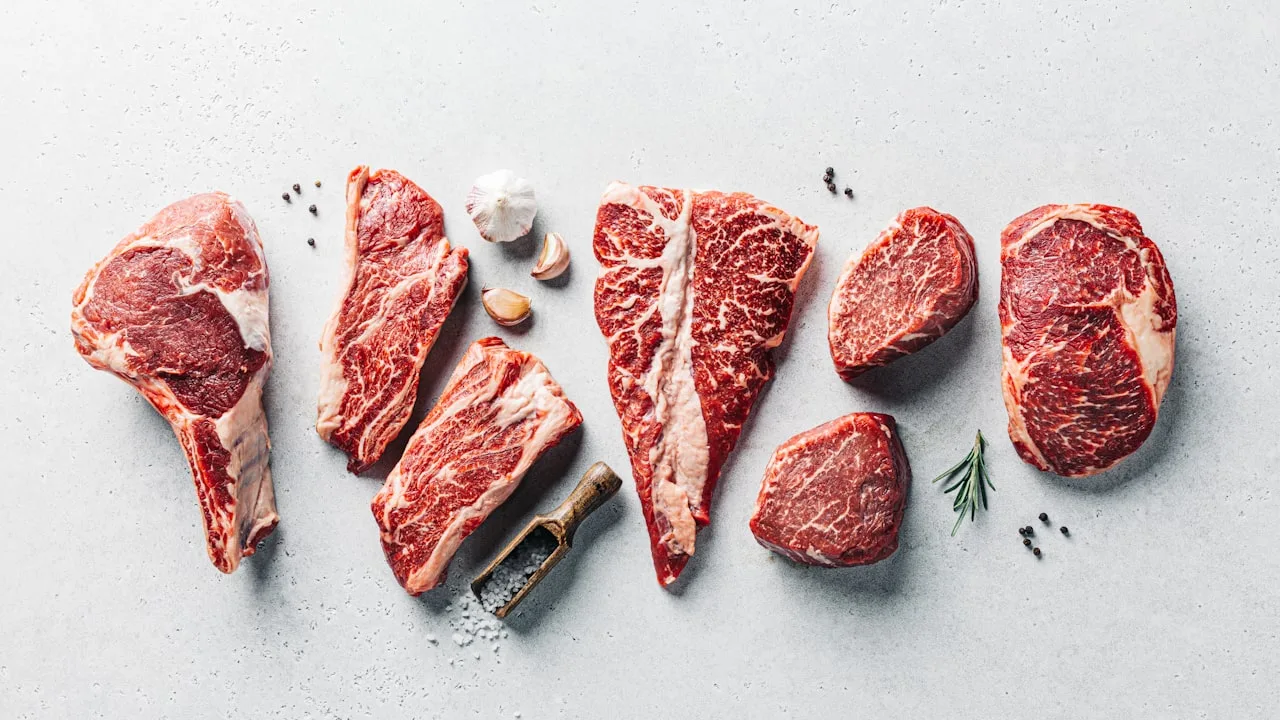
The USDA grade you see quoted, most often Prime or Choice, measures one specific thing: how marbled the meat is, alongside the maturity of the carcass. That is a real, consistently applied measure, and there is nothing wrong with it as far as it goes. But look at how narrow it is. It says nothing about the breed of the animal. Nothing about what it was fed. Nothing about how it was raised or finished. Nothing about how fresh the cut is, how it was aged, or, crucially, whether the kitchen in front of you chose the right cut for the dish and cooked it properly.
A beautifully marbled piece of beef, handled without care, is still a disappointing plate of food. The grade is a starting point, not a guarantee. And when a label designed to describe fat content gets waved around as proof of overall quality, something has been lost in translation between the packing plant and the menu.
There is a second thing worth knowing. That grade is voluntary. An American processor chooses whether to have its beef graded and pays for the service. So the label is not a regulator imposing a standard on a reluctant industry. It is a classification the industry buys when it helps to sell. None of that makes it dishonest. It simply makes it a narrower, more commercial thing than the word “USDA” implies when it is standing in for “premium” on a menu in Gozo or Valletta.
The far more useful question is one you will almost never see printed anywhere: where did this animal come from, and how was it raised?
That single piece of information tells you more about how a steak will eat than any grade ever could. And it points to a genuine difference in philosophy between beef-producing traditions, one that a marbling score papers over entirely.
Here we will be honest that we are stating a preference rather than a law of nature. We would take well-raised, grass-fed beef from Ireland, Scotland or Northern Europe, from farms that take animal husbandry seriously, over intensively finished feedlot beef, and we think it eats better for it.
A cow is a ruminant. Its four-chambered stomach exists to turn grass into food, slowly, over a life spent grazing. Beef raised that way tends to be leaner, firmer, more mineral, with a depth of flavour that comes from an animal that actually lived as a grazing animal. It varies from farm to farm and season to season, and we count that variation as a virtue rather than a fault. Intensive grain-finishing produces a different result: softer, milder, more uniformly marbled, engineered for consistency. Plenty of people prefer exactly that, and they are not wrong to. But it is a different animal, raised a different way, for a different set of qualities.
Where we hold a firmer view, and we will own it as a view, is that a grazing animal belongs on grass, and that how an animal is raised is part of what “quality” ought to mean, not a detail to be left off the menu in favour of a classification about fat.
None of this is a reason to distrust every steak with an American label on it. It is a reason to read the menu differently.
Treat “USDA” as one piece of information, not the whole story. If a restaurant is proud of its beef, ask where it comes from and how it was raised. A kitchen that knows, and cares, will be glad to tell you. A kitchen that only knows the label may be repeating a marketing signal it has never examined. Either way, you will have learned something more useful than four letters can carry.
Judge the food, not the sticker. Ask about provenance. And trust your own palate over any classification printed to impress you. That is the whole of it.
Not in the way most diners assume. A USDA grade such as Prime or Choice measures marbling and the maturity of the carcass, nothing more. It says nothing about the breed, the diet, how the animal was raised, or how fresh the cut is. It also cannot tell you whether the kitchen chose the right cut for the dish or cooked it properly. It is one narrow measure, not an overall quality guarantee.
No. Grading is voluntary. The American processor chooses whether to have its beef graded and pays the USDA for the service. It is a classification the industry buys when it helps to sell the product, rather than a standard imposed on every carcass. Safety inspection is the mandatory part; the quality grade you see quoted on a menu is separate and optional.
Because the label carries an aura of premium quality that helps sell a dish. In many cases the restaurant is repeating a marketing signal without examining what it actually certifies. That is not necessarily dishonesty, but it does mean the four letters are doing more persuasive work on the menu than they do on the meat.
That depends on what you value, and it is partly a matter of taste. Grass-fed beef from Ireland, Scotland and Northern Europe tends to be leaner, firmer and more mineral in flavour, with more natural variation. Grain-finished feedlot beef is softer, milder and more uniformly marbled. Many cooks, ourselves included, prefer well-raised grass-fed beef on both flavour and ethical grounds, but that is a preference rather than a proven fact.
Ask where the beef comes from and how it was raised, rather than relying on a grade. A kitchen that is proud of its beef will be glad to tell you its provenance. A kitchen that can only quote the label may not know much beyond it. Provenance, where the animal was raised and on what, tells you more about how a steak will eat than any classification printed to impress you.

At Med.kitchen, our passion lies in crafting exceptional culinary experiences through our online platform. We specialise in sharing a wealth of knowledge via articles, recipes, courses, and online mentoring, aiming to inspire both novice and seasoned chefs alike. Our focus has shifted from private dining to being an online source of gastronomic inspiration, allowing you to explore and refine your culinary skills from the comfort of your home..