
TL;DR: Wild yeast water uses naturally occurring yeast found on fruit, flour, and in the air to raise bread. It takes patience, but the result is a deeper, more complex loaf that stands apart from anything made with a commercial sachet.
Making bread with wild yeast water is not complicated, but it does ask something of you: patience, attention, and a willingness to slow down and let nature do most of the work.
Bread has always struck me as quietly remarkable. Strip it back to its essentials, flour, water, salt, and a raising agent, and you have one of the oldest foods in human history. Simple on the surface, but the chemistry underneath is genuinely fascinating. The raising agent is where all the real action happens, and it comes in several forms: yeast, chemical leaveners, dairy acids, or mechanical aeration. Each one works differently, and each carries a faint air of magic that, even now, I find hard to take for granted.
Recently, a conversation nudged me back towards a technique I had not revisited in some time. It sits just one step beyond standard bread-making, but that one step makes a considerable difference. It is the difference between a loaf that is perfectly good and one that stops people mid-bite.
Here is the thing about yeast that tends to surprise people: it is not something you need to go looking for. It is already here. It lives on the surface of most fruits, it is present in flour, and it drifts about in the air around us. It is drawn to sugar, which is why fruit is such a reliable host. The less processed your flour, the more native yeast it tends to carry. This is not esoteric knowledge; it is just biology that most of us have been conditioned to ignore.
Cultivated baker’s yeast, the kind that comes in a foil sachet or a small tin, has only been commercially available since 1927. Before that, bakers worked with what they had: starters, poolishes, levains, bigas, barms, and sourdoughs. These are all variations on the same principle: you cultivate wild yeast from your environment and use it to leaven your bread. The flavour you get from these methods is categorically more interesting than anything a commercial sachet produces. Convenience replaced complexity, and most of us lost something in that trade.
A quick note on terminology, since these words get used loosely. A starter is a live culture of wild yeast and bacteria maintained with regular flour and water feeds. A levain is a portion of that starter prepared specifically for a bake. A poolish is a wet pre-ferment using commercial yeast. Yeast water is something slightly different again, and it is the focus here.
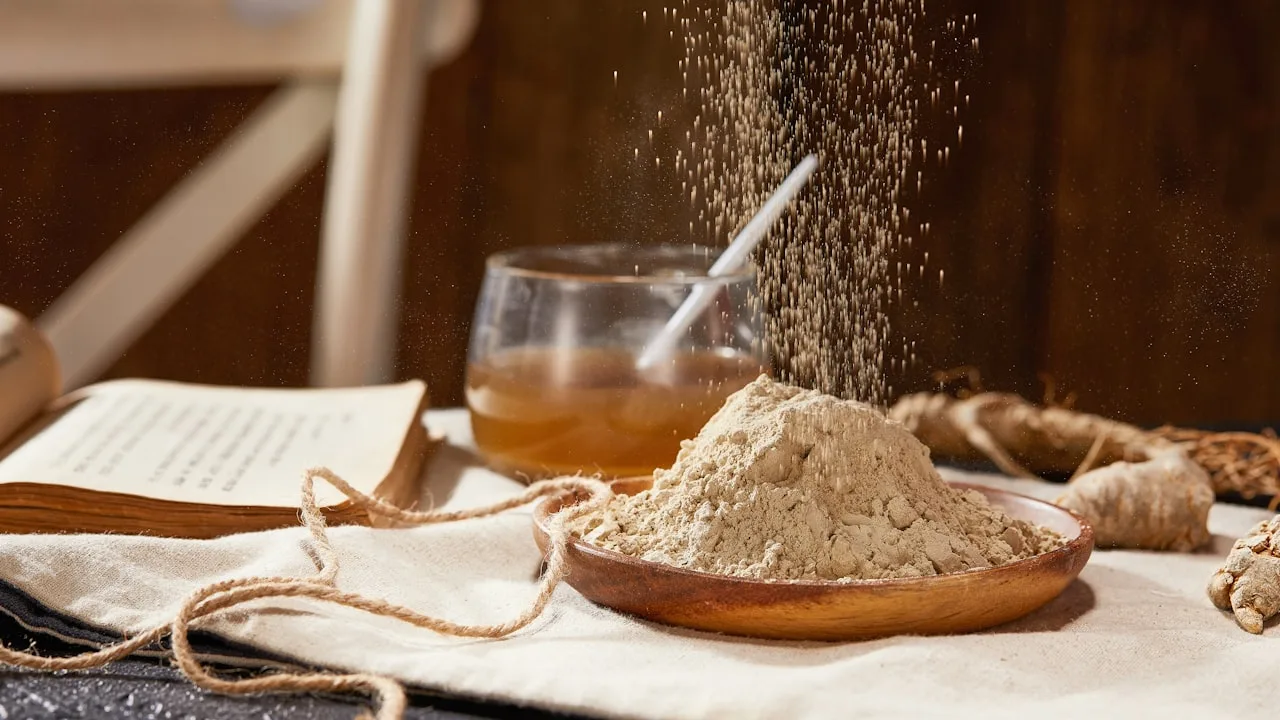
Yeast water is exactly what it sounds like: water in which wild yeast has been cultivated, typically using dried fruit as the sugar source. The yeast that lives naturally on the fruit ferments into the water over several days, producing a lively, flavourful liquid that can then be used to build a starter or, in some cases, added directly to a dough.
The flavour contribution is the real argument for going to this effort. Yeast water starters carry a complexity and depth that you simply cannot replicate with commercial yeast. There is a subtle fruitiness, a rounded acidity, and a warmth that comes through in the finished loaf in a way that is difficult to describe but immediately recognisable once you have tasted it.
The obvious question is which fruit to use. Most fruits will work in principle, but fresh fruit brings a seasonal limitation that makes consistency difficult. You want something you can rely on all year round, and dried fruit solves that problem neatly. It is also more concentrated in sugar, which gives the yeast more to work with and tends to produce a faster, more vigorous ferment.
Dried grapes are particularly well suited to this. Winemakers have known for centuries that the dusty bloom on a grape’s skin is not dust at all; it is a natural layer of wild yeast. Sultanas and raisins carry this yeast even after drying, which is why they perform so reliably here. Medjool dates are another excellent option: dense with natural sugar, soft, and available in most supermarkets without much effort.
I tend to use sultanas and medjool dates together. Partly because I usually have both in the cupboard, and partly because the combination produces a particularly well-rounded water.
Before anything else, a word on sterilisation. This process is about cultivating a specific culture in a controlled environment, and cleanliness matters enormously. You want to encourage the good microorganisms and give no foothold to anything unwanted. Sterilise every jar, lid, spoon, and surface you plan to use. This is not excessive caution; it is just good practice.
One more important note on water: tap water in most areas contains fluoride and chlorine-based treatment agents, both of which are not friendly to wild yeast. Use filtered, bottled, or rested water throughout this process.
The difference is in the flavour. A starter built on wild yeast water carries something a conventional sourdough starter does not quite have: a fruitiness, a warmth, and a character that comes directly from the fruit you used and the environment you cultivated it in. It is, in a very real sense, yours.
There is a broader point worth making here, one that connects to a growing conversation about how we produce and consume food. The cultivated food benefits of slow fermentation go well beyond flavour. Naturally leavened bread made with wild starters is more digestible, has a lower glycaemic impact, and carries a more complex nutritional profile than commercially yeasted bread. The long fermentation process breaks down phytic acid in the flour, which improves mineral absorption. These are not marginal gains.
There is something in this that aligns with the principles underpinning the Mediterranean approach to eating, the idea that food should be made with care, eaten with attention, and understood rather than simply consumed. The slow fermentation of bread is, in its own way, a kind of philosophy.
You can, and it will work, but dried fruit tends to be more reliable. Fresh fruit varies in sugar content and yeast availability depending on the season and how it has been stored. Dried fruit, particularly sultanas and dates, offers a consistent sugar source and a predictable yeast population, which makes the process easier to repeat with the same results each time.
Once active, yeast water can be stored in the fridge and kept going indefinitely with regular feeding, topping up with fresh water and a little more dried fruit as needed. Treat it much like a sourdough starter. If you leave it dormant in the fridge for a week or two, bring it back to room temperature and give it a feed before using it.
Yes, meaningfully so. Less processed flours, wholemeal, spelt, and rye, carry more native wild yeast and bacteria than white flour, which means a starter built with them tends to be more active and more flavourful. That said, once your starter is established, you can feed it with whatever flour suits your baking. Many bakers use a blend.
The most common culprits are temperature and water quality. If the environment is too cool, fermentation will stall or move very slowly. Try moving the jar somewhere warmer. If you are using tap water, switch to bottled or filtered water. Occasionally the fruit itself is the issue; some commercial dried fruits are treated with preservatives that inhibit fermentation, so opt for organic or untreated fruit where possible.
Related, but not identical. A conventional sourdough starter is typically built from flour and water alone, relying on the ambient yeast in the flour and the surrounding environment. Yeast water uses fruit as a richer, more targeted yeast source, and the resulting starter tends to be more active and carry a distinct fruity character. You use it in much the same way as a sourdough starter, but the flavour profile of the finished bread is noticeably different.
At Med.kitchen, our passion lies in crafting exceptional culinary experiences through our online platform. We specialise in sharing a wealth of knowledge via articles, recipes, courses, and online mentoring, aiming to inspire both novice and seasoned chefs alike. Our focus has shifted from private dining to being an online source of gastronomic inspiration, allowing you to explore and refine your culinary skills from the comfort of your home..