
I remember the sound first. It wasn’t just a “crunch”; it was a shattering.
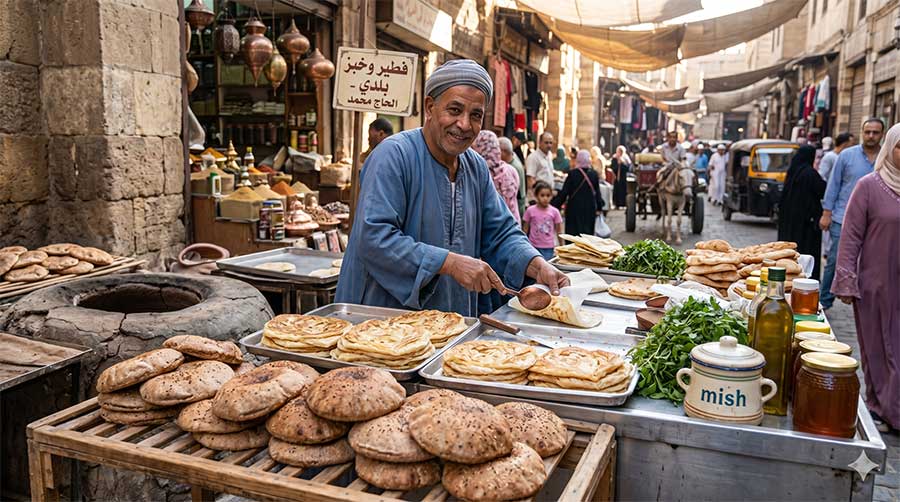
As a child, “going to the baker” was a sensory pilgrimage. You’d find the bakery tucked into a narrow limestone side street, usually identified by a soot-stained door and the heat radiating off the walls. Inside, the air was thick, not just with the smell of flour but with the damp, earthy scent of the tinsila (the mother starter) and the sharp tang of wood smoke.
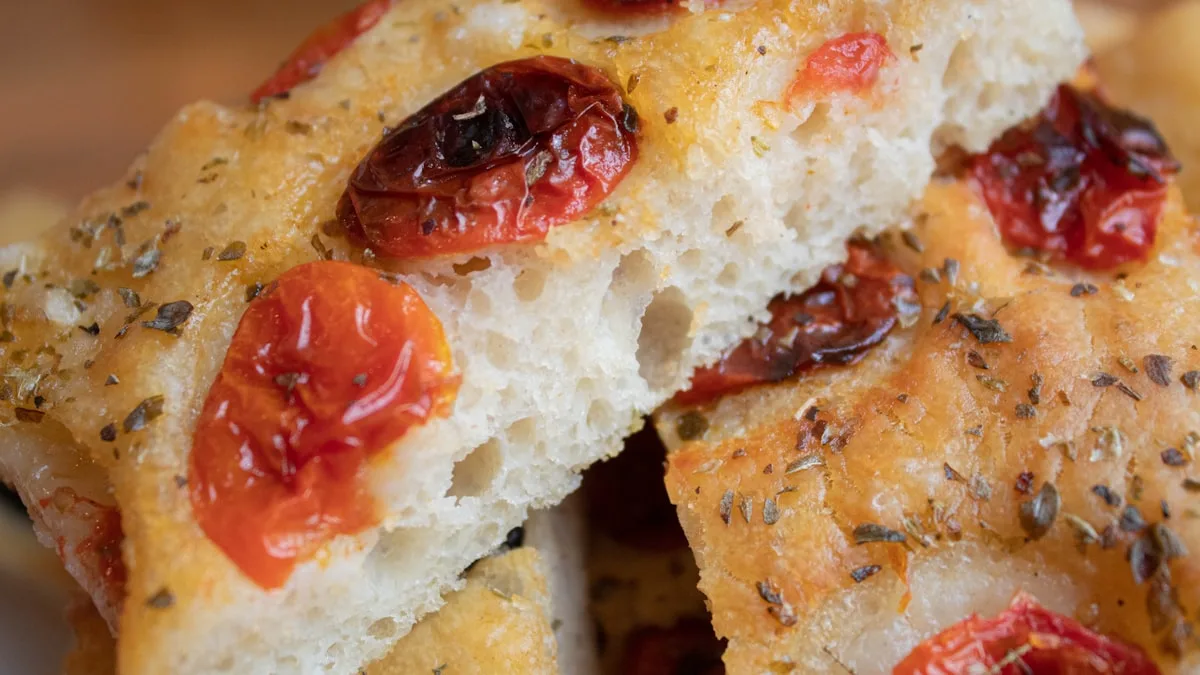
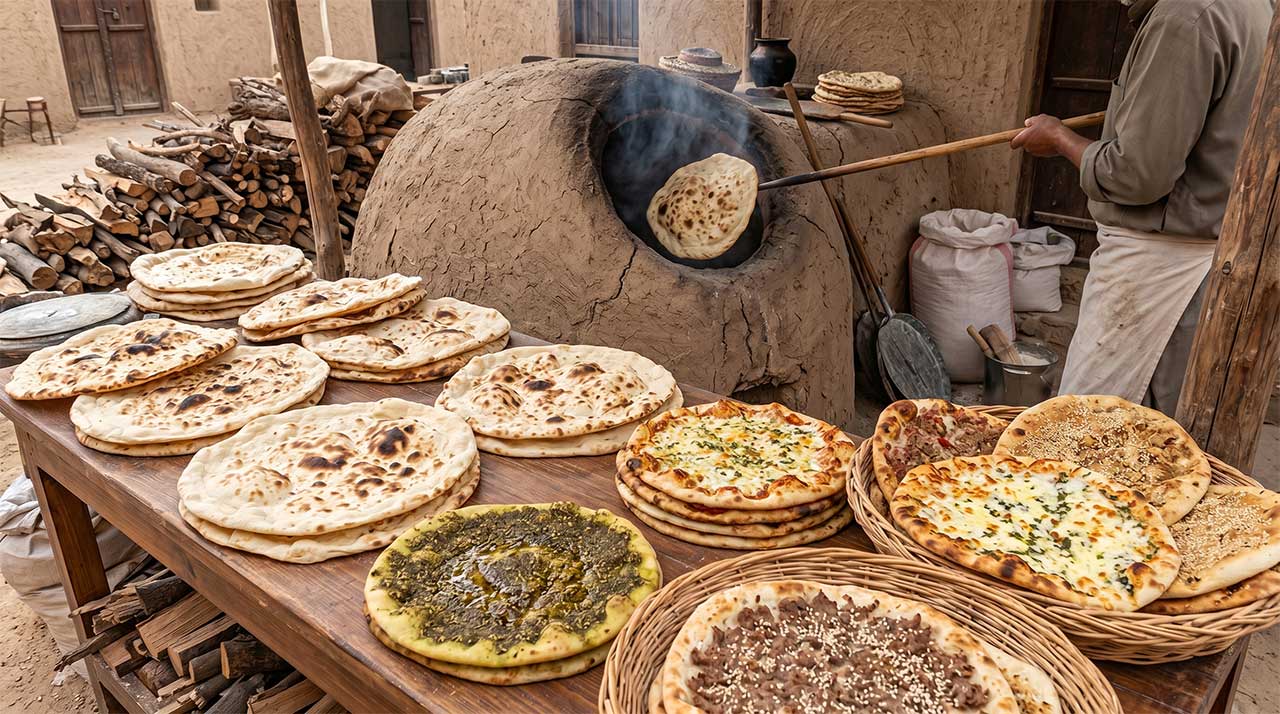
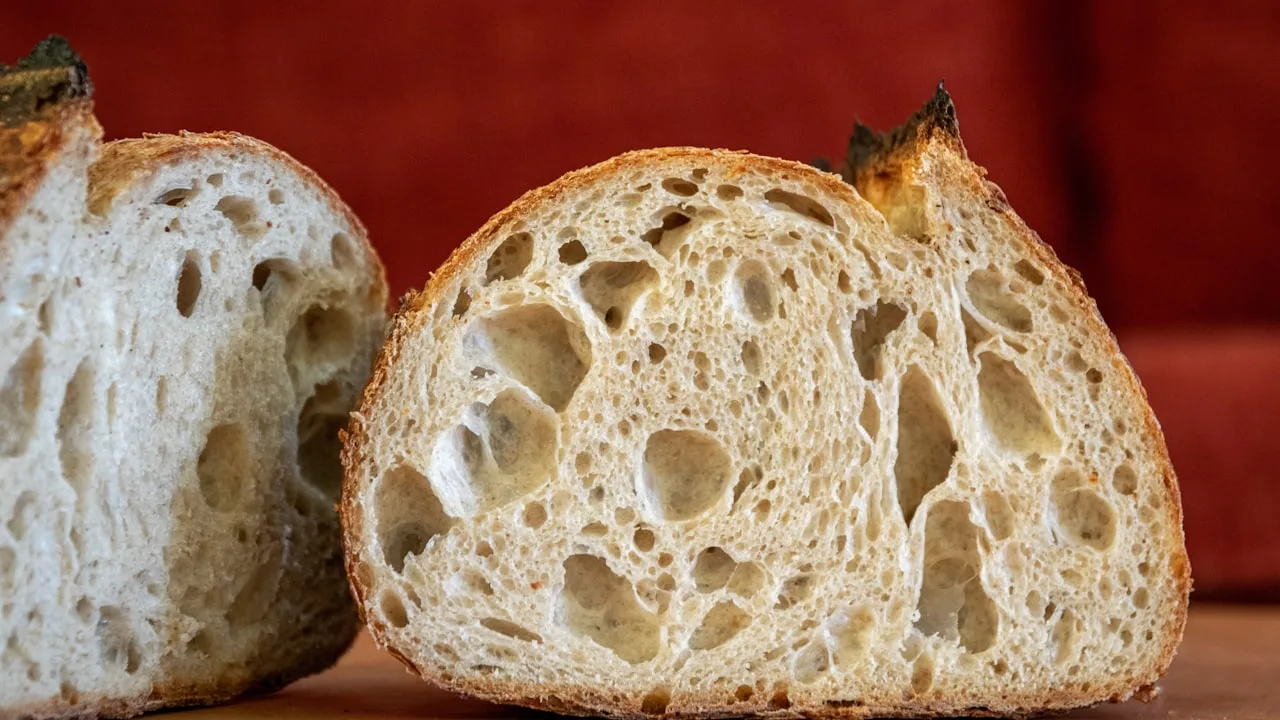
The baker, usually in a white singlet dusted with flour, would use a long wooden palett to pull the loaves from an oven that looked like a cavern to a young child’s eyes. When you tore that bread open, it was a revelation. It had “holes” you could lose yourself in—large, irregular pockets created by gases that had taken hours, not minutes, to expand. The crumb was greyish and chewy, and the flavour was so deep and complex that it didn’t even need butter. A simple heel of that bread, still warm and steaming, was a feast in itself.
Today, that “soul” is being traded for “speed”. To meet the demands of a “now” culture, many bakeries have abandoned the tinsila for commercial, cultivated yeast.
We’ve optimised the life out of our loaves. The sourdough tang is gone, replaced by a bland, sugary neutrality. The chewiness has turned into a cotton-like softness that disappears the moment it hits your tongue. We are losing the architecture of our bread, and in doing so, we are losing our connection to the land and the hands that feed us.
In the UK, there is a massive, organised movement called the Campaign for Real Bread. They fight against the use of chemical “processing aids” and the hidden additives in industrial loaves. They celebrate the artisan and protect the term “sourdough”.
Yet in Malta, where our bread is arguably our most iconic cultural symbol, we have… silence. We watch quietly as our traditional frangipanes (bakeries) close down or switch to pre-mixed industrial flours. Why aren’t we protecting our ħobża with the same ferocity that other nations protect their wine or cheese?
“We are rich in tradition but acting poor in spirit. The tinsila is a living thing; if we stop feeding it, a part of our history dies with it.”
We think we are saving money by choosing the cheaper, faster loaf, but what is the real cost?
We cannot blame the bakers entirely. I’d like to think they respond to us. If we demand “cheap and fast”, that’s what they will bake. But if we want our children to know the flavour of a real Malta, that specific, honest flavour that needed no accompaniment, we have to change our “dough”.
This week, I challenge you to do three things:
What do you think? Is it time we started our own “Campaign for Real Maltese Bread”? Would you join a movement to protect the traditional tinsila and the traditional forn, or is the convenience of the modern loaf too hard to give up?

At Med.kitchen, our passion lies in crafting exceptional culinary experiences through our online platform. We specialise in sharing a wealth of knowledge via articles, recipes, courses, and online mentoring, aiming to inspire both novice and seasoned chefs alike. Our focus has shifted from private dining to being an online source of gastronomic inspiration, allowing you to explore and refine your culinary skills from the comfort of your home..